Tea Tree Essential Oils: Complete Guide to Properties, Uses, and Benefits
1. INTRODUCTION: The Antiseptic Power of Tea Tree
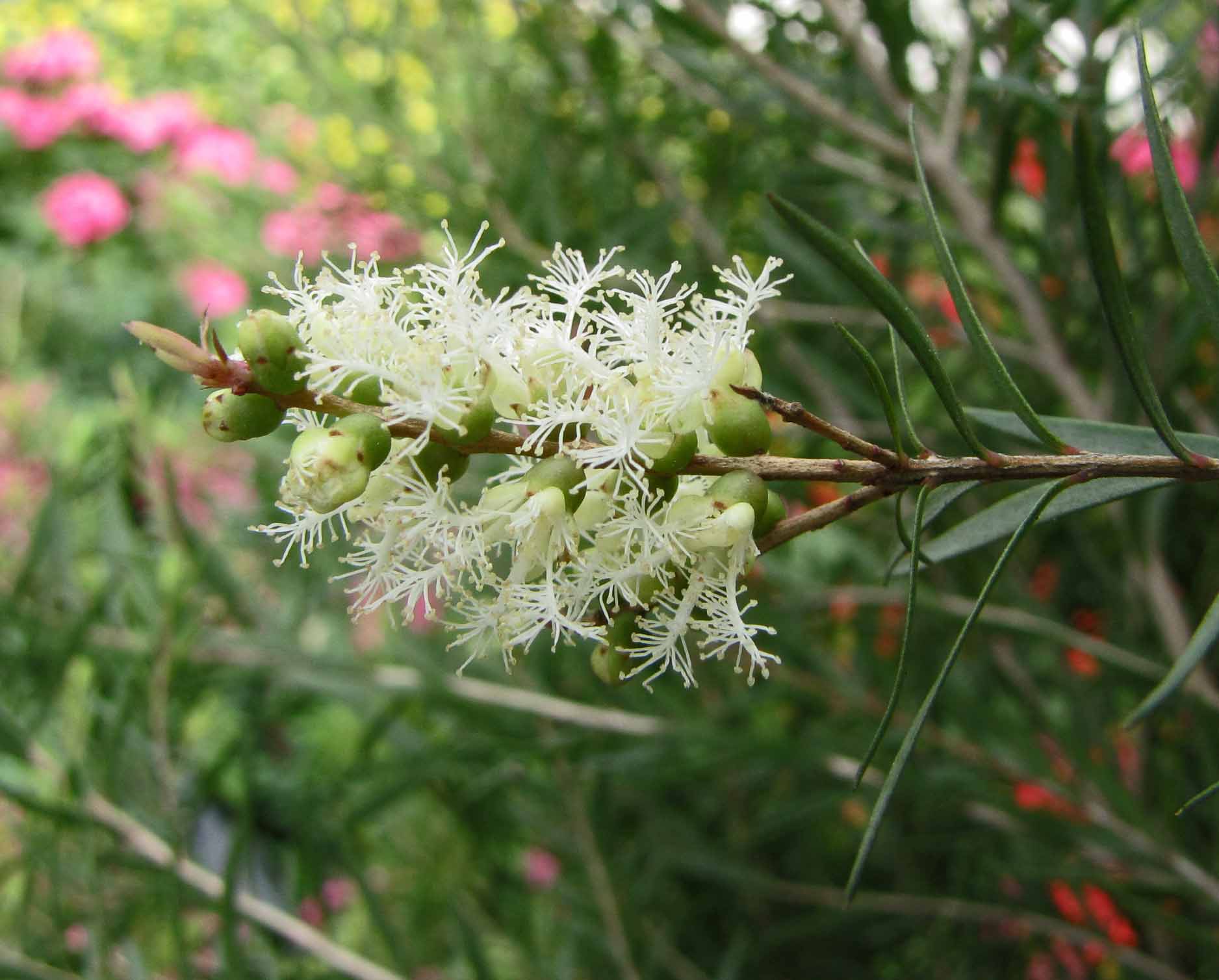
Tea Tree Essential Oil, derived from the Australian shrub Melaleuca alternifolia, is one of the most researched and valued essential oils in the world of aromatherapy and natural health. Its popularity is no coincidence; statistics and clinical experience support its effectiveness in a wide range of applications. Globally, tea tree oil is estimated to be one of the top three most consumed essential oils, surpassed only by Lavender and Lemon. In Spain and Latin America, "aceite esencial árbol de té" or "aceite tea tree" is a constant search term, reflecting the growing interest in natural solutions for everyday health and wellness issues.
Historically, Australian Aborigines have used crushed Melaleuca alternifolia leaves to treat wounds, burns, and skin infections for centuries. It was during World War II that its medicinal value was scientifically recognized, and it was included in Australian soldiers' first-aid kits as a powerful antiseptic and disinfectant. Today, its application extends from skin and hair care to household hygiene, consolidating its reputation as an indispensable ally.
2. SCIENTIFIC SECTION: Chemistry and Mechanisms of Action of Tea Tree
Tea Tree essential oil (Melaleuca alternifolia) is obtained by steam distillation of the plant's leaves and twigs. Its chemical profile is complex and contains over 100 compounds, with terpenes being the most important. The International Standard ISO 4730 establishes quality standards for Tea Tree oil, specifying a minimum content of terpinen-4-ol (the main active component, responsible for most of its properties) between 30% and 48%, and a maximum content of 1,8-cineole (a component that can be irritating in high concentrations) not exceeding 15%. Young Living oils meet or exceed these standards, ensuring maximum efficacy and safety.
Detailed Chemical Composition (Young Living example):
- Terpinen-4-ol: 30-48% (primary responsible for antimicrobial, antifungal, and anti-inflammatory activity). It acts by denaturing proteins and altering the permeability of microbial cell membranes.
- γ-Terpinene: 10-28% (contributes to antimicrobial activity).
- α-Terpinene: 5-13% (contributes to antimicrobial activity).
- 1,8-Cineole: <15% (eucalyptol, may have expectorant properties, but in high concentrations can be irritating to sensitive skin or mucous membranes).
- α-Pinene: 1-5% (antiseptic properties).
- Sabinene: Traces (antimicrobial properties).
Mechanisms of Action:
1. Antimicrobial Activity (Bactericidal and Bacteriostatic): Terpinen-4-ol has the ability to penetrate bacterial cell membranes, disrupting their integrity and function. This leads to cell lysis and inhibition of bacterial growth. It is effective against a wide spectrum of bacteria, including Staphylococcus aureus (including methicillin-resistant strains, MRSA), Propionibacterium acnes (the main bacterium involved in acne), and Escherichia coli.
2. Antifungal Activity: Especially through terpinen-4-ol, Tea Tree essential oil alters the synthesis of ergosterol, an essential component of the fungal cell membrane. This causes membrane disruption and inhibition of fungal growth such as Candida albicans, Trichophyton rubrum (responsible for athlete's foot and nail fungus), and Malassezia furfur (associated with seborrheic dermatitis).
3. Anti-inflammatory Activity: Terpinen-4-ol has been shown to attenuate the inflammatory response by inhibiting the production of pro-inflammatory mediators such as nitric oxide and cytokines. It has also been observed to modulate the activation of macrophages, key cells in the immune and inflammatory response.
4. Antipruritic Activity: By reducing inflammation and having a slightly local anesthetic effect, it can relieve itching associated with various skin conditions.
5. Antiviral Activity: Although less studied than its antimicrobial and antifungal properties, there is preliminary evidence that Tea Tree oil can inhibit the replication of certain viruses, including the herpes simplex virus (HSV-1) in vitro.
3. RECOMMENDED OILS: The Essence of Young Living
The 3 Must-Haves:
1. **Tea Tree - *Melaleuca alternifolia***:
- Main active component: Terpinen-4-ol (30-48%)
- Mechanism: Denatures proteins and alters cell membranes of bacteria and fungi, inhibits pro-inflammatory mediators.
- Key properties: Antimicrobial (bactericidal, bacteriostatic), antifungal, anti-inflammatory, healing.
- Benefits: Essential for acne, fungus, insect bites, minor wounds, disinfection.
2. **Lavender (*Lavandula angustifolia*)**:
- Main active component: Linalool, linalyl acetate.
- Mechanism: Central nervous system sedative, antispasmodic, anti-inflammatory.
- Key properties: Calming, anti-inflammatory, healing, mild analgesic.
- Benefits: Complements tea tree to soothe skin irritation, promotes tissue regeneration, reduces stress associated with conditions.
3. **Frankincense - *Boswellia carterii***:
- Main active component: α-Pinene, boswellic acid (in extracts, not in essential oil).
- Mechanism: Potent anti-inflammatory, modulates immune response.
- Key properties: Anti-inflammatory, immunomodulatory, cell regenerator, healing.
- Benefits: Ideal for promoting cellular health, reducing skin inflammation, improving the appearance of scars and marks.
Complementary (Young Living):
- Copaiba (Copaifera officinalis): Rich in β-caryophyllene, a selective CB2 receptor agonist, powerful anti-inflammatory and analgesic. Ideal for enhancing the anti-inflammatory effects of Tea Tree.
- Oregano (Origanum vulgare): Contains carvacrol and thymol, powerful antimicrobials. Use with extreme caution and dilution due to its dermocaustic nature. Only for very localized and specific applications in cases of resistant infections.
- Peppermint (Mentha x piperita): Menthol produces a cooling and analgesic effect. Useful for relieving itching or a burning sensation.
- Lemon (Citrus limon): D-Limonene, antiseptic, purifying, and mood-boosting properties. Useful in cleaning or for uplifting the mood.
4. OILS TO AVOID: Crucial Precautions
❌ Photosensitizing oils in sun-exposed areas if skin is irritated or compromised (e.g., severe acne or open wounds), such as Bergamot (especially bergapten-free), Lemon, Lime, Orange, Grapefruit. Although Tea Tree is not photosensitizing, Lemon is.
❌ Highly dermocaustic or irritating oils if not properly diluted or used on very sensitive or damaged skin, such as Oregano (Origanum vulgare), Thyme (Thymus vulgaris ct. thymol), Cinnamon (Cinnamomum zeylanicum). Although they may have powerful antimicrobial properties, their use should be extremely cautious and with very high dilution.
❌ Adulterated or low-quality oils: Adulteration is common in the essential oil market. Make sure to purchase Tea Tree from a reputable source like Young Living, which can ensure purity and compliance with ISO standards. A low-quality oil may not only be ineffective but also harmful.
5. PRACTICAL RECIPES WITH TEA TREE ESSENTIAL OIL
Here are 4 ultra-detailed recipes for various applications of Tea Tree Essential Oil, focusing on maximum efficacy and safety.
---
**Recipe 1: Concentrated Anti-Acne and Blackhead Serum**
This potent serum focuses on treating bacteria and reducing inflammation, promoting healing without scarring.
Ingredients (for a 10 ml roller bottle):
- Tea Tree Essential Oil (Melaleuca alternifolia): 10 drops
- Lavender Essential Oil (Lavandula angustifolia): 5 drops
- Frankincense Essential Oil (Boswellia carterii): 3 drops
- Jojoba Oil (carrier): 9 ml (approximately 180 drops)
- 10 ml amber glass roll-on bottle
Preparation Instructions:
1. Remove the roller ball from the bottle.
2. Add the drops of Tea Tree, Lavender, and Frankincense directly to the bottle.
3. Fill the rest of the bottle with Jojoba oil up to the neck.
4. Replace the roller ball and cap it tightly.
5. Shake gently before each use to ensure mixing.
Detailed Application Instructions:
- Frequency: 2 times a day (morning and night).
- Method: After cleansing and toning the skin, apply a small amount of the serum directly to pimples or blackheads (not over the entire face if you have sensitive skin). Roll gently 1-2 times to cover the affected area. No need to rub vigorously.
- Duration: Use consistently until the lesion diminishes or disappears. For prevention, apply 3 times a week to prone areas.
- Dilution: Approximately 9% pure essential oils, suitable for targeted application on problematic areas where a higher concentration is needed. For very sensitive skin, reduce to 5-7 drops of Tea Tree.
---
**Recipe 2: Intensive Anti-Fungal Nail Treatment (Onychomycosis)**
This treatment directly targets the fungus, strengthening the nail and promoting healthy growth.
Ingredients (for a 15 ml dropper bottle):
- Tea Tree Essential Oil (Melaleuca alternifolia): 30 drops
- Oregano Essential Oil (Origanum vulgare) or Copaiba (Copaifera officinalis) (optional for severe cases, use with caution): 5 drops (if Oregano is used, reduce to 2-3 drops)
- Lemongrass Essential Oil (Cymbopogon flexuosus) (optional, to enhance action): 5 drops
- Neem Oil (or Jojoba if Neem is hard to find): 14 ml (approximately 280 drops)
- 15 ml amber glass dropper bottle
Preparation Instructions:
1. Add the drops of Tea Tree, Oregano/Copaiba, and Lemongrass to the dropper bottle.
2. Fill the rest of the bottle with Neem or Jojoba oil.
3. Close and shake well before each use.
Detailed Application Instructions:
- Frequency: 2-3 times a day.
- Method:
1. Wash and thoroughly dry the affected area (nail and surrounding skin).
2. Using a dropper, apply 1-2 drops of the treatment directly onto the affected nail and around the cuticle.
3. Gently massage with a finger to ensure absorption. If possible, gently scrape the top of the nail with a nail file before applying to allow better penetration (use a disposable file or disinfect it thoroughly).
- Duration: Fungi are persistent. This treatment should be applied consistently for at least 3-6 months, or until the new nail has completely replaced the infected nail. Consistency is key.
- Dilution: Approximately 17-20% pure essential oils. This high concentration is necessary to treat persistent fungal infections, but should only be used on nails and surrounding skin. Perform a patch test first.
---
**Recipe 3: Purifying Spray for Oily/Dandruff Scalp and Hair**
This spray helps control oiliness, dandruff, and maintains a healthy scalp, thanks to the antifungal and astringent properties of Tea Tree.
Ingredients (for a 60 ml spray bottle):
- Tea Tree Essential Oil (Melaleuca alternifolia): 20 drops
- Rosemary Essential Oil (Rosmarinus officinalis) (cineole chemotype): 10 drops (hair stimulant)
- Cedarwood Essential Oil (Cedrus atlantica): 10 drops (oil and dandruff reducer)
- Witch Hazel (distilled water of Hamamelis virginiana): 30 ml
- Distilled Water or Lavender Hydrosol: 28 ml
- Vegetable Glycerin (optional, for binding): 2 ml (approx. 40 drops)
- 60 ml amber glass spray bottle
Preparation Instructions:
1. In the spray bottle, add the vegetable glycerin (if used).
2. Then add the drops of Tea Tree, Rosemary, and Cedarwood.
3. Fill with Witch Hazel and distilled water/hydrosol.
4. Close and shake vigorously before each use.
Detailed Application Instructions:
- Frequency: Whenever hair feels oily or when dandruff is experienced, preferably after washing or between washes.
- Method:
1. Shake the spray well.
2. Separate hair into sections and spray directly onto the scalp, about 3-5 sprays.
3. Gently massage with fingertips to distribute the product. Do not rinse.
4. Can be used on damp or dry hair.
- Duration: Use regularly to maintain scalp balance.
- Dilution: Approximately 8% essential oils, diluted in a water and Witch Hazel base.
---
**Recipe 4: Refreshing and Soothing Post-Bite Gel**
This gel relieves itching, reduces inflammation, and prevents secondary infections from insect bites.
Ingredients (for a 30 ml dispenser bottle):
- Tea Tree Essential Oil (Melaleuca alternifolia): 12 drops
- Lavender Essential Oil (Lavandula angustifolia): 8 drops
- Peppermint Essential Oil (Mentha x piperita): 4 drops
- Aloe Vera Gel (pure, alcohol and fragrance-free): 30 ml
- 30 ml dispenser bottle
Preparation Instructions:
1. In a small, clean container, add the Aloe Vera gel.
2. Incorporate the drops of Tea Tree, Lavender, and Peppermint.
3. Mix well with a spatula or small spoon until the oils are completely integrated into the gel.
4. Transfer the mixture to the dispenser bottle.
Detailed Application Instructions:
- Frequency: Apply as often as needed to relieve itching, 3-4 times a day or more if necessary.
- Method:
1. Gently clean the bite area.
2. Apply a small amount of the gel directly to the bite.
3. Allow it to absorb. Do not rub vigorously.
- Duration: Continue applying until irritation and itching disappear.
- Dilution: Approximately 2.4% essential oils. Suitable for frequent application on small, sensitive areas.
---
6. PHASED PROTOCOL FOR SKIN CARE WITH TEA TREE
This protocol is designed to progressively address skin conditions such as acne, minor wounds, or irritations, using Tea Tree Essential Oil.
Phase 1: Acute Crisis (Inflammation, Active Breakouts, Severe Irritation)
- Objective: Reduce inflammation, eliminate pathogens, and soothe the skin.
- Duration: 3-7 days, depending on severity.
- Products/Oils:
- Tea Tree (Melaleuca alternifolia): Apply topically. For acne: use the "Concentrated Anti-Acne Serum" (Recipe 1) 2 times a day. For bites/irritations: use the "Refreshing and Soothing Post-Bite Gel" (Recipe 4) every 2-3 hours.
- Lavender (Lavandula angustifolia): To reduce redness and promote healing. You can add 1-2 drops of Lavender directly to your usual moisturizer, or in a roll-on with a 2-3% carrier oil for larger areas.
- Copaiba (Copaifera officinalis): Powerful anti-inflammatory. 1 drop of Copaiba diluted in 5 drops of carrier oil and apply to the inflamed area 2-3 times a day.
- Key instructions: Keep skin clean, avoid touching lesions. Drink plenty of water. Anti-inflammatory diet.
Phase 2: Subacute Phase (Symptom Reduction, Healing)
- Objective: Continue pathogen elimination, promote cell regeneration, and minimize scars.
- Duration: 2-4 weeks.
- Products/Oils:
- Tea Tree (Melaleuca alternifolia): Maintain the "Concentrated Anti-Acne Serum" (Recipe 1) once a day (preferably at night). For other irritations, space out the application of the "Refreshing and Soothing Post-Bite Gel" to 2 times a day.
- Frankincense (Boswellia carterii): For cell regeneration and to reduce the appearance of marks or scars. 1 drop of Frankincense diluted in 5 drops of carrier oil, apply at night to the affected areas, alternating with the Tea Tree Serum.
- Lavender (Lavandula angustifolia): Integrate into your night routine (2 drops in your cream) to soothe and regenerate.
- Key instructions: Gentle exfoliation (maximum 1-2 times a week), sun protection. Balanced diet with vitamins and minerals.
Phase 3: Prevention and Maintenance (Long-Term Skin Health)
- Objective: Prevent future breakouts, maintain healthy and balanced skin.
- Duration: Continuous.
- Products/Oils:
- Tea Tree (Melaleuca alternifolia): Integrate Tea Tree into your weekly facial cleansing or toner. 0.5-1% dilution. E.g., 2-3 drops in your natural facial cleanser once a day, or 5 drops in 30ml of hydrosol for a toner.
- Purifying Hair Spray (Recipe 3): If there are dandruff or oily hair issues, use 2-3 times a week for maintenance.
- Essential oils for nail fungus (Recipe 2): If onychomycosis was the condition, continue applying to ensure no recurrence for at least 1 more month after the nail appears healthy. Then, reduce to 3 times a week.
- Moisturizing Routine: Continue with Frankincense or Lavender diluted in your moisturizer, 2-3 times a week, to promote healthy and resilient skin.
- Key instructions: Strict hygiene, healthy diet, stress control, regular exercise.
7. DAILY CARE ROUTINE WITH TEA TREE (ACNE/OILY SKIN EXAMPLE)
| Step | Morning | Night | Products | Frequency |
| :--- | :----- | :---- | :-------- | :--------- |
| Facial Cleansing | Yes | Yes | Gentle facial cleanser with 1 drop of Tea Tree (pre-diluted in a base). | Daily |
| Toner/Hydrosol | Yes | Yes | Lavender or Witch Hazel hydrosol. Optional: 3 drops of Tea Tree in 30 ml of hydrosol. | Daily |
| Spot Treatment | Yes (or only affected areas) | Yes | Anti-Acne Serum (Recipe 1) directly on pimples/blemishes. | Daily |
| Moisturizing | Yes | Yes | Light moisturizing cream. Optional: add 1 drop of Frankincense or Lavender. | Daily |
| Weekly Mask | No | 1-2 times/week | Clay mask with 1 drop of diluted Tea Tree. | Weekly |
| Hair Care | No | No | Purifying Hair Spray (Recipe 3) if there is dandruff/oiliness. | 2-3 times/week |
| Other Applications | As needed | As needed | Refreshing Post-Bite Gel (Recipe 4) for irritations. | As needed |
8. ADDITIONAL TIPS TO MAXIMIZE TEA TREE BENEFITS
- Patch Test: Before using any recipe on a large area, apply a small amount to a discreet area of the skin (e.g., on the inner forearm) and wait 24 hours to check for any allergic reaction or irritation.
- Quality is Key: Only use 100% pure, therapeutic-grade essential oils. Adulterated or low-quality oils may not only be ineffective but also harmful. Young Living can ensure purity "Seed to Seal".
- Correct Dilution: Tea Tree is relatively safe, but follow recommended dilution guidelines. For sensitive skin (children, elderly, reactive skin), dilution should be lower (0.5-1%). For adults, 2-3% is a standard dilution for regular topical use, while for spot treatments (acne, fungus) it can be increased to 10-20% under supervision and caution. Always consult Tisserand guidelines.
- Proper Storage: Store essential oils in dark glass bottles, in a cool, dark place, away from direct light and heat to preserve their potency.
- Consistency: Results with essential oils are not always immediate. Consistent application and following the protocol are essential to observe improvements.
- Complement, not Substitute: Essential oils are powerful tools for wellness, but should not replace professional medical advice, especially in cases of serious or persistent health conditions.
9. DISCLAIMER: Your Health is Our Priority
Warning Signs to Consult a Doctor:
Although Tea Tree Essential Oil offers significant benefits, it is crucial to recognize when medical intervention is necessary. Consult a healthcare professional if you experience:
- Deep or spreading infections.
- Fever, chills, or general malaise, which may indicate a systemic infection.
- Severe pain or pain that does not improve with treatment.
- Severe allergic reactions (facial swelling, difficulty breathing, extensive skin rashes).
- Chronic conditions that do not respond to essential oil treatment.
- If you are pregnant, breastfeeding, or under medical treatment, consult your doctor before using essential oils.
Important Disclaimer:
This article and its contents are for informational and educational purposes only. We do not intend to diagnose, treat, support/contribute to, or prevent any disease. The U.S. Food and Drug Administration (FDA) does not evaluate these statements. Always consult with a qualified healthcare professional before starting any new wellness regimen or if you have questions about a medical condition.
10. HASHTAGS
#TeaTreeEssentialOil #TeaTreeUses #TeaTreeProperties #YoungLiving #MelaleucaAlternifolia #ScientificAromatherapy #NaturalHealth #EssentialOilsSkin #NaturalAntiAcne #NailFungusNatural