Ginger Essential Oil
Brand: Young Living · SKU: aceite-esencial-ginger
38 €


Key points
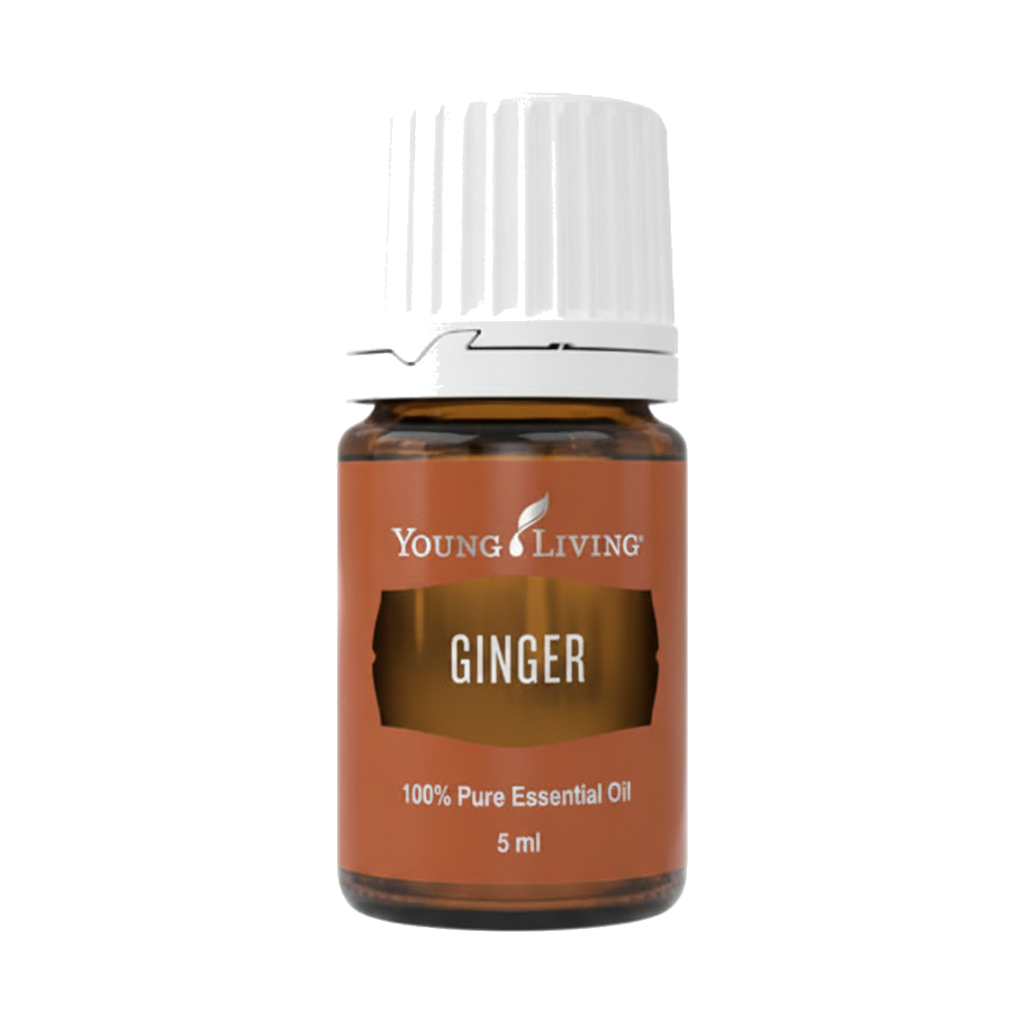
- Aceite esencial de Jengibre Young Living, extraído del rizoma de Zingiber officinale.
- Aroma cálido, especiado y ligeramente dulce, ideal para crear un ambiente acogedor.
- Puede usarse aromáticamente para una experiencia olfativa estimulante y reconfortante.
- Perfecto para incorporarlo en masajes diluido con un aceite portador.
- Formato puro, compatible con difusores y aplicaciones tópicas adecuadas.
Description
Botanical Origin and Extraction
Young Living's Ginger (Zingiber officinale) essential oil is obtained through steam distillation of the rhizome, or underground root, of the ginger plant. Originally from Southeast Asia, this spice has been valued for centuries in various Eastern cultures for its multiple properties. Ginger is a perennial plant that thrives in warm, humid climates, being cultivated in tropical regions worldwide. The choice of fresh rhizome for extraction ensures the preservation of its complex chemical profile and its characteristic aroma.
Principal Chemical Composition
The richness of Ginger essential oil lies in its intricate chemical composition, responsible for its aromatic properties and potential benefits. Some of its key components include:
- Zingiberene: A sesquiterpene that contributes to ginger's characteristic aroma and is one of its most abundant constituents.
- Beta-bisabolene: Another sesquiterpene with sweet and balsamic aromatic notes.
- Ar-curcumene: An aromatic component that shares structural similarities with the curcuminoids present in turmeric.
- Gingerols and shogaols: Although present in higher concentrations in the fresh rhizome, these compounds are primarily responsible for ginger's pungent taste and are also found in trace amounts in the essential oil, contributing to its olfactory profile and warm sensations.
This combination of sesquiterpene hydrocarbons and other volatiles gives ginger oil a unique aromatic complexity, as well as versatility that makes it valuable in aromatherapy and topical applications.
Aromatic Profile
Ginger essential oil has a singularly warm, spicy, sweet, and slightly woody aroma, with a subtle citrusy nuance. Its fragrance evokes comforting and stimulating sensations at the same time. It is an aroma that, due to its warmth, tends to be highly appreciated in the cold season or during moments of comfort. It is considered a middle-to-base note in natural perfumery, providing depth and persistence to aromatic blends.
Uses in Aromatherapy
In the field of aromatherapy, Ginger essential oil is valued for its ability to positively influence mood and overall well-being:
- Comforting properties: Its warm aroma may help create an atmosphere of well-being and emotional support.
- Sensory stimulation: The spicy and revitalizing fragrance may help awaken the senses and promote a feeling of clarity.
- Calming environment: Used in diffusion, it may contribute to an environment that promotes relaxation and balance.
- Digestive support (aromatic/topical use): Although ingestion is not recommended, diluted topical application to the abdomen or inhalation of its aroma are popular practices to support feelings of digestive comfort, complementing wellness regimens.
How to Use
Young Living Ginger Essential Oil can be enjoyed in various ways to integrate its aromatic benefits into your daily routine:
- Diffusion: Add 3-5 drops to your essential oil diffuser to create a warm and stimulating atmosphere in your home or office. It can be combined with citrus or wood oils for a more complex blend.
- Topical application: Dilute 1-2 drops of Ginger oil in 5 ml of a carrier oil, such as Young Living's V-6™ Vegetable Oil Complex, fractionated coconut oil, or almond oil. Gently apply to the skin in the desired area, such as the abdomen, wrists, temples, or the bottoms of the feet. Always perform a patch test on a small area of the skin before general application.
- Massage: Prepare a relaxing massage oil by adding a few drops of Ginger oil to a carrier oil. Use it to massage areas of tension or after physical activity.
- Direct inhalation: Place one drop in the palm of your hand, rub it, and cup your hands over your nose and mouth, inhaling deeply. You can also inhale directly from the bottle.
Synergies
Ginger blends harmoniously with a wide range of essential oils, creating complex and pleasant aromatic mixtures. Some recommended synergies include:
- Citrus: Orange, Lemon, Bergamot for a fresh and revitalizing aroma.
- Spicy: Cinnamon, Clove, Cardamom to enhance its warmth and create wintry blends.
- Woody: Sandalwood, Cedarwood, Frankincense to add depth and an earthy touch.
- Light florals: Although less common, a drop of Ylang Ylang or Geranium can soften and enrich the blend.
- Peppermint: For a fresh and stimulating sensation, ideal for travel.
Precautions
- Skin sensitivity: Ginger essential oil may cause sensitivity in some individuals. It is recommended to perform a patch test before topical use on a large area of the skin. Always dilute with a carrier oil.
- Pregnancy and lactation: If you are pregnant, breastfeeding, or under medical supervision, consult your healthcare professional before using any essential oil.
- Children: Keep out of reach of children. Greater dilution is recommended when using on young children.
- Avoid contact: Avoid contact with eyes, inner ears, and sensitive areas.
- Photosensitivity: Ginger is not generally photosensitive, but it is always advisable to avoid direct sun exposure immediately after applying essential oils to the skin.
- Storage: Store in a cool, dark place, away from direct sunlight and heat sources, to preserve its integrity and efficacy.
Frequently Asked Questions
How can I safely use Ginger oil topically?
For safe topical use, it is essential to dilute Ginger essential oil. A dilution of 1-2 drops of Ginger per 5 ml of a quality carrier oil, such as coconut, jojoba, or almond vegetable oils, is recommended. Apply this mixture to the desired area. Always perform a patch test on a small skin area before full application to check for any sensitivity.
What other essential oils does Ginger blend well with in a diffuser?
The warm, spicy aroma of Ginger blends very well with citrus oils like Lemon or Orange for a refreshing touch, with spicy oils like Cinnamon or Clove for a more intense blend, and with woody oils like Sandalwood or Cedarwood to add depth and anchoring. It can also be combined with Peppermint for invigorating sensations.
Is Ginger oil photosensitive?
Unlike some citrus oils, Ginger essential oil is generally not considered photosensitive, meaning it does not increase skin sensitivity to the sun. However, as good safety practice, it is always advisable to avoid prolonged sun exposure right after applying any pure essential oil to the skin.
Can Ginger oil be used in cooking?
Young Living offers a specific line of Plus essential oils, formulated and labeled for culinary use and safe for ingestion. Standard Ginger essential oil is recommended exclusively for aromatic and topical use. For culinary use, be sure to use Ginger oil from the Plus line, always following the manufacturer's specific instructions for dosage and safe use.
These statements have not been evaluated by the FDA. This product is not intended to diagnose, treat, cure, or prevent any disease. Consult with a healthcare professional before using essential oils if you are pregnant, breastfeeding, or have a medical condition.
Key benefits
- Warm, spicy, energizing aroma
- Creates a comforting atmosphere
- Promotes emotional balance
- Adds exotic, spicy touch
- Calms and comforts skin
- Supports mental clarity
Ingredients and composition
- Aceite esencial de rizoma de Zingiber officinale (Jengibre)
How to use
<strong>Diffusion:</strong> Add 3-5 drops to your diffuser for a warm, stimulating atmosphere.
<strong>Topical application:</strong> Dilute 1-2 drops in 5 ml of carrier oil and massage into the desired area.
<strong>Massage:</strong> Mix with a carrier oil for a relaxing, comforting massage.
<strong>Direct inhalation:</strong> Inhale directly from the bottle or from cupped hands for an aromatic boost.