Hyssop Decumbens Organic Essential Oil
Brand: Oshadhi · SKU: oshadhi-aceite-esencial-de-hisopo-decumbens
19.86 €
Disponible en España a través de la tienda oficial de la marca. (ES · EU)
Description
Botanical Origin and Purity
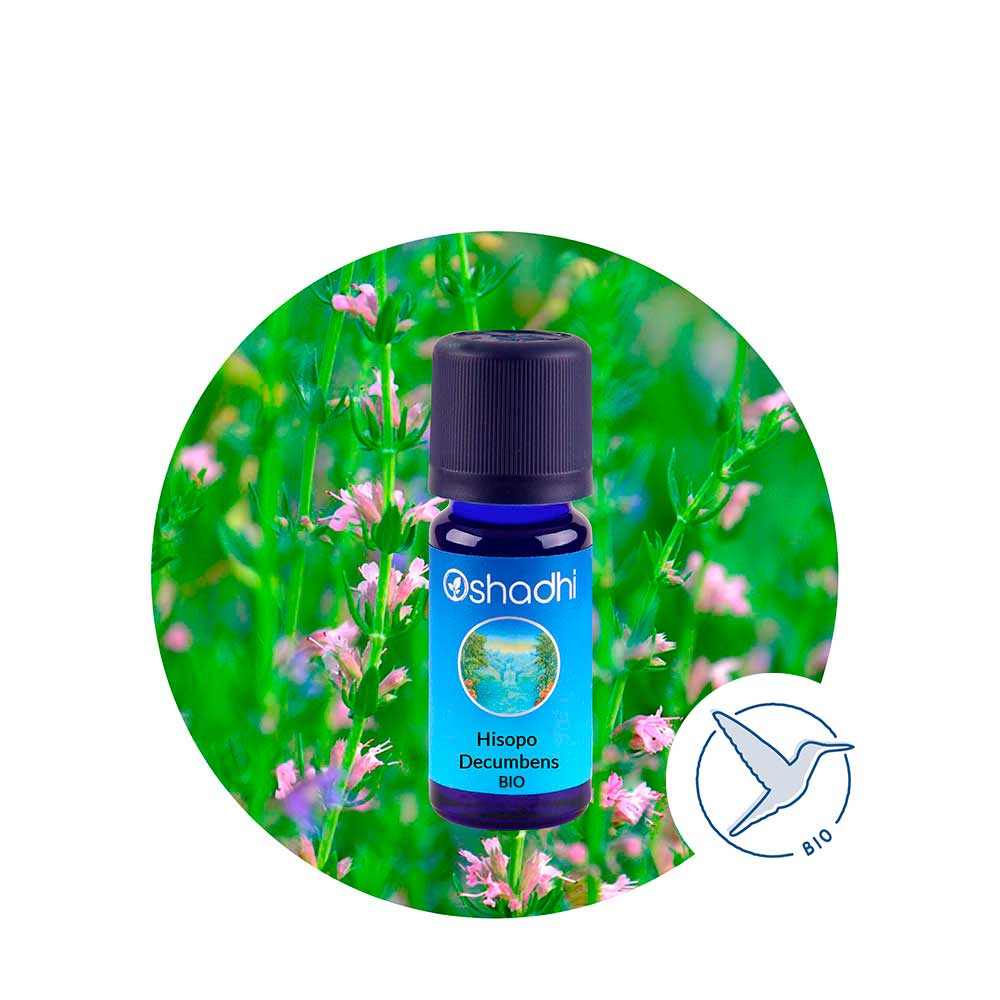
Oshadhi's Hyssop Decumbens Organic Essential Oil is obtained from the careful distillation of the Hyssopus officinalis var. decumbens plant, wild-harvested in Spain. This variety of hyssop is known for its particular chemical profile and distinctive aroma. Wild harvesting ensures that the plants grow in their natural habitat, without intensive human intervention, which may contribute to a robust botanical composition. BIO certification guarantees that the cultivation and extraction process complies with strict ecological standards, eliminating the use of synthetic pesticides and chemical fertilizers, which contributes to the purity of the essential oil.
Low-pressure steam distillation is an extraction method that seeks to preserve the integrity of the plant's volatile components. By maintaining a moderate temperature and a slow process, the aim is to avoid the degradation of heat-sensitive compounds, which is crucial for the oil's aromatic quality and potential efficacy. This attention to detail in the distillation process is a hallmark of Oshadhi products, which strive to offer essential oils with a complete and genuine chemical profile.
Main Chemical Composition
The biochemical profile of Hyssop Decumbens essential oil distinguishes it from other hyssop varieties. While traditional hyssop (Hyssopus officinalis) may contain ketones like pinocamphone, which requires greater caution, the Decumbens variety is characterized by a lower concentration of these ketones, making it generally milder.
Its main chemical components include:
- Oxides (especially 1,8-cineole): Contribute to its respiratory and expectorant properties.
- Monoterpenes (such as α-pinene and β-pinene): Provide fresh notes and may have an impact on overall well-being.
- Monoterpenols (such as linalool and terpineol): Generally known for their calming qualities and floral aroma.
This balance of components gives Hyssop Decumbens oil a versatile aromatherapeutic profile, appreciated by those seeking specific properties without the intensity of ketones present in other hyssop varieties. Variability in composition may also depend on factors such as climate, soil, and harvest time.
Aromatic Profile
Hyssop Decumbens Essential Oil presents a characteristic aroma that makes it distinctive within the Lamiaceae family. Its fragrance is generally described as:
- Fresh and Herbal: With green and lively notes reminiscent of a Mediterranean field.
- Slightly Camphorous: A subtly medicinal and stimulating quality, but without being overwhelming.
- Pure and Clean: An aroma that may evoke feelings of clarity and revitalization.
This aromatic profile makes it an interesting candidate for diffusions that seek to purify the environment or create an atmosphere of concentration and well-being. It blends well with other herbal, citrus, and woody essential oils, allowing for the creation of complex and balanced aromatic synergies.
Potential Uses in Aromatherapy
In the field of aromatherapy, Hyssop Decumbens Essential Oil is valued for its potential to support various aspects of well-being. It is important to remember that the use of essential oils should be informed and prudent.
- Respiratory Support: Due to the presence of 1,8-cineole, it is often considered in blends for diffusion or vaporized inhalation that may promote clear breathing.
- Mental Clarity and Concentration: Its fresh and stimulating aroma may be useful in work or study environments to help foster concentration and gentle alertness.
- Environmental Purification: Its cleansing character makes it suitable for diffusion in spaces with the aim of purifying the air.
- General Well-being: Some practitioners use it in massages, diluted in a carrier oil, seeking a sense of comfort or revitalization.
Its application always requires adequate dilution and a basic understanding of the properties of essential oils to maximize their benefits and minimize potential risks.
How to Use
To take advantage of the qualities of Hyssop Decumbens Organic Essential Oil, several application methods are recommended, always with caution and following aromatherapy safety guidelines:
- Aromatic Diffusion: Add 3-5 drops to an essential oil diffuser to purify the environment and support respiratory clarity. Use at intervals of 30-60 minutes.
- Direct Inhalation: Place 1-2 drops on a cloth tissue and gently inhale, or apply to a personal inhaler.
- Topical Massage: Dilute 1-2 drops of essential oil in one teaspoon (approximately 5 ml) of a carrier oil, such as jojoba oil, sweet almond oil, or fractionated coconut oil. Gently apply to the desired area.
- Aromatic Bath: Mix 5-10 drops with a dispersant (such as Epsom salts or unscented shower gel) before adding to warm bath water for a relaxing experience.
It is essential to perform a patch test on a small area of the skin before extensive topical application to rule out hypersensitivity.
Recommended Synergies
The aromatic profile and potential properties of Hyssop Decumbens Organic make it compatible with a variety of other essential oils. Some recommended synergies include:
- For respiratory support: Eucalyptus Radiata, Ravintsara, or Balsam Fir. These oils may complement the properties of hyssop, creating a blend with a fresh and penetrating aroma.
- For mental clarity: Lemon, Rosemary Cineole, or Peppermint. Combining with citrus or stimulating oils may enhance a sense of focus and energy.
- For environmental purification: Tea Tree, Scotch Pine, or Lavender. These oils provide clean notes and may contribute to a fresh and inviting environment.
- For a balanced herbaceous aroma: Marjoram, Oregano, or Thyme. These oils may create a more robust and complex garden blend.
When creating synergies, it is recommended to start with a few drops of each oil and adjust the proportion according to personal preference and the desired objective.
Precautions
Although Hyssop Decumbens Essential Oil is considered milder than other hyssop varieties, its use should always be prudent:
- Do not apply directly to the skin without dilution. Always perform a skin patch test.
- Avoid contact with eyes and mucous membranes. In case of contact, rinse with plenty of vegetable oil (not water) and seek medical attention.
- Do not ingest. This oil is for external and aromatic use exclusively.
- Keep out of reach of children and pets. Store in a cool, dark place, away from heat sources and direct light.
- Consult a healthcare professional before use if you are pregnant, breastfeeding, or have any pre-existing medical conditions, especially seizure disorders or high blood pressure.
- The decumbens variety is known for its lower ketone content, which generally makes it safer, but moderation and caution are still advised.
Following these precautions helps ensure a safe and beneficial experience with essential oils.
Frequently Asked Questions
What is the difference between Hyssop Decumbens and other Hyssop varieties?
The main difference lies in their chemical composition. Hyssop Decumbens (Hyssopus officinalis var. decumbens) tends to have a lower content of ketones like pinocamphone and isopinocamphone compared to standard Hyssop (Hyssopus officinalis). This generally makes it milder and with a broader usage profile in aromatherapy, especially for individuals with sensitivities or specific conditions that might contraindicate varieties with high ketone content.
Is it safe to use this oil during pregnancy or breastfeeding?
It is strongly recommended to consult with a qualified healthcare professional or a certified aromatherapist before using any essential oil, including Hyssop Decumbens, during pregnancy or breastfeeding. Although this variety is milder, caution is essential due to sensitivity during these stages.
How can I tell if this oil is BIO quality?
A BIO certified oil guarantees that the plant has been grown without pesticides or chemical fertilizers, and that the extraction process complies with organic farming standards. In Oshadhi's case, the BIO label ensures compliance with these regulations, providing a product of high purity and respect for the environment.
Can it be applied directly to the skin?
No, Hyssop Decumbens Essential Oil, like most pure essential oils, should not be applied directly to the skin without dilution. It should always be mixed with a carrier oil, such as jojoba oil, sweet almond oil, or fractionated coconut oil, before topical application to avoid possible skin irritations or sensitizations.
These statements have not been evaluated by the FDA. This product is not intended to diagnose, treat, cure, or prevent any disease. Consult with a healthcare professional before using essential oils if you are pregnant, breastfeeding, or have any medical condition.
Key benefits
- Fresh, herbal aroma
- May support mental clarity
- Potential respiratory comfort
- Milder hyssop option
- Certified organic purity
Ingredients and composition
- Hyssopus officinalis var. decumbens (aceite esencial orgánico)
How to use
<strong>Diffusion</strong>: Add 3-5 drops to your diffuser to purify the environment.
<strong>Direct inhalation</strong>: Place 1-2 drops on a tissue and inhale gently.
<strong>Topical massage</strong>: Dilute 1-2 drops in 5ml of carrier oil and apply to the skin.
<strong>Aromatic bath</strong>: Mix 5-10 drops with a dispersant and add to bath water.