Saro (Mandravasarotra) Essential Oil
Brand: Oshadhi · SKU: oshadhi-aceite-esencial-de-saro-mandravasarotra
126,95 €
Disponible en España a través de la tienda oficial de la marca. (ES · EU)
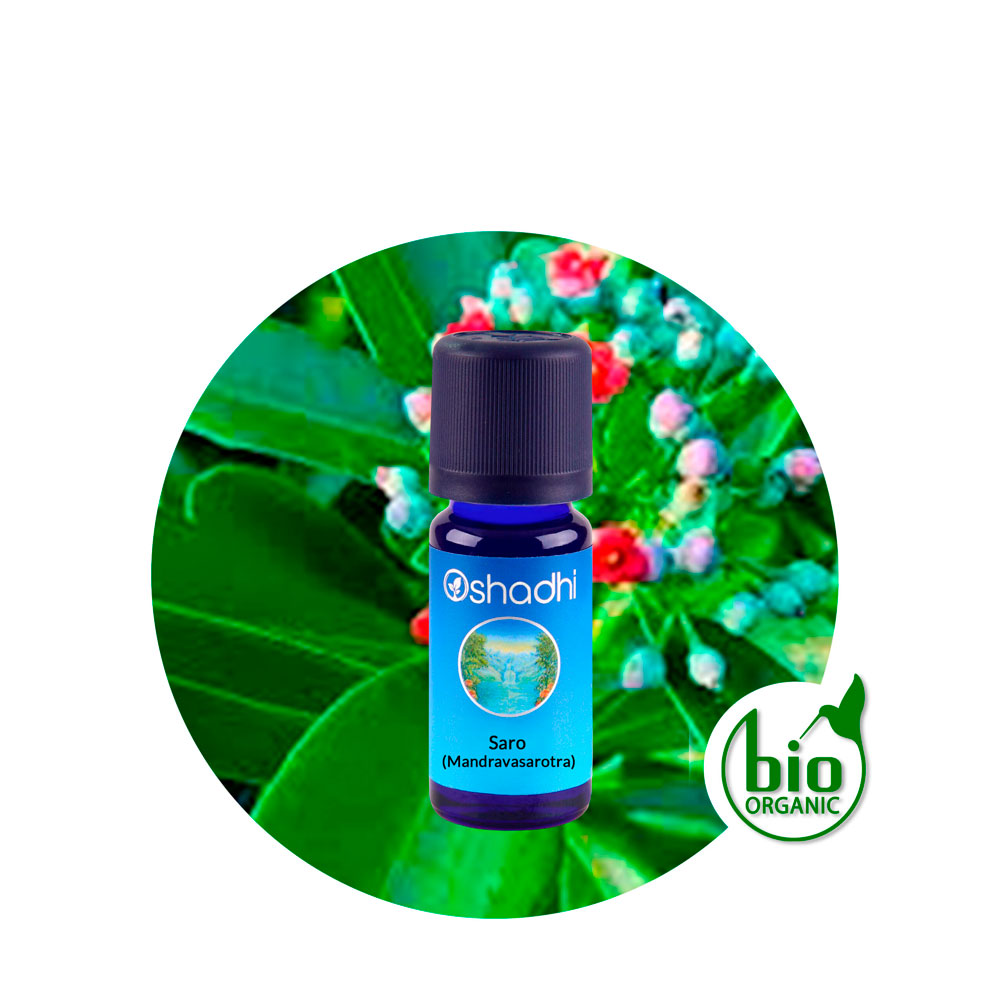
Description
Botanical Origin and Saro Essence
Oshadhi Saro (Mandravasarotra) Essential Oil is an aromatic treasure from the lush landscapes of Madagascar. Derived from the leaves of Cinnamosma fragrans, this indigenous plant, known locally as Mandravasarotra – which translates to 'that which keeps evil away' – has been valued for generations by local communities. Our oil is obtained through meticulous distillation of leaves harvested from wild organic crops, ensuring the purity and potency of its aromatic profile and natural components.
The extraction process is key to preserving the oil's integrity. Low-pressure distillation is performed, with carefully controlled temperature and a slow pace. This methodology is fundamental to ensuring that all volatile active components, which define both its characteristic aroma and its properties, remain intact. Rapidity or high temperature during distillation can compromise quality, resulting in a less complex and potent oil.
Main Chemical Composition
The richness of Saro essential oil lies in its balanced chemical composition, which gives it its uniqueness. Although chemotypes may vary slightly depending on growing conditions and harvest time, its main components typically include:
- 1,8-Cineole (Eucalyptol): A monoterpene oxide known for its fresh, penetrating aroma, which may contribute to a feeling of clear breathing. It is a common component in oils such as eucalyptus and bay laurel.
- α-Pinene: A monoterpene with a fresh, woody aroma, present in many conifers. It is associated with possible comforting and air-purifying effects.
- Linalool: A monoterpene alcohol with floral and slightly spicy notes, which may contribute to a sense of calm and balance.
- Terpinen-4-ol: A monoterpene alcohol also found in tea tree, recognized for its potential to support mental clarity.
The combination of these and other minor compounds creates a synergistic profile that defines Saro's aromatic characteristics and potential applications.
Aromatic Profile
Saro presents an aroma that is both complex and revitalizing. Its aromatic profile is described as:
- Top note: Fresh, camphoraceous, and slightly citrusy.
- Middle note: Herbal, balsamic, and with spicy nuances.
- Base note: Woody and sweet, with an earthy touch that adds depth and persistence.
This olfactory combination makes it a stimulating and purifying oil, capable of imparting a sense of cleanliness and vitality to the environment.
Uses in Aromatherapy
In the field of aromatherapy, Saro Essential Oil is valued for its versatility and the feelings of well-being it may provide. It is associated with purification and renewal, making it an interesting option for creating fresh and clear environments.
- May help create an atmosphere of mental clarity and focus.
- Its aroma is considered beneficial for supporting the feeling of clear airways.
- It is appreciated for its potential to reinforce a sense of general well-being, especially during times of change or challenge.
- Some aromatherapists recommend it to promote a sense of balance and inner strength.
How to Use
Saro Essential Oil is potent and should be used with caution. Below are some ways to safely incorporate it into your wellness routine:
Environmental Diffusion
- Add 3-5 drops to an essential oil diffuser to purify the air and create a fresh, stimulating environment. It is ideal for work or study spaces, or for moments when a revitalizing atmosphere is desired.
Topical Application (diluted)
- Mix 1-2 drops of Saro essential oil with 10 ml of a carrier oil (such as jojoba oil, sweet almond, or fractionated coconut). Apply this mixture with a gentle massage to the chest, back, or soles of the feet. Always perform a patch test on a small area of the skin before extensive application.
Direct Inhalation
- Add 1-2 drops to a tissue and inhale deeply at intervals. You can also inhale directly from the bottle for short periods, if seeking a quick sense of clarity.
Aromatic Bath
- Dilute 5-8 drops of Saro in one tablespoon of a dispersant (such as Epsom salts, neutral shower gel, or vegetable oil) before adding it to warm bath water. Enjoy a comforting and revitalizing bath.
Aromatic Synergies
Saro Essential Oil blends harmoniously with a wide range of oils, enhancing their profiles and properties:
- With citrus oils: Lemon, Sweet Orange, Grapefruit for a fresh, purifying blend that uplifts the mood.
- With balsamic and resinous oils: Frankincense, Pine, Fir to create an atmosphere of connection and depth.
- With herbal oils: Rosemary, Thyme, Eucalyptus for a synergy that promotes a feeling of clear airways.
- With floral oils: Lavender, Geranium to soften its camphoraceous note and add a touch of calm.
- With other energizing oils: Ravintsara, Tea Tree for a cleansing and energetically protective effect.
Experiment with different combinations to discover your preferred blends and personalize your aromatherapy experience.
Important Precautions
Although essential oils are natural products, their high concentration requires informed and responsible use. Consider the following precautions when using Saro Essential Oil:
- Dilution: Always dilute the essential oil in a carrier oil before applying topically to avoid possible skin irritations. Do not apply undiluted directly to the skin.
- Internal Use: This oil is not intended for internal use. Consult a qualified healthcare professional before considering any ingestion.
- Sensitivity: Perform a patch test on a small area of the skin (e.g., on the forearm) before using more extensively to check for any allergic reaction.
- Pregnancy and Lactation: If you are pregnant or breastfeeding, consult your doctor or a certified aromatherapist before using this product.
- Children: Keep out of reach of children. For use in children, consult a specialist and always use a very low dilution.
- Medical Conditions: If you have any pre-existing medical conditions, consult a healthcare professional before incorporating essential oils into your routine.
- Storage: Keep the bottle tightly closed in a cool, dark place, away from direct sunlight and heat sources, to preserve its quality and extend its shelf life.
- Contact with Eyes and Mucous Membranes: Avoid direct contact with eyes, the inside of the ears, and other sensitive areas. In case of accidental contact, rinse thoroughly with vegetable oil (not water) and seek medical attention if irritation persists.
Frequently Asked Questions
What is the difference between Saro and Ravintsara?
Although both are essential oils from Madagascar with fresh aromatic profiles and properties that may evoke purification, they come from botanically different plants. Saro (Cinnamosma fragrans) has a slightly different chemical composition than Ravintsara (Cinnamomum camphora ct. 1,8-cineol), which gives them subtly different aromatic nuances and properties in aromatherapy. Both are valued for their potential support for respiratory well-being and for creating fresh environments.
How can I tell if a Saro essential oil is good quality?
A quality Saro essential oil should be 100% pure and natural, without additives, diluents, or adulterations. It is important to look for trusted brands like Oshadhi, which provide detailed information about the botanical origin, country of origin, part of the plant used, and extraction method. Organic certification (such as Bio or EcoControl) is also an indicator of purity and sustainability.
Is it safe to use Saro during pregnancy?
The use of essential oils during pregnancy and lactation requires caution and, ideally, the supervision of a healthcare professional or a qualified aromatherapist. Although some oils are considered safer than others, it is essential to avoid self-prescription and always consult before use to ensure the safety of both mother and baby.
Can Saro essential oil be ingested?
No, Oshadhi Saro (Mandravasarotra) Essential Oil is not intended for internal use or ingestion. Essential oils are extremely concentrated, and their internal use should only be done under the strict supervision of a healthcare professional with specific training in clinical aromatherapy.
These statements have not been evaluated by the FDA. This product is not intended to diagnose, treat, cure, or prevent any disease. Consult with a healthcare professional before using essential oils if you are pregnant, breastfeeding, or have any medical condition.
Key benefits
- May support mental clarity
- Associated with clear airways
- Provides fresh, purifying aroma
- Promotes general well-being
- May support emotional balance
- Enhances personal comfort
Ingredients and composition
- Cinnamosma fragrans leaf oil (Aceite esencial de hoja de Cinnamosma fragrans)
How to use
<strong>Environmental diffusion:</strong> 3-5 drops in a diffuser to create a fresh, purified atmosphere.
<strong>Topical massage (diluted):</strong> Mix 1-2 drops with 10 ml carrier oil and apply to chest or back.
<strong>Direct inhalation:</strong> Place 1-2 drops on a tissue and inhale gently.
<strong>Aromatic bath:</strong> Dilute 5-8 drops in a dispersant before adding to bath water for a revitalizing experience.