Tarragon
Brand: Young Living · SKU: 564308
37.04 €
Key points
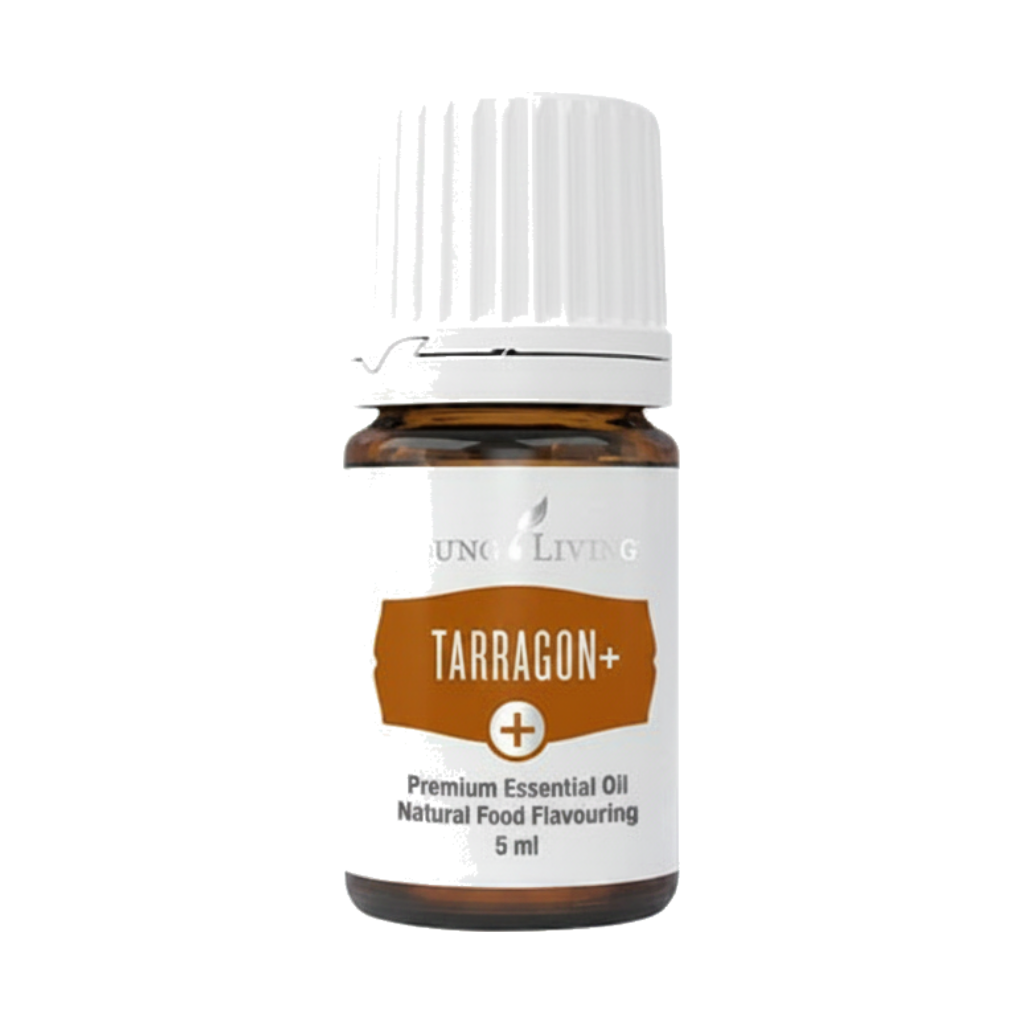
- Aceite esencial de Estragón (Artemisia dracunculus) Young Living, 100% puro.
- Aroma herbal, ligeramente anisado y especiado, ideal para crear ambientes relajantes.
- Versátil en la cocina para realzar platos de pescado, carne y salsas con un toque gourmet.
- Promueve una sensación de calma y bienestar general a través de la difusión aromática.
- Formato de 5 ml, compatible con difusores y para uso tópico diluido.
Description
Botanical Origin and Aromatic Profile
Young Living Tarragon essential oil is obtained by steam distilling the fresh leaves of Artemisia dracunculus, a perennial herbaceous plant native to Eurasia and North America. Commonly known as tarragon, this plant has been valued throughout history for its culinary uses and aromatic properties. The essential oil captures the distinctive essence of the plant with a singular aromatic profile. With predominant anise-like, spicy, and slightly sweet notes, tarragon's aroma is intense and herbaceous, offering an olfactory experience that may recall licorice or star anise, but with more complex and earthy undertones.
This penetrating aroma makes it an interesting ingredient for various applications, from enhancing flavor in cooking (in its version suitable for internal use, such as the culinary oils from Young Living's Plus line) to its inclusion in aromatherapy blends for an energizing effect or to promote a feeling of comfort. The history of tarragon is linked to medicinal and culinary traditions, being a highly prized herb in French gastronomy, which underlines its versatility and aromatic richness.
Main Chemical Composition
The aromatic richness of Tarragon essential oil is due to a complex interaction of chemical compounds, among which methyl chavicol (also known as estragole) stands out as its main component. This methyl ether phenol is predominantly responsible for its characteristic anise-like and spicy aroma. In addition to methyl chavicol, tarragon oil may contain other constituents such as limonene, ocimene, and phellandrene, which contribute to its overall olfactory profile and intrinsic properties.
The presence of these volatile compounds is what gives Tarragon essential oil its distinctive characteristics. The quality of the oil largely depends on factors such as the plant's origin, cultivation conditions, harvesting method, and distillation process. Young Living, through its Seed to Seal® commitment, seeks to ensure the purity and potency of its oils, thus guaranteeing an optimal chemical profile that reflects the natural essence of Artemisia dracunculus. It is essential to recognize that the detailed chemical composition may vary slightly between batches due to the natural fluctuations of botanical products.
Uses in Aromatherapy
In the field of aromatherapy, Tarragon essential oil is valued for its unique aroma and evocative properties. It is believed to be able to create an atmosphere of calm and well-being, helping to establish a space conducive to relaxation during times of tension or occasional stress. Its spicy and herbal aroma can be an interesting complement for meditation practices or for moments when one seeks a connection with feelings of grounding and clarity.
- Calming atmosphere: Diffusing tarragon may contribute to establishing a peaceful atmosphere at home or in the office, promoting a state of greater mental tranquility.
- Aromatic digestive support: Traditionally, aromas such as tarragon have been associated with promoting a sense of digestive comfort through inhalation. It may be useful to diffuse it after heavy meals to aromatize the environment.
- Revitalizing sensation: Its fresh and herbaceous aroma possesses qualities that may help revitalize the senses and promote a feeling of mental clarity when inhaled directly from the bottle or applied topically diluted.
- Relaxing massage: Blended with a carrier oil, tarragon can be incorporated into massages in specific areas, such as the abdomen, for a comforting sensation or in muscular areas for a localized relief experience.
How to Use
Young Living Tarragon essential oil can be used in various ways, always with caution and following essential oil safe usage guidelines:
- Diffusion: Add 3 to 5 drops to an ultrasonic diffuser to create an aromatic environment in the desired space. It can be diffused for 15-30 minutes, two or three times a day.
- Topical application: Dilute 1 drop of Tarragon essential oil with 4 drops of a carrier oil (such as Young Living's V-6 Vegetable Oil Complex, or pure fractionated coconut, jojoba, or sweet almond oils). Apply to the desired area, such as the abdomen, temples, or soles of the feet. Always perform a patch test on a small skin area before general application.
- Direct inhalation: Inhale the aroma directly from the bottle or place a drop on a tissue and gently inhale. This technique allows for rapid and direct uptake of aromatic components.
- Aromatic massage: Incorporate diluted tarragon oil into a massage oil for a relaxing and comforting massage.
It is recommended to start with the lowest dose and gradually increase if necessary, always paying attention to individual response.
Synergies
The anise-like and spicy aroma of Tarragon essential oil blends well with a variety of other essential oils, allowing you to create complex and personalized aromatic blends that can enhance its properties or bring new olfactory dimensions:
- With citrus: Oils such as Lemon, Orange, or Bergamot can add a fresh and uplifting touch, balancing tarragon's herbaceous intensity.
- With spices: Combined with Ginger, Fennel, or Anise, it can enhance warm and spicy notes, ideal for blends seeking a feeling of comfort.
- With herbs: Rosemary or Peppermint can complement the herbaceous profile, creating a synergistic and stimulating effect.
- With florals: Lavender or Roman Chamomile can soften its aroma and add a layer of calm and relaxation to the blend.
Precautions
Tarragon essential oil is potent and should be used with caution. It is essential to follow the following recommendations for safe use:
- Do not apply directly to the skin undiluted: Always dilute with a carrier oil before topical application to avoid possible irritation.
- Avoid contact with eyes and mucous membranes: In case of accidental contact, rinse thoroughly with a vegetable oil (not water).
- Perform a patch test: Before using on a large area, apply a small diluted amount to a small skin area to check for any adverse reaction.
- Consult a healthcare professional: If you are pregnant, nursing, taking medication, or have a medical condition, consult your doctor or healthcare professional before using essential oils.
- Keep out of reach of children: Store in a safe, cool place.
- Internal use: This product is not intended for internal use. Only Young Living Plus line oils are labeled for food use in some markets.
- Photosensitivity: Although tarragon is not typically photosensitive, it is always prudent to avoid intense sun exposure in the area of topical application, especially if mixed with other oils that are.
Frequently Asked Questions
What is the difference between Tarragon essential oil and culinary tarragon?
Tarragon essential oil is a concentrated and potent form of the plant's volatile compounds, used primarily in aromatherapy. While fresh or dried herb is used in cooking to flavor foods, the essential oil, especially the Young Living version that is not from the Plus line, is not designed for direct internal consumption. Essential oils are much more concentrated than the herb.
Is tarragon safe to use in a diffuser?
Yes, Tarragon essential oil is generally safe to diffuse. It is recommended to use 3 to 5 drops in an ultrasonic diffuser and diffuse for periods of 15 to 30 minutes, ensuring good ventilation. It is important to moderate the amount due to its intense aroma.
Can Tarragon oil be applied directly to the skin?
No, Tarragon essential oil should not be applied directly to the skin undiluted. It is a potent oil that can cause irritation. It should always be diluted with a carrier oil (such as fractionated coconut oil or jojoba) at a ratio of at least 1 drop of essential oil to 4 drops of carrier oil before applying topically. A patch test on a small area of the skin is recommended first.
What other essential oils does Tarragon blend well with?
Tarragon blends well with citrus aromas like Lemon and Orange, spice oils like Ginger and Fennel, herbs like Rosemary and Peppermint, and soft floral notes like Lavender or Roman Chamomile. These combinations can create pleasant and complex aromatic blends.
These statements have not been evaluated by the FDA. This product is not intended to diagnose, treat, cure, or prevent any disease. Consult with a healthcare professional before using essential oils if you are pregnant, nursing, or have a medical condition.
Key benefits
- Aroma may foster a feeling of calm and emotional balance
- May contribute to a relaxing atmosphere
- Spicy, herbal fragrance may revitalize senses
- Ideal for enhancing aromatic blends
- May offer comforting sensation in topical massage
Ingredients and composition
- Artemisia dracunculus (Estragón) oil
How to use
<strong>Diffusion:</strong> Add 3-5 drops to a diffuser to create an aromatic environment.
<strong>Topical Application:</strong> Dilute 1 drop with 4 drops of carrier oil and apply to the desired area.
<strong>Direct Inhalation:</strong> Inhale the aroma from the bottle or a tissue for a quick effect.
<strong>Aromatic Baths:</strong> Add 5-10 drops, previously mixed with bath salts or a dispersant, to warm bath water.
Reviews (8) — 3.1/5
Un año con YL
Llevo casi un año con YL. Por naturaleza, soy una persona un poca asèptica. Sin duda, comprar el kit de inicio para mi ha sido una inversión. Probé en un u otro momento todos los aceites y me sorprendió de su gran eficaz. Pertenezco una gran comunidad que me asesoren I son de un gran apoyo. Si alguna vez he tenido un problema con un pedido, me lo solucionarán enseguida.
Productos y empresa CUIDADO
Productos de excelente calidad pero como clienta tienes que tener mucho cuidado con quien caes…, y ya no quiero decirte si pretendes emprender. Eso no es MLM es un trabajo piramidal. Todo está manejado por una tal Mamaesencial que da mucho dinero a la empresa, y callan todo lo que tiene montado esta mujer. Trabajo totalmente piramidal!!! Trato malo malísimo. Y ya ni hablar de esa mujer negra que es la Laura Fuentes mama ingeniera, también conocida como la teniente O’ Neil. Salid corriendo de ahí. El que tenga dudas que me escriba por privado que puedo enseñarle todas las pruebas de lo vivido ahí. Hay más opciones que no YL!
La atención al cliente es pésima
Los aceites me gustan pero creo que son muy caros, más allá de eso creo que la página que tienen es súper complicada y más que facilitarte la compra te la complica, yo le hice a un amigo una compra y no solo no le llego y tuvo muchos problemas sino que a mí no me dieron las recompensas, por lo que por mi parte han perdido una clienta y que pueda hablar de ello bien, no lo recomiendo aunque reconozco que los productos son buenos aunque muy caros. No entiendo que queriendo vender online tengan una página tan complicada y tan poco intuitiva.
Llevo usando YL desde hace 3 años
Llevo usando YL desde hace 3 años. Me parecen unos productos de muy buena calidad. Es verdad que son más costosos que otros pero valoro más la calidad que el precio. No soy de usarlos a todas horas pero si recurro a ellos en momentos que creo que los necesito. Además YL no tiene solo a.e sino que también tienen productos de aseo, de limpieza sin toxicos, suplementación, etc. Es verdad que alguna vez he tenido algún problema con los envíos (un par de veces en todos estos años) pero dd atención al cliente siempre me han atendido de manera amable y correcta. Otras veces el problema no es de YL, es de la compañía que hace el reparto, de Seur. Mi valoración es buena pq mi experiencia es buena.
EL QUE ENTRA NO SALE
NO DEJEIS QUE OS INSCRIBAN EN EL PROGRAMA DE FIDELIZACIÓN DE CLIENTE, NO PODREIS SALIR Y OS COBRAN CADA MES UN CARGO hasta que consigais dar de baja la tarjeta que le habéis dado NO ATIENDEN EL TELEFONO Tienen un sistema cerrado de tal manera que te obligan a hacer un pedido mensual y solo puedes cambiar los productos en él contenidos pero no dejar vacía la cesta y solo comprar cuando necesites algo Tampoco de dan de baja, no existe la forma de hacerlo, ni siquiera la persona que te inscribe puede luego darte de baja Su sistema es captar los datos de la tarjeta y mientras consigues anular la tarjeta, porque no hay otra forma de salir de ahí, ya te han repetido varios pedidos LAMENTABLE LA FORMA DE VENDER DE ESTA GENTUZA una lástima ya que tienen buen producto.
Solo importa el negocio
Los aceites esenciales de young living son de muy buena calidad. Tienen también algunas sinergias maravillosas (thieves, purification, stress away…) que me encantan. Ahora bien, parece que solo les importa vender. Si lo haces por tu cuenta los precios son altísimos. Lo mejor es comprar a través de una distribuidora y empezar con el Kit de Inicio, pero entonces cada vez que compras, los beneficios o recompensas van para esta persona (no para ti!). Además, los gastos de envio son carísimos (10-12€), por lo que si no compras conjuntamente con alguien, es una barbaridad. Da igual lo que te gastes, los gastos siempre son los mismos. Lo que parece una buena propuesta (entras en un grupo/comunidad de whats app donde puedes consultar y obtener ayuda e ideas), al final solo es una estrategia de marketing (si durante un año no compras, porque con los aceites que tienes en casa ya es suficiente, te echan del grupo. Lamentable!!!! Es muy feo que después de tres años comprando, te saquen de un grupo porque simplemente no les generas dinero).
En una sola palabra CALIDAD
llevo usando estos aceites bastante tiempo es una marca que me tiene enamorada, tanto sus aceites como otros productos encuentro en ellos un montón de beneficios, son un poquito más caros pero son aceites muy muy diferentes a otras marcas. Es la excelencia en aceites tanto para mi familia y para mí hogar. la calidad fue lo que realmente me encantó.
This works, never a problem!
Love it, it works. I take one or two capsules usually at night. And it keeps me regular!