Thyme Essential Oil: Benefits and How to Choose the Best on the Market

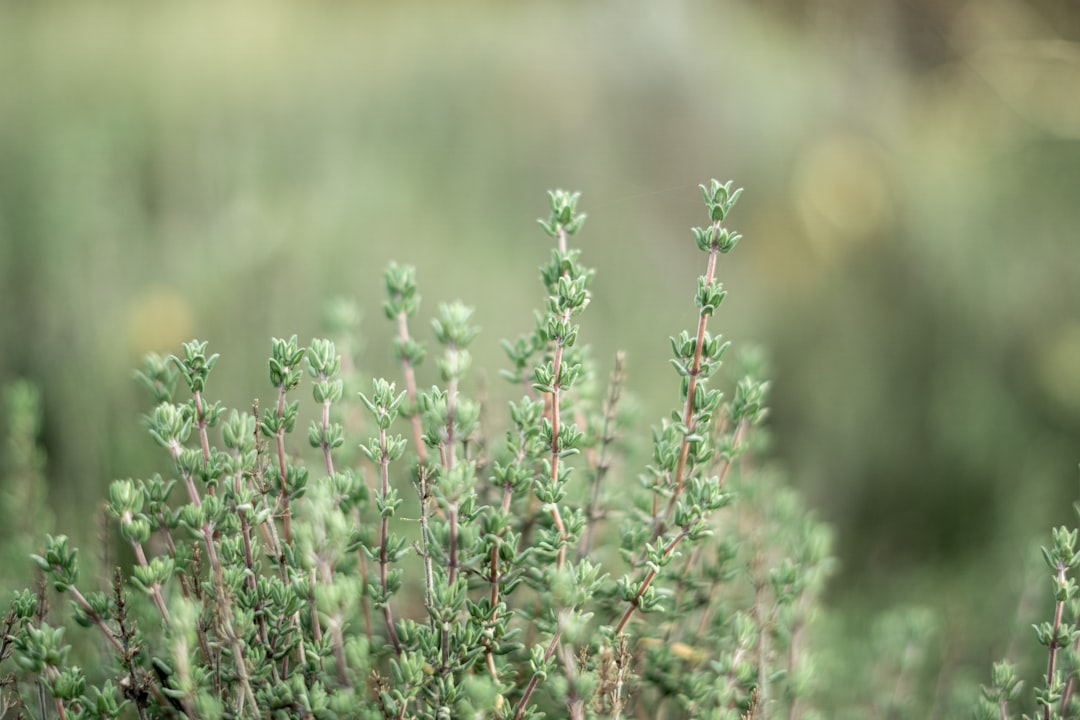
Hey there, my wonderful Esseniq community! Today, we're diving together into the universe of a botanical that you might know more for its aroma in the kitchen, but in the world of essential oils, it's a true gem. I'm talking about thyme, that humble but powerful little plant that nature gives us with a strength that demands our respect and wisdom in its use. Get ready, because thyme oil (Thymus vulgaris) is much more than a spice; it's a comforting balm, a tireless purifier, and an ally for holistic wellness.
But, my dears, as with all good things in life, its power lies in its purity. And this is where the choice we make becomes critically important. Did you know that not all thyme essential oils are created equal? In fact, the difference between a pure, authentic, and wellness-enhancing oil and an adulterated one can be abysmal, even harmful. Today, I'll guide you, like the good botanist I am, to learn how to discern, to read between the lines on labels, and to empower yourselves with the knowledge needed to protect what's most valuable: your health and your family's. Because the power of nature, my friend, deserves to be honored with the utmost integrity.
What Is Thyme Oil For? 3 Key Benefits
Thyme essential oil (Thymus vulgaris) is a concentrate of the essence of this noble plant, known for its warm, herbaceous, and spicy aroma. Its chemical composition, dominated by components like thymol (a phenol with a potent purifying profile), gives it properties that make it a valuable ally in our natural first-aid kit, as long as it's used with the wisdom and respect it deserves. Below, I'll detail three of its most cherished applications for daily wellness:
1. Support for a Breathable and Purified Environment
When we talk about 'clearing the air,' I'm not just referring to bad odors, but to fostering an environment where a sense of purity and freshness is felt in every breath. Thyme essential oil, diffused wisely, has the ability to transform a space. Its main component, thymol, is responsible for that 'cleansing' effect.
Mechanism: Thymol has the ability to interact with airborne particles, helping to purify the air and create a more comfortable environment. When diffused, its molecules disperse, contributing to an atmosphere that feels fresher and clearer, which is especially beneficial during seasonal changes or in enclosed spaces.
Benefit: Promotes a feeling of clean, clear air, ideal for the home or office, providing a fresh atmosphere that invites deep breathing.

2. Providing Comforting Warmth in Topical Massages
Thyme is what we call a 'hot' oil in aromatherapy jargon. This means that when applied topically and always heavily diluted, it can create a gentle, comforting warming sensation. This property makes it an ideal candidate for massages aimed at relieving muscle tension or providing comfort after an active day.
Mechanism: Thymol and other monoterpenes present in thyme oil have a local rubefacient effect when applied to the skin, meaning they cause a slight increase in blood flow to the area, which translates into a warming sensation. This warmth helps to relax tissues, providing a feeling of relief and comfort. It's similar to how a warm compress on tired muscles can be so comforting.
Benefit: Provides a warm and relaxing massage, perfect for comforting joints and muscles after exercise or for relieving tension in localized areas.
3. Support for a Deeply Cleansed Scalp
Who doesn't long for a healthy scalp and radiant hair? Thyme essential oil, used with extreme caution and in very, very low dilutions within your hair care routine, can be a great ally for cleansing and purification.
Mechanism: The properties of thymol are well-known for their ability to help purify and cleanse. When a minuscule and well-diluted amount is added to shampoo, it contributes to a deeper cleansing of the scalp, helping to remove impurities and maintain an optimal environment for hair growth.
Benefit: Promotes a clean, fresh, and balanced scalp, fostering a healthy environment for the hair follicle.

The Golden Rule: Thyme is a 'Hot Oil'
Attention, everyone! This is perhaps the most crucial piece of information you should take away if you decide to integrate thyme oil into your life. *Thymus vulgaris* gives us a powerful essential oil, yes, but that very power demands the utmost respect and impeccable dilution. Thyme oil is classified in aromatherapy as a 'hot oil.' What does this mean? Simple: it contains a high concentration of phenolic components, mainly thymol, which can cause skin sensitivity if applied directly or in inadequate dilutions.
Thymol and the NON-NEGOTIABLE Need for Dilution:
Thymol is a wonderful molecule with a purifying and comforting profile, but it is also highly concentrated. Imagine it's like a pure shot of espresso—delicious for some, but potent, right? Similarly, applying thyme oil directly to the skin is like giving it a blast of heat, which can cause irritation, redness, or even a burning sensation.
Therefore, the golden rule is: NEVER, under any circumstances, apply pure Thyme Essential Oil to the skin. It must always, and I repeat, ALWAYS, be diluted with a quality carrier oil.
Safe and Responsible Dilutions:
For thyme oil, my expert recommendation is to be extra-cautious.
- Sensitive skin or general use in adults: Start with an ultra-conservative dilution, like 0.5%-1%. This means 1 drop of thyme essential oil for every 10-20 ml (approximately 2-4 teaspoons) of your favorite carrier oil (like our Young Living V-6 Complex).
- Localized massages in adults (e.g., tense muscles): You can go up to 2-3%, but always do a patch test on a small area of skin first. This would be 1 drop of thyme for every 1.5-2.5 ml (approximately 30-50 drops) of carrier oil.
- Children: For the little ones at home, it's best to avoid topical use of 'hot' oils like thyme. If you decide to use it, the dilution must be even lower (0.25% or less) and always under the supervision of a healthcare professional experienced in pediatric aromatherapy. Caution is the best advisor when it comes to our children.
- Essential Carrier Oil: Young Living's V-6 Complex, a blend of vegetable oils like fractionated coconut, sesame, grapeseed, sweet almond, wheat germ, sunflower, and olive, is my top choice. Its light, non-greasy texture makes it perfect for diluting and ensuring the essential oil is absorbed safely and effectively.
Remember, the beauty of aromatherapy lies in conscious and safe use. The power of thyme is a blessing if we handle it with wisdom. Don't get burned by being in a hurry!
The Great Comparison: Young Living vs. Commercial Oils
My beautiful people! Here comes one of the most intense and revealing points of our conversation. Because when it comes to choosing a thyme essential oil—or any other—it's not just about the aroma, but about purity, effectiveness, and, above all, safety. When we see shelves full of 'essential oils' in health food stores, supermarkets, or online platforms at ridiculously low prices, the question must be: what am I really buying? Here, I present a crystal-clear comparison so you can understand why my choice of Young Living Thyme is based on an unsurpassed standard of quality.
| Characteristic | Young Living | Health Store/Amazon Brands (Generic) |
|---|---|---|
| Farming Practices | Seed to Seal®: Total control from the seed. Organic farming without synthetic pesticides or herbicides. Company-owned or partner farms with rigorous audits. Respect for natural cycles. | Often, unknown or third-party origin. Widespread use of pesticides and herbicides. Non-organic farming practices to maximize production at the lowest cost. |
| Extraction Method | Slow, Low-Temperature Steam Distillation: Meticulous process to preserve the integrity of thyme's chemical components (thymol). No chemicals used. | Often, fast, high-temperature distillation or use of chemical solvents (hexane, ethanol) to extract more oil cheaply. This alters the chemistry and leaves toxic residues. |
| Lab Testing | Seed to Seal® (Multiple Rigorous Tests): Every batch undergoes extensive in-house and third-party testing (GC/MS, IR, etc.) to verify purity, potency, and the absence of contaminants. If the chemical profile isn't perfect, the batch is rejected and not sold. | Minimal or non-existent testing. Reliance on supplier certificates, which may not be comprehensive or reliable. No rejection for a chemical profile that doesn't meet quality and purity standards. |
| Traceability | Complete and Transparent: The exact origin of each bottle is known, from the seed to the bottle. Access to information about the farm, harvest, and process. | Limited or no traceability. The consumer cannot know where the plant came from, how it was grown, or how it was processed. |
| Active Components | Optimal and natural concentration of thymol and other terpenes. Complete and balanced chemical profile. | Altered, diluted, or with added synthetic components. Thymol content may be artificially high or very low. May contain undesirable compounds. |
| Safety of Use | Maximum confidence in purity for aromatic and topical use (with proper dilution). No toxic residues. | Risk of skin sensitivities, allergic reactions, or adverse effects from adulterants and chemical residues. Unsafe for long-term use or for sensitive individuals. |
| Price | Reflects quality, purity, origin control, and impeccable processes. It is an investment in wellness. | Very low prices are an indicator of compromised purity, dilution, adulteration, or cheap extraction. When it comes to essential oils, you get what you pay for. |

The Danger of 'Cheap' in Aromatherapy
Oh, my dears! Sometimes, the temptation of 'economical' calls to us with its sweet song, doesn't it? But in the world of essential oils, cheap almost always ends up being very expensive. And I'm not just talking about money, but about health—that wellness we strive so hard to protect.
Let me be very clear and direct: many of the 'cheap' essential oils we find on the market—whether in poorly supervised health food stores, department stores, or the vastness of an online marketplace—are adulterated, synthetic, or irresponsibly sourced products. And why is this dangerous?
1. Residual Chemical Solvents: To cut costs and increase the amount of 'oil' extracted, many brands use chemical solvents like hexane, petroleum ether, or supercritical CO2 with additives. These solvents, if not properly purged or distilled, leave toxic residues in the final product. When we apply these oils to our skin, or inhale them through a diffuser, these residues can be absorbed into our bloodstream, reaching our organs, or be inhaled directly into our lungs. This completely negates any possible benefit and, worse, can cause irritation, allergies, or long-term harmful effects on our respiratory system, liver, and other systems.
2. Dilution with Common Base Oils: Another common practice is to dilute the pure essential oil with cheaper vegetable oils (like refined sunflower or soy oil) without declaring it on the label, or worse, with mineral oils that have no therapeutic value. In these cases, we are paying a high price for a substance that is not what it claims to be, and its effectiveness is nil.
3. Adulteration with Synthetics: To replicate an aroma or 'enhance' the fragrance, synthetic aromatic molecules that do not come from the original plant are added. These substances not only lack the genuine therapeutic properties of thyme (or whatever the oil is), but they can also be potent allergens or irritants.
4. Low-Quality Raw Materials: From plants grown with pesticides and herbicides, to those that are not the correct botanical species (yes, it happens!), the lack of control at the source of the raw material directly impacts the safety and purity of the final oil. What's the point of using a 'natural remedy' if it comes from a plant sprayed with toxic chemicals?
The skin is our largest organ, and the lungs are vital. Both have the capacity to absorb what we offer them. When we choose cheap essential oils, we are unknowingly introducing substances into our bodies that not only compromise our well-being but can also be harmful.
That's why, my friends, choosing an essential oil is not a game; it's an investment in your health. It's a matter of ethics, science, and commitment to nature. Demand transparency, demand the Seed to Seal standard. Your body, your family, and your peace of mind will thank you infinitely.
Safe Homemade Recipes with Thyme
Now that we've understood the importance of purity and dilution, let's get to the fun part! Here are a couple of simple and safe recipes to integrate the power of thyme essential oil into your wellness routine. Always remember to use your therapeutic-grade Young Living Thyme oil and an excellent carrier oil like the V-6 Complex.
1. 'Winter Breeze' Roll-On
This roll-on is ideal for when you feel the need for a little comforting warmth or for aromatic support during seasonal changes. It's perfect for applying to the soles of your feet or chest (always well-diluted and after a patch test).
Ingredients:
- 10 ml of V-6 Complex (Young Living carrier oil)
- 1 drop of Thyme (Thymus vulgaris) Essential Oil by Young Living
- 2 drops of Lemon (Citrus limon) Essential Oil by Young Living (optional, for a fresher, more uplifting aroma)
- One 10 ml dark glass roll-on bottle with a stainless steel roller ball
Preparation Instructions:
- In the 10 ml roll-on bottle, pour the V-6 Complex until it's almost full.
- Carefully add 1 drop of Thyme Essential Oil. Remember, a single drop is enough for this safe dilution!
- If you want a fresh, citrusy touch, add 2 drops of Lemon Essential Oil.
- Place the stainless steel roller ball and the cap on.
- Gently shake to mix the oils.
Detailed Application Instructions:
- Frequency: 2-3 times a day, as needed.
- Method: Glide the roll-on over the soles of the feet, the upper chest (avoiding the heart area if you have sensitivity), or the back. Massage gently until absorbed.
- Duration: Use as needed, especially during colder months or when seeking aromatic comfort.
- Warning: Avoid direct sun exposure on the areas where you applied it if you added Lemon, as it is a photosensitive oil. If you are not going to be in the sun, there's no problem.

2. 'Courage and Strength' Diffuser Blend
This blend is perfect for purifying the environment and creating an atmosphere of empowerment and mental clarity, ideal for those moments when we need a push or to clear the energy of a space.
Ingredients (for a diffuser running for 3-4 hours):
- 2 drops of Thyme (Thymus vulgaris) Essential Oil by Young Living
- 4 drops of Lemon (Citrus limon) Essential Oil by Young Living
- 3 drops of Eucalyptus Radiata (Eucalyptus radiata) Essential Oil by Young Living (for a more respiratory touch) or Frankincense (Boswellia carterii) Essential Oil by Young Living (for a deeper atmosphere)
Preparation Instructions:
- Fill the tank of your Young Living diffuser with distilled or filtered water up to the indicated mark.
- Add the drops of each essential oil directly into the water.
- Close the diffuser and turn it on.
Detailed Application Instructions:
- Frequency: Diffuse for periods of 15-30 minutes, with rest intervals, 2-3 times a day. It is not recommended to have the diffuser on continuously for hours—less is more!
- Method: Place the diffuser in a central area of the house or in the room where you want to purify the environment and feel inspired. Make sure the space is well-ventilated after each session if you wish.
- Duration: Use as needed to purify the air or to inspire a sense of strength.
PHASED PROTOCOL: Wellness with Thyme
Thyme, due to its potency, is an oil that is used strategically. Here I present a phased protocol to make the most of it, always keeping safety and dilution in mind.
Intensive Support Phase (Acute Crisis / Specific Need)
When you feel you need extra comfort or a deep aromatic cleanse in your environment.
- Topical Application:
- Recipe: 'Winter Breeze' Roll-on (the one we already prepared).
- Frequency: 3 times a day.
- Method: Apply 2-3 swipes on the soles of the feet (foot reflexology) and massage gently. You can also apply to the chest or back, always diluted and after a skin patch test.
- Carrier Oil: V-6 Complex at a 1-2% dilution.
- Diffusion:
- Recipe: 'Courage and Strength' blend.
- Frequency: 2-3 times a day for 20-30 minute cycles.
- Method: Diffuse in the desired room or space.
Subacute Phase (Reduce Frequency and Maintain Comfort)
When the main need has subsided, but you still want continuous support.
- Topical Application:
- Recipe: 'Winter Breeze' Roll-on.
- Frequency: 1-2 times a day.
- Method: Continue applying to the soles of the feet or to the comfort zones you already know.
- Diffusion:
- Recipe: 'Courage and Strength' blend.
- Frequency: Once a day, or on alternate days, for 15-20 minute cycles.
- Method: Diffuse in the home to maintain a purified environment.
Prevention/Maintenance Phase (General Wellness and Seasonal Support)
To support general well-being, maintain a sense of purity in the home, and prevent imbalances during seasonal changes.
- Topical Application:
- Recipe: 'Winter Breeze' Roll-on.
- Frequency: 2-3 times a week or as needed for specific situations.
- Method: Apply to the soles of the feet after a bath or before bed.
- Diffusion:
- Recipe: 'Courage and Strength' blend.
- Frequency: 3-4 times a week, for 15-minute cycles, or whenever you want to clear the air.
- Method: Keep your space purified and with an inspiring atmosphere.
DAILY ROUTINE: A Touch of Thyme for Your Wellness
Here is a simple chart to help you integrate thyme oil into your daily life, always keeping your safety and maximum benefit in mind.
| Time of Day | Step | Product Used | Frequency |
|---|---|---|---|
| Morning | Purify the environment and feel strong: Start the day with a clean, clear atmosphere. | Diffuser with 'Courage and Strength' blend | 1 cycle of 20-30 min |
| Midday | Extra comfort and support: If you feel any tension or need an aromatic boost. | 'Winter Breeze' Roll-on (diluted to 1%) | As needed, 1 application |
| Night | Comfort before sleep: Support a feeling of purity and relaxation before resting. | 'Winter Breeze' Roll-on (diluted to 1%) | 1 application on the soles of the feet |
| Scalp Cleanse (Weekly) | Deep hair support: Once a week for an invigorated scalp. | Shampoo with Thyme: In 1 dose of your usual shampoo, add 1/2 drop* of Thyme Essential Oil (very little!). Mix well and wash. | Once a week |
*Note for shampoo:* The '1/2 drop' is achieved by putting 1 drop in a teaspoon of shampoo and then taking half of that mixture for washing your hair; the other half is discarded or used in another wash. Dilution here is extremely important due to the sensitivity of the scalp and face.
SCIENTIFIC AND PRACTICAL TIPS FOR THYME
- Always Do a Patch Test: Before applying any thyme blend to a large area of skin, perform a patch test on a small area, like the inside of your forearm. Wait 24 hours to ensure there is no reaction.
- Storage: Store your thyme essential oil in a cool, dark place away from direct sunlight to preserve its active components and extend its shelf life. The amber bottle from Young Living is designed precisely for this.
- Less is More: With essential oils as potent as thyme, one well-used drop is much more effective and safer than ten poorly applied drops. Patience and precision are key.
- Not for Topical Use on Pregnant Women or Young Children: Due to its potency and phenolic components, I recommend avoiding topical use of thyme on pregnant or nursing women and very young children. For them, diffusing it into the air (at appropriate distances) could be an option, but always consult an expert.
- The Aroma of Ancient Strength: Remember that in ancient times, thyme was associated with bravery and courage. Diffusing its aroma can evoke that feeling of strength, ideal for challenging moments or when you need to feel centered.
- Surface Cleaning: For a homemade cleaning approach, you can add 1-2 drops of Thyme (always diluted in a carrier, like white vinegar or a plant-based cleaner) to a spray bottle with water to clean household surfaces. It helps leave the environment fresh and purified. Never use it without a carrier.
DISCLAIMER: Your Health Comes First
My dears, pay close attention to this! Although we share valuable information here about the use of thyme essential oil, it is crucial to understand that these statements have not been evaluated by the Food and Drug Administration (FDA). Young Living products and the information provided on Esseniq.es are not intended to diagnose, treat, support, or prevent any disease.
Warning Signs to See a Doctor:
If you experience any of the following symptoms or conditions, it is absolutely essential that you see a qualified healthcare professional and do not rely solely on essential oils:
- High or persistent fever.
- Difficulty breathing, persistent cough, or chest pain.
- Severe or sharp pain that does not improve.
- Symptoms that worsen or do not resolve after a reasonable amount of time.
- Unexplained skin rashes, swelling, or allergic reactions.
- Any symptom that causes you significant concern.
Essential oils are fantastic tools to support general wellness and complement a healthy lifestyle, but they do not replace professional medical advice, diagnosis, or treatment. If you have any medical condition, are pregnant, nursing, taking medication, or have health concerns, please consult your doctor before using any essential oil. The information here is educational and should not be interpreted as a medical prescription. Prudence, wisdom, and professional care are your best allies.
HASHTAGS
#ThymeOil #YoungLiving #SeedToSeal #Aromatherapy #NaturalWellness #EssentialOils #ThymusVulgaris #HealthWithOils #Esseniq #SafeDilution
---