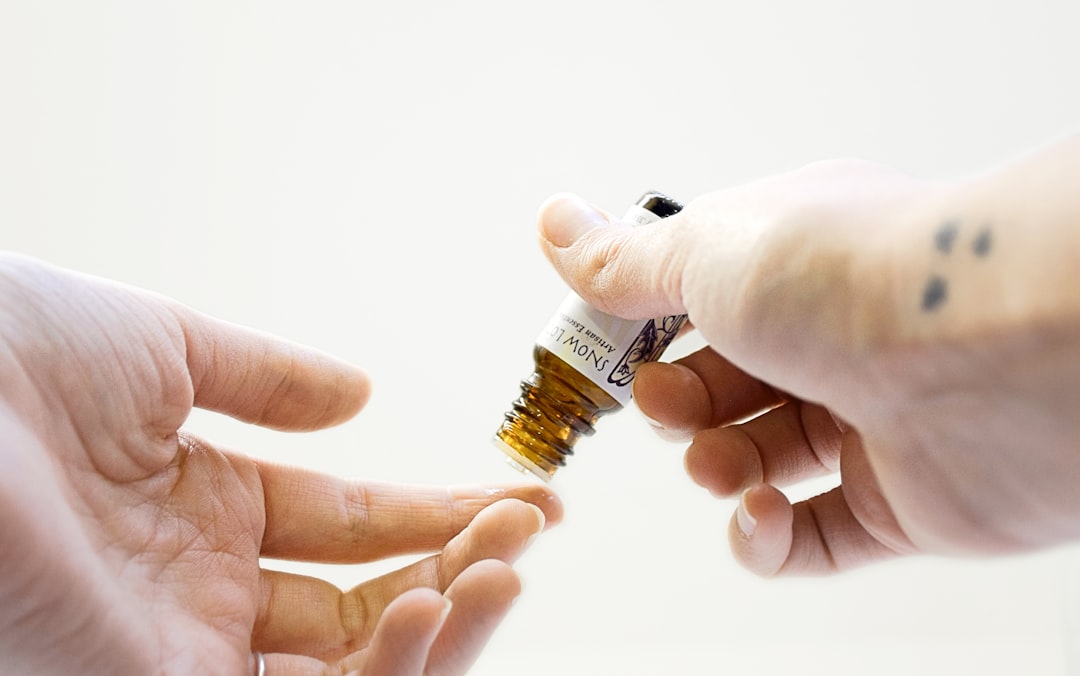
Essential Oils for Carpal Tunnel Syndrome: Neuromuscular Recovery and Anti-inflammatory Support
---
1. INTRODUCTION
Carpal Tunnel Syndrome (CTS) represents the most prevalent compression neuropathy in the adult population worldwide. It is estimated to affect 3% of the general population, with a significantly higher incidence in women (between 5% and 10%) due to anatomical and hormonal factors. According to recent data from 2026, diagnosis rates have increased by 15% due to the massive transition to remote work and intensive use of mobile devices, which generates repetitive microtraumas in the wrist joint.
From a clinical perspective, CTS is not just "hand pain"; it is a debilitating condition resulting from excessive pressure on the median nerve as it passes through the carpal tunnel, a narrow canal surrounded by bones and ligaments. Patients often report paresthesias (tingling), nocturnal numbness that disrupts sleep, and, in advanced stages, atrophy of the thenar muscles (the base of the thumb).
While conventional treatments focus on the use of splints, non-steroidal anti-inflammatory drugs (NSAIDs), and eventually decompression surgery, clinical aromatherapy offers a complementary approach based on molecular chemistry. The use of essential oils with specific chemotypes allows for modulating the inflammatory response, reducing perineural edema, and blocking the transmission of pain signals through gating mechanisms and TRP receptor modulation. This guide details how to use therapeutic-grade botanical extracts, especially Young Living standards, to manage CTS symptoms effectively and safely.
---
2. SCIENTIFIC SECTION: CARPAL TUNNEL ANATOMY AND PHYSIOPATHOLOGY
To understand how essential oils work, we must analyze the structure of the carpus. The carpal tunnel is delimited dorsally by the carpal bones and ventrally by the transverse carpal ligament (flexor retinaculum). Nine flexor tendons and the median nerve pass through this narrow space.
The Compression Mechanism
Inflammation of the synovial sheaths of the tendons (tenosynovitis) reduces the available space, increasing hydrostatic pressure within the tunnel. This pressure compromises the microcirculation of the nerve (focal ischemia), leading to:
1. Segmental Demyelination: Damage to the myelin sheath slows nerve conduction.
2. Intranodal Edema: Fluid accumulation perpetuates compression.
3. Peripheral Sensitization: Pain receptors (nociceptors) become hypersensitive due to the local release of pro-inflammatory cytokines such as IL-1β and TNF-α.
Biochemical Intervention with Aromatherapy
Essential oils act through transdermal penetration, where their low molecular weight compounds (sesquiterpenes and monoterpenes) cross the stratum corneum and reach the connective tissue:
- COX-2 Inhibition: Molecules like methyl salicylate mimic the action of aspirin, reducing prostaglandin synthesis.
- CB2 Receptor Agonism: β-caryophyllene interacts with the peripheral endocannabinoid system to reduce inflammation without psychoactive effects.
- TRPM8 Channel Modulation: Menthol activates cold receptors, providing analgesia through thermal distraction.
---
3. AROMATIC STRATEGY: THERAPEUTIC FUNCTIONS
In addressing CTS, we classify oils according to their clinical objective:
Group A: Systemic and Local Anti-inflammatories
Their function is to drain edema and reduce tendon inflammation to free up space for the nerve.
- Copaiba (Copaifera officinalis): Rich in β-caryophyllene. Acts as a potent modulator of nuclear factor kappa B (NF-κB).
- Frankincense (Boswellia carterii): Contains boswellic acids that inhibit 5-lipoxygenase (5-LOX).
Group B: Analgesics and Antispasmodics
Focused on silencing acute pain and relaxing forearm muscles that tension the tendons.
- Wintergreen (Gaultheria procumbens): Composed almost 99% of methyl salicylate. It is the "liquid analgesic".
- Peppermint (Mentha piperita): Menthol acts as a calcium channel blocker in nerve endings.
Group C: Nerve and Circulatory Regenerators
They promote myelin sheath repair and toxin elimination.
- Helichrysum (Helichrysum italicum): Known for its ability to regenerate tissues and reduce nervous microhematomas. Contains italidiones.
- Cypress (Cupressus sempervirens): Venous tonic that improves the drainage of accumulated fluids in the wrist.
---
4. THE 3 ESSENTIALS (The Must-Haves)
1. Copaiba (Copaifera officinalis)
- Active Component: β-caryophyllene (>50%).
- Mechanism: It is a selective CB2 receptor agonist. Unlike other oils, Young Living's Copaiba not only reduces inflammation but also acts as an "amplifier" for other oils. In CTS, it is crucial to curb the chronic inflammatory cascade surrounding the median nerve.
2. Wintergreen (Gaultheria procumbens)
- Active Component: Methyl salicylate.
- Mechanism: Acts as a cyclooxygenase (COX) enzyme inhibitor. It is essential for acute, sharp pain crises. Its effect is similar to medicated heat patches, penetrating deeply into the carpal ligaments.
3. Helichrysum (Helichrysum italicum)
- Active Component: Neryl acetate and Italidiones.
- Mechanism: It is the oil of choice for nervous health. It helps reduce congestion within the nerve sheath and promotes endoneural microcirculation, vital for the median nerve to regain its function after prolonged compression.
---
5. COMPLEMENTARY OILS
- PanAway (Young Living Blend): Contains Wintergreen, Helichrysum, Clove, and Peppermint. It is the perfect synergy for quick relief.
- Eburnea: A powerful alternative for associated bone and joint pain.
- Basil (Ocimum basilicum): Excellent for tingling (paresthesia). Its high methyl-chavicol content acts as an antispasmodic on the flexor tendons.
- Marjoram (Origanum majorana): Helps relax muscle tension in the forearm which often exacerbates carpal tunnel pain.
---
6. OILS TO AVOID ❌
For people with Carpal Tunnel Syndrome and underlying conditions, avoid:
- ❌ Cinnamon/Cassia: In frequent applications they can be dermal irritants in an already sensitized area.
- ❌ Wintergreen (in people taking anticoagulants): Methyl salicylate can potentiate the effect of medications such as Warfarin.
- ❌ Peppermint (in babies): Can cause respiratory spasms (does not apply to adults with CTS, but important as a general precaution).
- ❌ Photosensitive oils (Lemon, Orange): If applied to the wrist and exposed to the sun without protection.
---
7. DETAILED RECIPES
Recipe 1: "Carpal Decompression" Roll-on (Daily Use)
To reduce edema and pressure on the nerve.
- Bottle: 10 ml amber glass roll-on.
- Ingredients:
- 10 drops of Copaiba EO (Copaifera officinalis)
- 8 drops of Helichrysum EO (Helichrysum italicum)
- 6 drops of Cypress EO (Cupressus sempervirens)
- Fill with V-6 vegetable oil complex or fractionated coconut oil.
- Dilution: Approx. 5% (Therapeutic strength).
- Instructions: Apply to the inside of the wrist and up to the forearm. Perform a gentle "C"-shaped massage 3 times a day.
Recipe 2: "Night Rescue" Ointment
To eliminate tingling and pain that prevents sleep.
- Base: 30 g of shea butter or natural petroleum jelly.
- Ingredients:
- 12 drops of PanAway Blend (Young Living)
- 10 drops of Basil EO (Ocimum basilicum)
- 5 drops of Peppermint EO (Mentha piperita)
- Instructions: Heat the butter in a double boiler, add the oils, mix, and let cool. Apply generously before placing the nocturnal splint. Peppermint will provide a cold-hot effect that distracts pain receptors.
Recipe 3: Bath Salt for Wrist Hydrotherapy
To relax tendons and improve mobility.
- Ingredients:
- 1 cup of Epsom salts (magnesium sulfate)
- 5 drops of Lavender EO (Lavandula angustifolia) - to calm the peripheral nervous system.
- 5 drops of Wintergreen EO (Gaultheria procumbens).
- Instructions: Dissolve in a bowl of warm (not hot) water. Submerge hands and wrists for 15 minutes. Perform gentle rotational movements while submerged.
Recipe 4: "Work Focus" Spray
For use during the workday in front of the computer.
- Base: 30 ml distilled water + 5 ml witch hazel.
- Ingredients:
- 15 drops of Frankincense EO (Boswellia carterii).
- 10 drops of Lemongrass EO (Cymbopogon flexuosus) - supports ligament health.
- Instructions: Shake well and spray on the wrist every 2 hours during work. Leaves no greasy residue on the keyboard.
---
8. PHASED PROTOCOL
Phase 1: Acute Crisis (Days 1 to 7)
- Objective: Relief of sharp pain and immediate reduction of inflammation.
- Action: Apply the Night Rescue Ointment 4 times a day. Supplement with ingestion (if the brand allows, like Young Living's Vitality line) of 1 drop of Copaiba in a vegetable capsule every 12 hours for systemic support.
- Rest: Strict use of a neutral splint.
Phase 2: Subacute Phase (Weeks 2 to 6)
- Objective: Regeneration of the nerve sheath and recovery of strength.
- Action: Use the Carpal Decompression Roll-on morning and night. Begin median nerve gliding exercises after applying the oils.
- Prevention: Evaluate workplace ergonomics.
Phase 3: Maintenance (Continuous)
- Objective: Prevent recurrence and keep tendons lubricated.
- Action: Hydrotherapy with Epsom salts once a week. Apply Work Focus Spray during periods of intensive screen use.
---
9. RECOMMENDED DAILY ROUTINE
| Step | Time | Product | Frequency |
| :--- | :--- | :--- | :--- |
| 1. Protection | Morning (08:00) | Decompression Roll-on | 1 application |
| 2. Support | During work | Work Focus Spray | Every 2-3 hours |
| 3. Rehabilitation | Afternoon (18:00) | Massage with pure Copaiba | 5 minutes massage |
| 4. Rescue | Night (22:00) | Rescue Ointment + Splint | Before sleep |
---
10. CARPAL TUNNEL TIPS
1. Layering Technique: To enhance the effect, first apply one drop of pure Frankincense, wait 30 seconds, then apply the PanAway blend. Frankincense acts as a molecular conductor ("driver") that helps other oils penetrate deeper.
2. Temperature: If the pain is very inflammatory (heat in the area), keep your roll-on in the refrigerator. The cold effect will enhance vasoconstriction and edema relief.
3. Stretching: Never stretch "cold". Apply the essential oils, let them act for 5 minutes, then perform flexor stretches. The oils prepare the tissue for elongation.
---
11. DISCLAIMER
IMPORTANT: This guide is informative and educational, based on clinical aromatherapy practices and botanical literature. It does not replace medical diagnosis.
Consult your doctor immediately if:
- You experience a total loss of sensation in your fingers.
- You notice that your thumb has become visibly thinner (muscle atrophy).
- The pain is a result of acute trauma (possible fracture).
- There is no improvement after 4 weeks of conservative treatment.
The Food and Drug Administration (FDA) has not evaluated these claims. These products are not intended to diagnose, treat, cure, or prevent any disease.
---
12. HASHTAGS
#NaturalHealth #ScientificAromatherapy #CarpalTunnel #EssentialOils #HolisticWellness #YoungLivingEspaña #NaturalRecipes #OccupationalHealth #MedianNerve #CopaibaBenefits
---
Note to reader: To ensure the purity and efficacy of these protocols, the exclusive use of oils with the "Seed to Seal" purity seal is recommended, guaranteeing that chemical constituents such as β-caryophyllene and neryl acetate are present in the therapeutic concentrations necessary for nerve recovery.