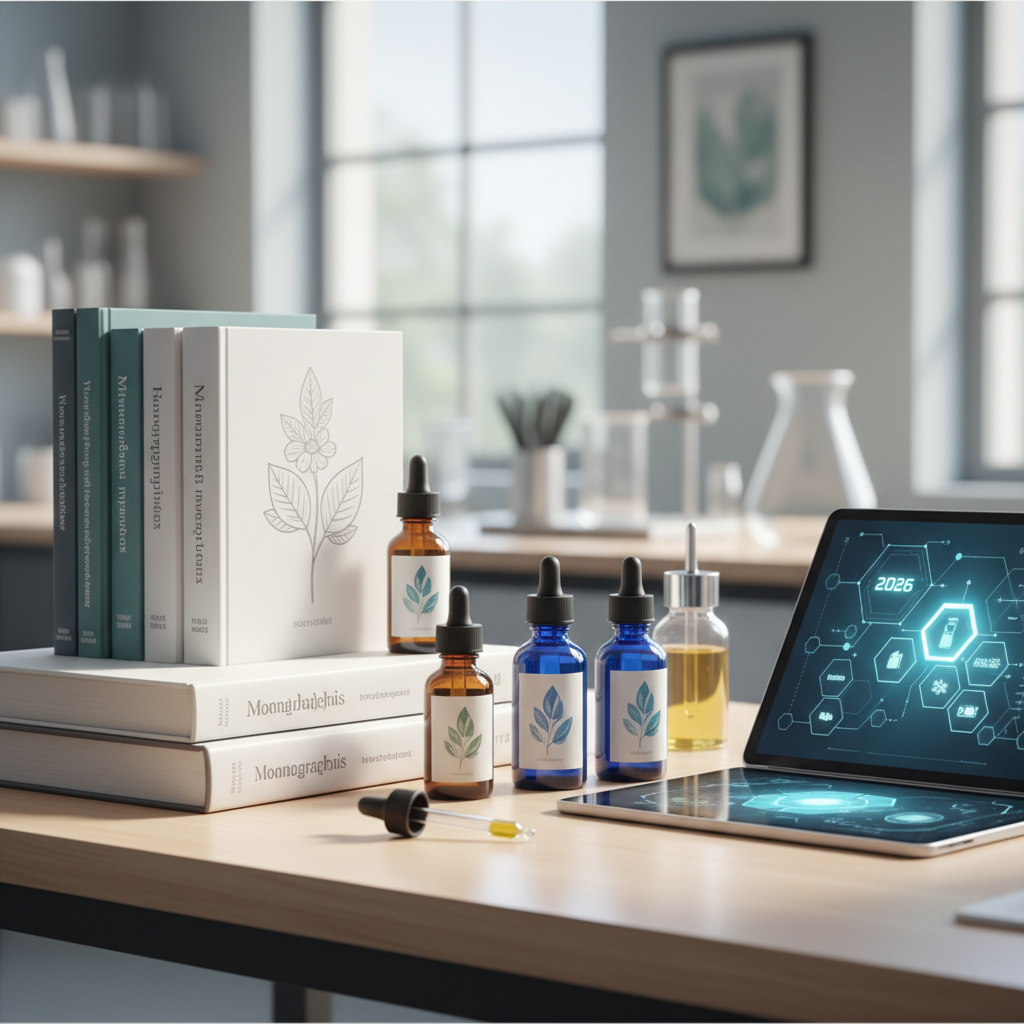
At the fascinating intersection of botanical wisdom and evidence-based medicine, the year 2026 marks a milestone for clinical aromatherapy. With the recent update of PubMed, which now exceeds 40 million biomedical citations, the validation of essential oils has shifted from the anecdotal to the strictly monographic. Today, a healthcare professional or an advanced enthusiast not only seeks a pleasant aroma but analyzes the specific chemotype—that chemical fingerprint defined by the plant's environment—to ensure therapeutic efficacy in pathologies such as Seasonal Affective Disorder or current political anxiety.
Modern scientific monographs emphasize that not all Lavender (Lavandula angustifolia) is the same. While profiles rich in linalool and linalyl acetate are mainstays in aromapsychology for reducing cortisol, the study of their monographs in sources like AromaWeb—with 28 years of rigor—teaches us to differentiate the necessary safety and dilution to avoid adverse effects. Similarly, Tea Tree (Melaleuca alternifolia) remains the gold standard in dermatology thanks to its terpinen-4-ol chemotype, whose antimicrobial activity is more documented than ever in MEDLINE 2026 databases.
On the other hand, oils such as Frankincense (Boswellia carterii) and Peppermint (Mentha x piperita) are redefining mental and physical well-being. Current Tisserand Institute monographs highlight how Frankincense not only acts on a spiritual level but its compounds help regulate the limbic system, while Peppermint, rich in menthol, is consolidated as a critical ally in improving cognitive performance and pain management. The key lies in understanding the pharmacokinetics of these compounds: how they enter our bloodstream and how they interact with our neurology.
Finally, organizations like NAHA (National Association for Holistic Aromatherapy) insist that continuous education is the best tool against misinformation. By consulting scientific monographs, the 2026 user not only learns about benefits but also about planetary sustainability; recent studies show that aromatic plants emit volatile organic compounds that actively contribute to cooling the Earth's climate. Integrating aromatherapy into our lifestyle is no longer just a choice of comfort but an informed, scientific, and ecologically responsible decision.