In the 2026 mental health landscape, the convergence of applied neuroscience and holistic well-being is redefining how we address chronic stress and anxiety. Recent research published in Nature highlights critical discoveries about brain plasticity, revealing that the hippocampus is capable of forming memories and connections at 'the speed of behavior.' This breakthrough is fundamental for biohackers and psychology professionals, as it suggests that real-time interventions can reconfigure neural circuits before anxiety states become consolidated.
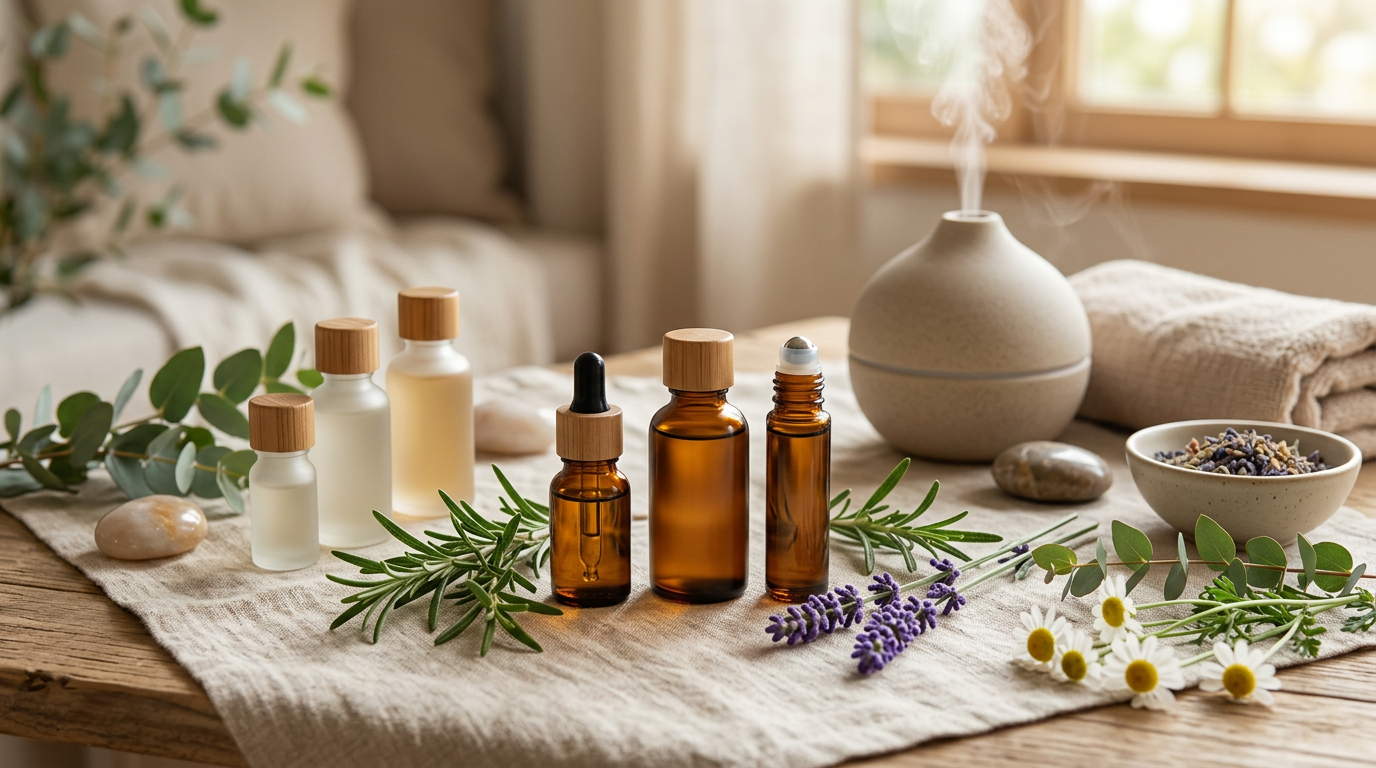
An emerging pillar in this revolution is aromatic biohacking and the neuroscience of smell. Data indicates that behavioral states actively adjust vision and sensory perception, allowing clinical aromatherapy to act as a tactical stimulation tool. By using specific volatile compounds, it is possible to influence the entorhinal cortex and moderate the limbic system's response, facilitating a measurable reduction in cortisol and stabilization of heart rate in patients with acute stress conditions.
Furthermore, science is unveiling the importance of personalized medicine through the study of sex-specific brain reactivity. Findings on neuronal response to substances like psilocybin and the neuroprotective role of elovanoids open the door to synaptic protection protocols after periods of nervous exhaustion. For the clinical psychologist, this means that anxiety treatment is no longer just behavioral but involves biological management of synaptic integrity.
Finally, the integration of passive neurostimulation is showing promising results in modulating systemic inflammation, a key factor in mood disorders. By combining these technologies with the use of bioactive lipids that act at the genetic and protein level, we are entering an era of 'conscious beauty and 2026 revolution,' where mental health is optimized from the brain's chemical infrastructure. The future of biohacking is not just about surviving stress, but about redesigning our neural architecture for absolute resilience.