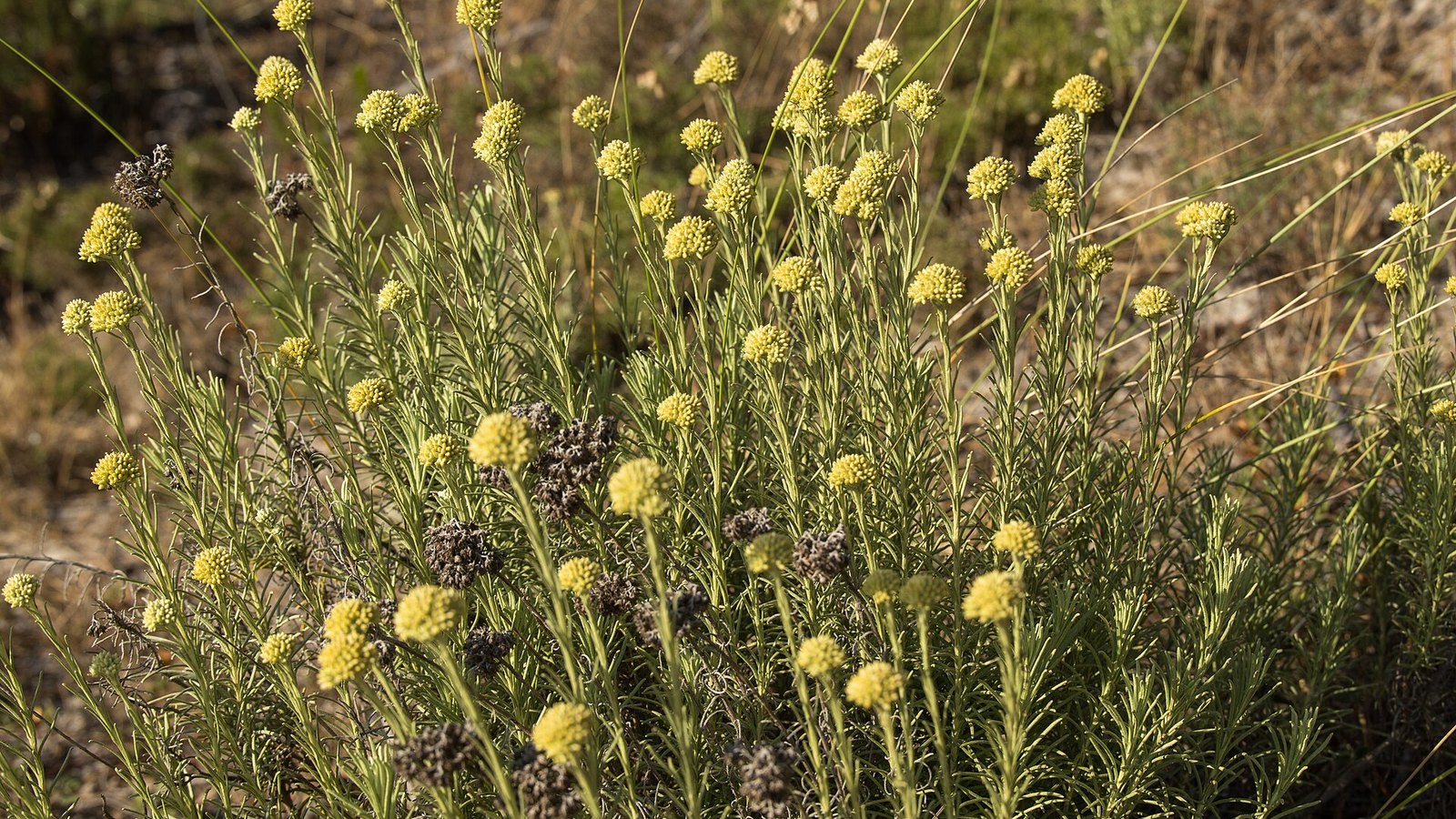
The genus Helichrysum, part of the vast Asteraceae family, comprises a diversity of species, among which Helichrysum italicum stands out as the primary source of helichrysum essential oil. This plant, often called "everlasting" or "immortelle," owes its name to the persistence of its flowers, which retain their color and shape even after drying. Its natural habitat spans the Mediterranean regions, where it thrives in arid, sunny soils, contributing to the rich biodiversity of these ecosystems.
The history of helichrysum use dates back to antiquity. Civilizations like the Greeks already recognized the properties of this plant. Historical records and oral tradition suggest its application in various preparations for skin care and as part of rituals. Harvesting the flowers, often from the wild, was a common practice, and their initial processing likely involved infusion in vegetable oils to extract their beneficial components. This cultural legacy underscores the deep-rooted connection between plants and human well-being throughout history.
Chemical Composition and Extraction
Helichrysum essential oil is primarily obtained by steam distillation of the plant's flowering tops. This process, which requires a considerable amount of plant material to produce a small portion of oil, is fundamental for preserving the integrity of its volatile components. The chemical composition of the oil is complex and variable, influenced by factors such as the Helichrysum subspecies, geography, climate, and harvest time.
Key components include esters, such as neryl acetate, which contribute to its sweet, honey-like aroma, as well as some of its reported properties. It also contains diketones, such as italidiones, which are relatively rare compounds in essential oils and have been a subject of research interest. Other constituents include monoterpenes and sesquiterpenes. This synergy of compounds is what gives helichrysum essential oil its unique profile.
Traditional and Modern Applications
Historically, helichrysum oil has been valued in traditional medicine of the Mediterranean regions. Its use is documented in topical preparations to support skin health and in massages. In contemporary aromatherapy, helichrysum essential oil is appreciated for its complex aromatic profile, encompassing herbaceous, honey-like, and earthy notes, making it a desirable component in diffusion blends and topical formulations.
Its application in skincare products has been explored, with interest in its potential to complement beauty routines. In massages, it is mixed with carrier oils to facilitate its application and absorption. It is important to note that, as with any essential oil, proper dilution is crucial for safe and effective use.
Considerations for Use
When considering the use of helichrysum essential oil, it is fundamental to acquire high-quality products from reputable sources that guarantee the oil's purity and authenticity. Adulteration is a problem in the essential oil market, and an adulterated oil may not offer the same components or even present risks.
Before topical application, it is recommended to perform a patch test on a small skin area to detect possible sensitivities. Dilution with a carrier oil, such as jojoba or sweet almond oil, is standard practice to minimize the risk of irritation. Pregnant or breastfeeding women, young children, and individuals with pre-existing medical conditions should consult a healthcare professional before using essential oils.
Sustainability and Ethics
Growing demand for essential oils has highlighted the importance of sustainable harvesting and production practices. Helichrysum, particularly Helichrysum italicum, is often wild-harvested. Over-exploitation can threaten plant populations and local ecosystems. Therefore, it is crucial to support producers who employ ethical and sustainable cultivation and harvesting methods that respect the environment and ensure the long-term viability of the species.
Ongoing research into helichrysum essential oil contributes to a deeper understanding of its components and potential applications. As science advances, more aspects of this fascinating botanical extract are expected to be elucidated, solidifying its place in the realm of natural wellness.
Frequently Asked Questions
How should helichrysum essential oil be stored?
To preserve its potency, helichrysum essential oil should be stored in a dark glass bottle, tightly sealed, in a cool, dark place, away from direct sunlight and heat sources. This helps protect its volatile components from degradation.
Can helichrysum essential oil be ingested?
Generally, the ingestion of essential oils is not recommended unless under the direct supervision of a qualified healthcare professional and with therapeutic-grade essential oils specifically approved for internal use. Most essential oils are intended for topical or aromatic use.
*What is the difference between Helichrysum italicum and other helichrysum species?*
Although many Helichrysum species exist, Helichrysum italicum is the species most commonly used to produce the essential oil valued in aromatherapy. Other species may have different chemical compositions and, therefore, distinct properties. It is important to verify the botanical species on the product label.
This content is for informational purposes and does not substitute professional medical advice.
FDA Disclaimer: These statements have not been evaluated by the Food and Drug Administration. This product is not intended to diagnose, treat, cure, or prevent any disease.