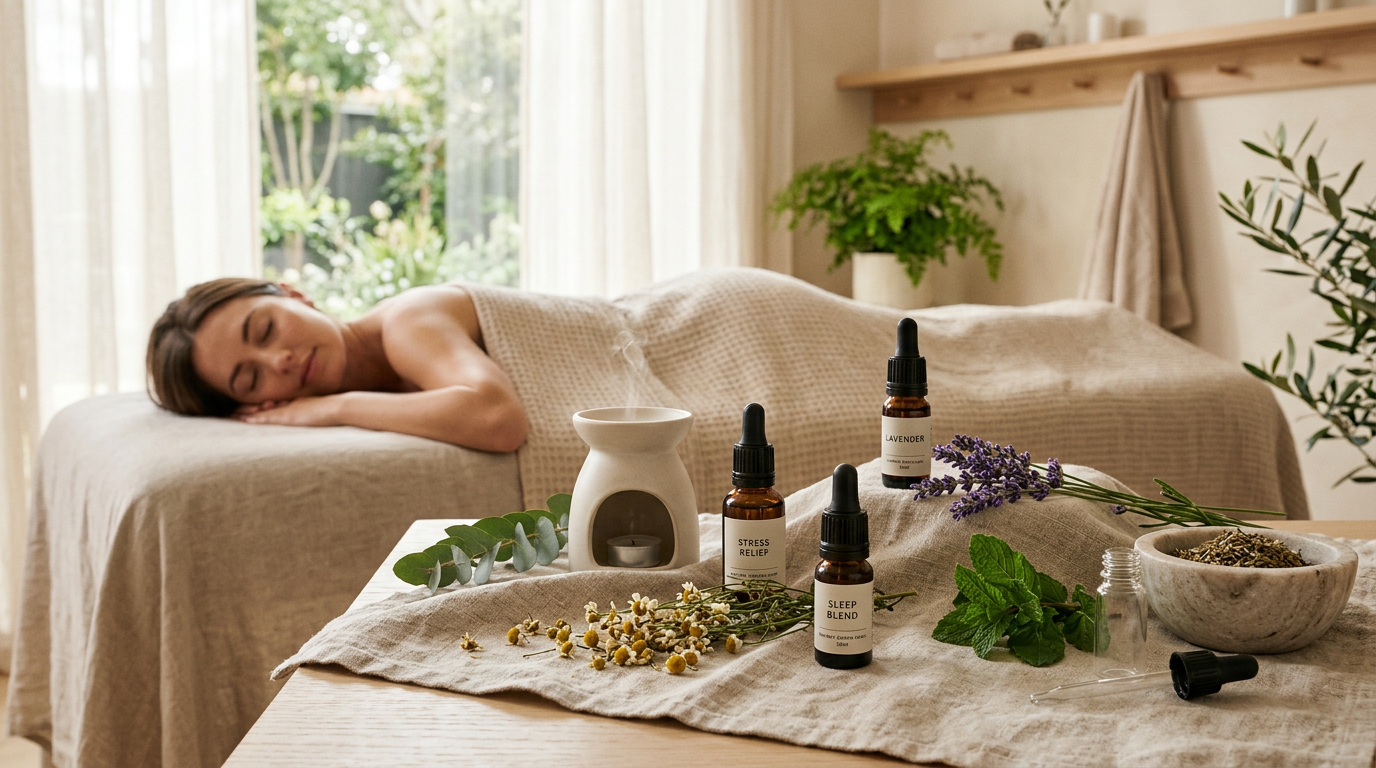
In a world that never stops, where today's news, April 11, 2026, bombards us with the intensity of the Champions League quarterfinals, finding a haven of calm is not a luxury, it's a biological necessity. Current science supports what many intuitively sought: the use of essential oils for stress and aromatherapy for anxiety are not just trends, but evidence-based tools to regulate our nervous system. Recent research highlights that inhaling compounds like linalool (present in lavender) can activate specific neural pathways that reduce cortisol levels, helping to balance our hormones naturally.
One of the most fascinating concepts gaining traction this year is that of the 'aroma anchor'. This involves using essential oils, such as sandalwood or lavender, to create a neurosensory association with calm. By systematically using these aromas during moments of relaxation, our brain learns to 'anchor' itself to that sensation, allowing us to invoke an instant state of peace even on days of high work or personal pressure. It's a simple yet powerful biohacking technique to regain emotional control.
For those struggling with insomnia, essential oils for sleep have become the preferred natural alternative to aggressive pharmacological solutions. Biochemistry experts suggest that sleeping with lavender flowers or using high-quality aromatherapy diffusers can significantly improve sleep architecture. It's not just about falling asleep faster, but about reaching the deep sleep phases necessary for muscle recovery and strengthening the immune system, critical aspects for maintaining optimal performance in our daily lives.
In addition to emotional benefits, aromatherapy offers practical solutions for common physical ailments. The use of certain essential oils has proven to be an ally as a natural headache remedy, alleviating tension without the side effects of common pain relievers. By integrating these elements into our routine — whether through a diffuser at home or a diluted topical application — we are not only scenting our environment but building a comprehensive wellness protocol that protects our mental and physical health in the face of future challenges.