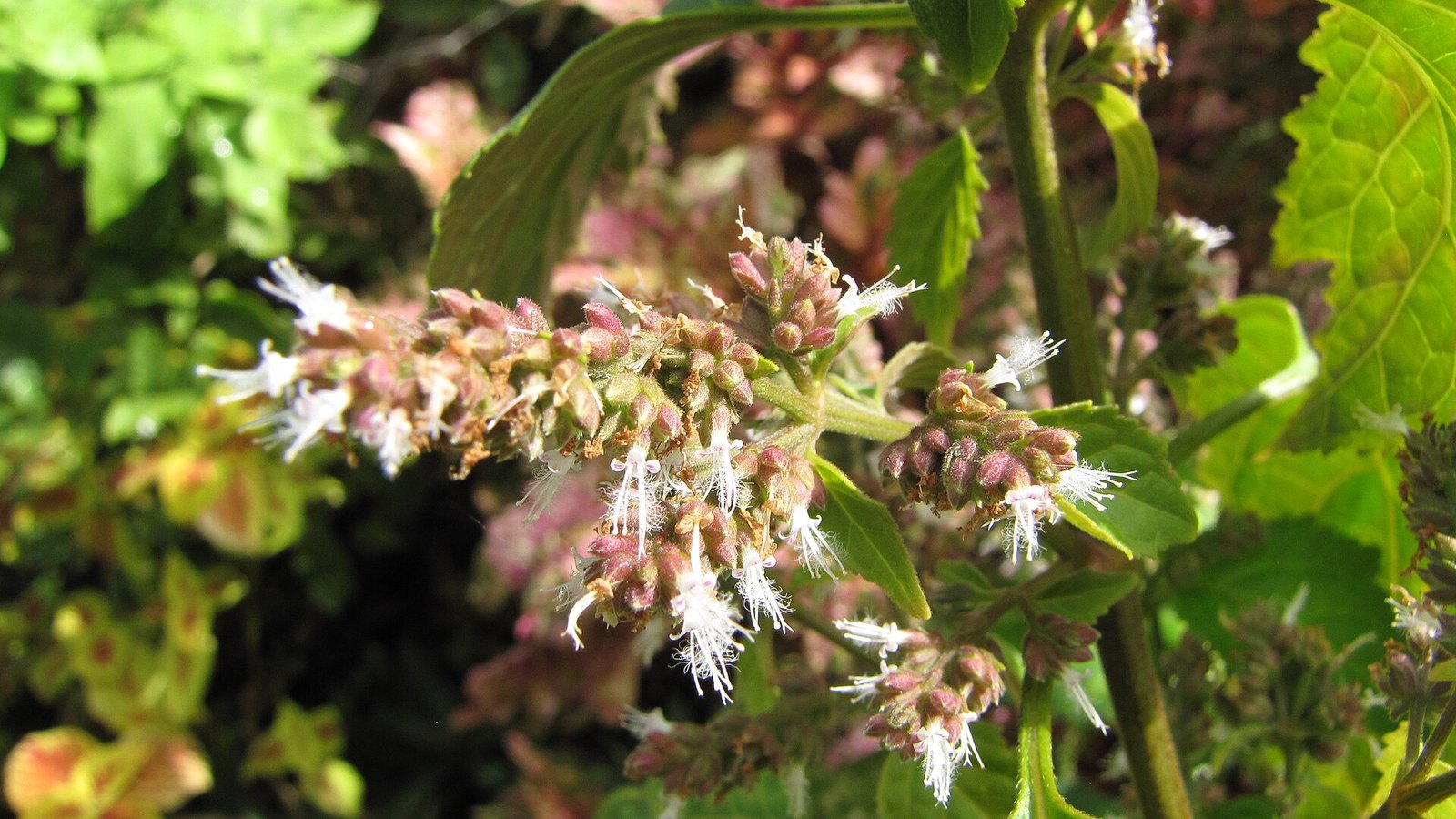
The Pogostemon cablin, commonly known as patchouli, is a bushy plant from the mint family, Lamiaceae, native to the tropical regions of Asia. From its dried and fermented leaves, an essential oil with a distinctive aromatic profile and a rich history across various cultures is obtained through steam distillation. Its aroma, often described as earthy, sweet, woody, and slightly smoky, has positioned it as a valuable component in perfumery and other applications.
Botanical Origin and History of Patchouli
Patchouli has been cultivated and used for millennia. Its name derives from the Tamil words 'patchai' (green) and 'ellai' (leaf). Historically, dried patchouli leaves were used in India and Southeast Asia to perfume fabrics, protect clothing from insects, and as part of traditional medicine. Silk Road traders introduced patchouli to the Middle East and Europe, where it quickly gained popularity. Napoleon Bonaparte is said to have brought patchouli-scented cashmere shawls to France, contributing to its spread among European high society in the 19th century. In the 1960s, patchouli experienced a cultural resurgence, associated with countercultural movements and the search for the natural and exotic.
Chemical Composition and Aromatic Properties
The complexity of patchouli essential oil's aroma is due to its rich chemical composition, dominated by sesquiterpenes. Key components include:
- Patchoulol (patchouli alcohol): This is the most abundant component and primarily responsible for the oil's characteristic earthy and woody aroma. It is also credited with fixative properties in perfumery.
- α-Guaiene: Contributes to woody and slightly sweet notes.
- α-Patchoulene and β-Patchoulene: These sesquiterpenes also influence the overall olfactory profile.
The distillation and aging of the oil can modify its composition and, consequently, its aroma. Well-aged patchouli often develops softer, rounder notes, losing some of its initial harshness.
Traditional Uses and Current Applications
Patchouli essential oil has found applications in various areas throughout history and today:
1. Perfumery and Cosmetics: It is a natural fixative and a popular base note in many fragrances, both masculine and feminine. Its persistent and deep aroma makes it ideal for oriental, chypre, and woody perfumes. It is also used in soaps, lotions, and other cosmetic products for its fragrance.
2. Aromatherapy: In aromatherapy practice, the aroma of patchouli is traditionally associated with relaxation, grounding, and promoting a peaceful environment. It is used in diffusers and massage blends (always diluted in a carrier oil) with the aim of positively influencing mood.
3. Insect Repellent: Historically, patchouli leaves have been used to repel insects. Although not as potent a repellent as other synthetic compounds, some studies suggest that certain components of the oil may have insecticidal and repellent activity against mosquitoes and moths.
4. Skin Care: Due to its aroma and the traditional perception of its properties, it has been incorporated into skin care products, especially in formulations aimed at mature skin or skin with imperfections. It should always be used diluted and after a patch test.
Considerations and Precautions
As with any essential oil, patchouli should be used with caution. It is fundamental to:
- Dilution: Never apply directly to the skin without diluting it in a carrier oil (such as jojoba, almond, or coconut).
- Patch Test: Perform a patch test on a small area of the skin to detect possible allergic reactions before more extensive use.
- Internal Use: Patchouli essential oil is not intended for internal consumption. Ingesting essential oils can be dangerous and should be avoided.
- Pregnancy and Lactation: Pregnant or breastfeeding women should consult a healthcare professional before using any essential oil.
- Product Quality: Opt for pure, therapeutic-grade essential oils from reputable suppliers to ensure the absence of adulterants.
Scientific research on essential oils is an evolving field. While traditional uses and empirical observations exist, it is important to differentiate between anecdotal experience and rigorous scientific evidence.
Frequently Asked Questions about Patchouli Oil
What is the best way to store patchouli essential oil?
It is recommended to store patchouli essential oil in a dark glass bottle, tightly sealed, and in a cool, dark place to protect it from light and heat, which can degrade its components and alter its aroma.
Can patchouli oil be mixed with other essential oils?
Yes, patchouli oil is known for its ability to blend well with a wide range of other essential oils, including citrus (orange, bergamot), floral (rose, geranium), woody (sandalwood, cedar), and spicy (clove, cinnamon), creating complex aromatic synergies.
Does patchouli oil have an energizing or relaxing effect?
Traditionally, in aromatherapy, the aroma of patchouli is more associated with relaxation, grounding, and promoting a calm and meditative atmosphere, helping to soothe the mind and body.
***
FDA Disclaimer: These statements have not been evaluated by the Food and Drug Administration (FDA). This product is not intended to diagnose, treat, cure, or prevent any disease. This content is for informational purposes and is not a substitute for professional medical advice.