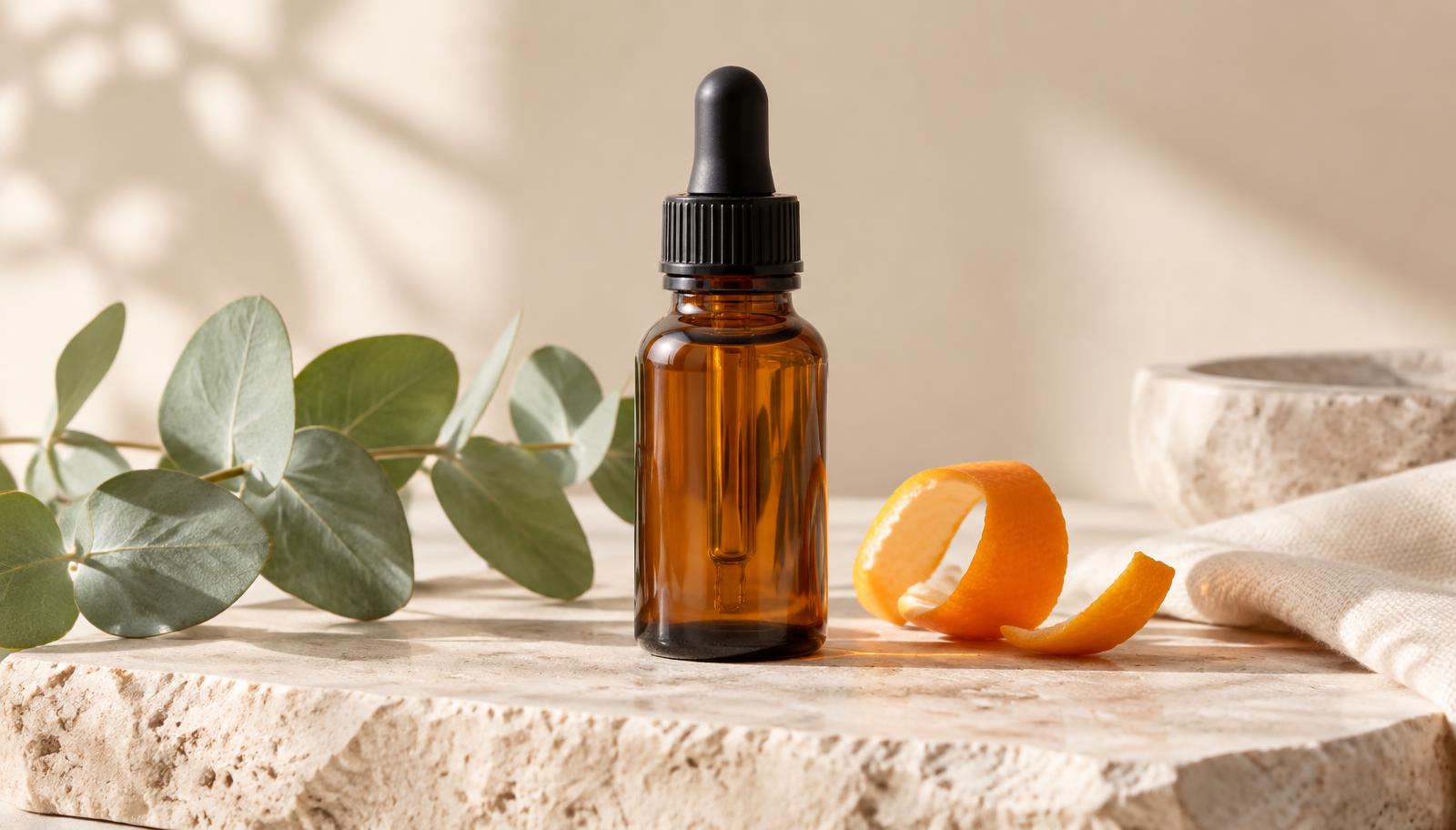
In a world where connection with nature is often sought through modern methods, essential oils have re-emerged as a topic of interest. Among the various brands offering these botanical concentrates, dōTERRA has positioned itself prominently. But what exactly are dōTERRA essential oils and what are the implications of their use?
Since ancient times, various cultures have leveraged the aromatic properties and, at times, topical applications of plant extracts. The distillation of essential oils, as we know it today, has historical roots dating back to ancient civilizations, where plants like myrrh, frankincense, and rose were valued not only for their fragrance but also for their uses in rituals and wellness practices. dōTERRA, founded in 2008, builds upon this long tradition, offering a range of essential oils that, according to the company, meet rigorous standards of purity and potency.
What Distinguishes dōTERRA Essential Oils?
dōTERRA emphasizes a quality standard called CPTG (Certified Pure Tested Grade). This term, coined by the company itself, refers to a testing protocol that, according to dōTERRA, ensures the absence of fillers, contaminants, and the presence of active components in the proper proportions. The process of obtaining these oils involves steam distillation of various plant parts, such as flowers, leaves, stems, roots, and bark, or cold expression, especially for citrus fruits. The quality of an essential oil can be influenced by factors such as the plant species, growing conditions (terroir), harvest method, and distillation process.
Common Application Methods
dōTERRA essential oils are commonly used in three ways:
- Aromatic: By direct inhalation from the bottle, applying a few drops to the palms of the hands for inhalation, or using a diffuser. The inhalation of aromatic compounds can influence the limbic system, a part of the brain associated with emotions, behavior, and memory.
- Topical: Applying the oil directly to the skin. It is essential to dilute most essential oils with a carrier oil, such as fractionated coconut oil, jojoba oil, or almond oil, to minimize the risk of skin irritation. Application areas may include the back of the neck, temples, wrists, or bottoms of the feet.
- Internal: Some dōTERRA oils are marketed as suitable for internal consumption, always in very low doses and diluted. However, this method of administration is the most controversial and requires a deep understanding of the oil's chemistry and potential interactions. It is crucial to consult a healthcare professional before considering the ingestion of any essential oil.
Popular Essential Oils and Their Traditional Uses
The dōTERRA oil range includes a variety of options, each with unique chemical profiles and traditional uses:
- Lavender (Lavandula angustifolia): Known for its calming and relaxing properties. Often used to create an environment conducive to rest.
- Lemon (Citrus limon): Valued for its uplifting and purifying aroma. Can be used in diffusers to freshen the air.
- Peppermint (Mentha piperita): Appreciated for its refreshing and invigorating sensation. Traditionally used to relieve tension or for an energy boost.
- Tea Tree (Melaleuca alternifolia): Recognized for its cleansing properties. Commonly used in household cleaning or skin care.
- Frankincense (Boswellia carterii): Considered the “king of oils” by many, valued for its broad applications, from meditation to skin care.
It's important to remember that the perceived effects of essential oils are subjective and can vary among individuals. Scientific research on essential oils is an evolving field, and while promising studies exist, more evidence is needed to substantiate many popular claims.
Important Precautions and Considerations
The use of essential oils, even high-quality ones like dōTERRA's, is not without risks. Some key precautions include:
- Dilution: Always dilute oils with a carrier oil before topical application, especially on sensitive skin, children, the elderly, and pregnant women.
- Sensitivity: Perform a patch test on a small area of the skin before applying a new oil extensively.
- Photosensitivity: Some citrus oils can cause photosensitivity. Avoid sun exposure or tanning beds for at least 12-24 hours after topical application of these oils.
- Pregnancy and Lactation: Consult with a healthcare professional before using essential oils during pregnancy or lactation.
- Children: Use with extreme caution and always under adult supervision, with much greater dilution.
- Interactions: Essential oils can interact with medications. It is vital to inform your doctor about any use of essential oils.
Safety is paramount. Proper education and respect for the potency of these botanical concentrates are fundamental for responsible use.
Frequently Asked Questions (FAQ)
Are dōTERRA essential oils safe to ingest?
Some dōTERRA oils are marketed as suitable for internal consumption, but this should be done with extreme caution and only under the guidance of a qualified healthcare professional. Ingesting essential oils can be dangerous if not done correctly, due to their high concentration.
How should I store my dōTERRA essential oils?
Essential oils should be stored in dark glass bottles, in a cool, dark place, away from direct sunlight and heat sources. This helps preserve their potency and prevent oxidation.
Can I use dōTERRA essential oils on pets?
The use of essential oils on pets should be approached with great caution. Animals, especially cats, are very sensitive to many chemical compounds present in essential oils. Always consult a veterinarian experienced in animal aromatherapy before using any essential oil on your pets.
This content is informative and does not substitute professional medical advice.
FDA Disclaimer:
Statements made about dōTERRA essential oils have not been evaluated by the U.S. Food and Drug Administration (FDA). These products are not intended to diagnose, treat, cure, or prevent any disease. The information provided in this article is for educational purposes and should not be interpreted as medical advice. Always consult a qualified healthcare professional before starting any new wellness regimen or if you have any medical concerns.