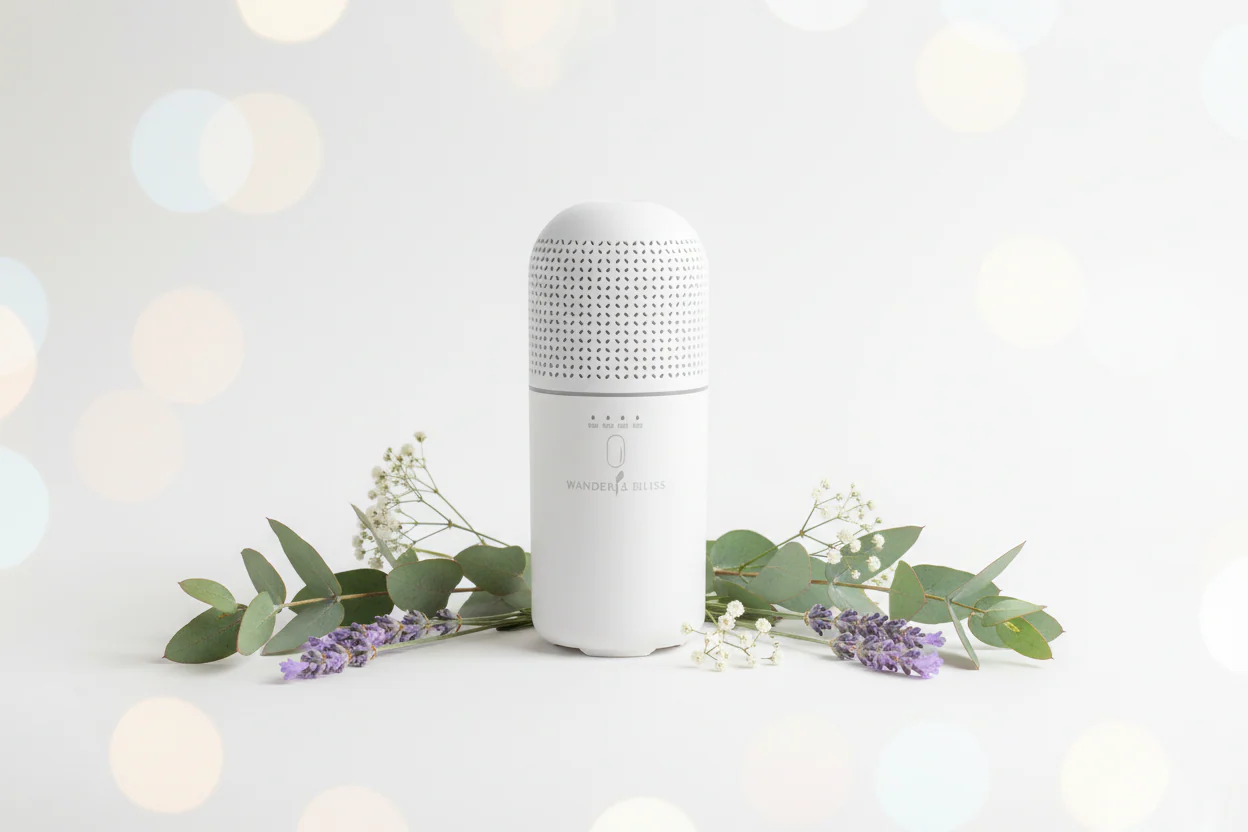
Essential Oils in the Diffuser: A Detailed Guide for Safe and Effective Aromatherapy
Introduction: The Art of Aromatic Diffusion
Welcome to your sensory journey with essential oils and diffusers. You've taken the first step towards a dimension of well-being where nature harmoniously integrates into your home. It's common for key questions to arise when you acquire your first diffuser: "How many drops should I add?", "What is the optimal diffusion time?", or "Can I combine different essential oils?". This comprehensive guide, meticulously prepared by Esseniq, is designed to dispel any doubts and provide you with the precise knowledge to optimize your experience with Young Living essential oils, ensuring safe, effective, and therapeutically potent diffusion.
Using a diffuser with pure essential oils transcends mere room aromatization. Approximately 85% of inhaled aromatic molecules directly access the brain through the olfactory bulb, impacting the limbic system — the center of our emotions, memory, and motivation. This direct connection allows essential oils to exert modulating effects on stress, mood, concentration, sleep, and even physiological functions. Correct diffusion is, therefore, a holistic well-being practice that, unlike synthetic air fresheners or combustible scented candles, does not introduce toxins or harmful byproducts into your environment.
With this guide, we will empower you to transform your home into an olfactory sanctuary, maximizing the benefits of every drop of essential oil.
Physiology and Pharmacodynamics of Diffusion Aromatherapy
When essential oils are diffused into the air, their volatile molecules are inhaled and processed by our olfactory and respiratory systems, triggering a series of physiological responses.
Olfactory Pathway: The Direct Mind-Body Connection
1. Olfactory Receptors: Essential oil molecules (monoterpenic, sesquiterpenic compounds, aldehydes, esters, etc.) are detected by olfactory receptors located in the upper part of the nasal cavity. These receptors are primary sensory neurons.
2. Olfactory Bulb: Once activated, the receptors send electrical signals directly to the olfactory bulb, a neural structure located just above the nostrils.
3. Limbic System: From the olfactory bulb, signals project to the brain's limbic system, which includes the amygdala (emotions, stress, fear), the hippocampus (memory), and the hypothalamus (hormonal regulation, body temperature, hunger, thirst). This connection explains why aromatherapy can profoundly influence mood, memory, and emotional responses.
4. Cerebral Cortex: Signals also reach the olfactory cortex and other areas of the cerebral cortex, allowing for conscious perception of the aroma and its association with experiences or memories.
Pulmonary and Systemic Pathway: Absorption into the Bloodstream
1. Respiratory Tract: Upon inhalation, essential oil microparticles travel through the trachea and bronchi to the pulmonary alveoli.
2. Gas Exchange: In the alveoli, molecules pass through the alveolar and capillary membranes and enter directly into the bloodstream.
3. Systemic Distribution: Once in the blood, the compounds are transported throughout the body, reaching organs and tissues where they can exert their therapeutic effects, such as immune support (e.g., 1,8-cineole from eucalyptus), modulation of inflammatory processes (e.g., β-caryophyllene from copaiba), or neuroprotective effects.
Pharmacodynamics of Key Oils (Examples)
- Lavender (Lavandula angustifolia): Its main component, linalyl acetate, possesses anxiolytic properties by interacting with GABA receptors, promoting relaxation. Linalool exerts sedative and anticonvulsant effects.
- Peppermint (Mentha x piperita): Menthol activates TRPM8 receptors, producing a cooling sensation and can relieve headaches through vasoconstriction. It also has antimicrobial properties due to its aldehydes and ketones.
- Lemon (Citrus limon): Rich in limonene, known for its mood-lifting, stimulating, and antiviral effects. Limonene can modulate acetylcholinesterase enzyme activity and have immunomodulatory properties.
- Frankincense (Boswellia carterii): Its α-pinene and incensol octanoate are anti-inflammatory and anxiolytic, acting on cytokines and neurotransmitters.
Modern science increasingly validates the efficacy of aromatherapy, demonstrating that diffusion is not just a pleasant experience, but an effective way to influence our biochemistry and well-being.
Types of Diffusers: Selecting the Optimal Wellness Tool
Choosing the right diffuser is a critical decision that directly impacts the quality and efficacy of your aromatic experience. Knowing the different types will allow you to select the one that best fits your needs and therapeutic goals.
1. Ultrasonic Diffuser (The Gold Standard for Home Use)
Mechanism of Action: These diffusers use a small ceramic disk (ultrasonic transducer) that vibrates at an extremely high frequency. These vibrations break down water and essential oil molecules into a very fine mist that is released into the air. Since no heat is involved to alter the molecular composition, the therapeutic integrity of the oils is preserved.
Key Benefits:
- Preservation of Properties: By not using heat, the volatile components of essential oils maintain their chemical structures intact and, therefore, their therapeutic properties.
- Light Humidification: They add subtle humidity to the environment, which is beneficial in dry climates or with heating/air conditioning that dries out mucous membranes.
- Versatility and Convenience: They are quiet, easy to use, clean, and many models offer additional features like LED lights or programmable timers.
- Cost-Effectiveness: They offer an excellent quality-price ratio, making them accessible to most users.
Considerations:
- They require water, which can slightly dilute the aromatic potency compared to nebulizers.
- They require regular cleaning to prevent the buildup of oil residue and limescale.
Recommended Use: Ideal for beginners, for home environments such as bedrooms and living rooms, and for a constant and gentle aromatic experience.
2. Nebulizing Diffuser (Maximum Therapeutic Concentration)
Mechanism of Action: This type of diffuser, often considered the most powerful for therapeutic purposes, uses an air pump that creates a high-velocity stream to atomize pure essential oil (without water or heat) into microparticles that disperse into the air.
Key Benefits:
- Maximum Therapeutic Potency: Since they are not diluted with water, the concentration of aromatic compounds in the air is significantly higher, maximizing medicinal effects.
- Pure Air: Does not add humidity to the environment.
- Extensive Coverage: They are highly effective for scenting large spaces or for intensive treatments.
Considerations:
- Higher Oil Consumption: Due to their power, they consume more essential oil.
- Noise Level: The air motor can generate audible noise, although in modern models this is increasingly lower.
- Higher Cost: Generally more expensive than ultrasonic diffusers.
- Specific Maintenance: They require more careful and frequent cleaning because they diffuse pure oil.
Recommended Use: For therapists, clinics, professional spaces requiring intense aromatherapy, or for individuals seeking the maximum therapeutic impact of essential oils.
3. Evaporative Diffuser (Portable Simplicity)
Mechanism of Action: They work by impregnating a pad or filter with essential oil, and then, using a fan or natural airflow, the evaporation of the molecules is accelerated.
Key Benefits:
- Extremely Economical: They are the most affordable option.
- Maximum Portability: Many are small and work with USB or batteries, ideal for cars or desks.
- Quiet: Models without a fan are completely silent.
Considerations:
- Altered Aromatic Profile: The most volatile components of the oil evaporate first, which can alter the balance and depth of the aroma.
- Lower Therapeutic Efficacy: Potency and concentration are limited.
- Reduced Range: Suitable only for very small spaces.
Recommended Use: For scenting very small personal spaces (car, office) or as a temporary and economical solution.
4. Heat Diffuser (Mainly Decorative)
Mechanism of Action: They use a heat source (electric or a candle) to heat the essential oil and promote its evaporation. Essential oil burners are the most common example.
Key Benefits:
- Pleasant Aesthetics: Many designs are decorative.
- Quiet: They have no moving parts.
Considerations:
- Thermal Degradation: Heat can alter and degrade the delicate chemical components of essential oils, significantly reducing or eliminating their therapeutic properties.
- Safety: Candle burners pose fire or burn risks.
- Limited Efficacy: Primarily for olfactory enjoyment, not for therapeutic benefits.
Recommended Use: Exclusively for decorative use or for scenting spaces with fragrance oils (non-essential) where health benefits are not sought. Not recommended for aromatherapy with pure essential oils.
---
Our Esseniq Recommendation: If you are embarking on your aromatic wellness journey, an ultrasonic diffuser with a capacity of 150-300 ml and a timer is the optimal choice. It offers a perfect balance between therapeutic efficacy, ease of use, safety, and affordability. For those seeking maximum potency and purity, the nebulizer is, without a doubt, the superior option, although with higher maintenance and cost requirements.
Practical Guide: How to Use Your Esseniq Ultrasonic Diffuser
The ultrasonic diffuser is the fundamental tool for aromatic well-being at home. Follow these steps for an optimal and safe experience.
Step 1: Strategic Placement
Correct placement of your diffuser is key to maximizing aroma distribution and therapeutic benefits.
- Stable and Suitable Surface: Place it on a flat, water-resistant surface at an intermediate height (e.g., a nightstand, shelf, or coffee table). Avoid the floor, as the mist will rise and not disperse optimally.
- Distance from Sensitive Items: Maintain a safe distance from electronic devices, books, important documents, sensitive plants, or untreated wooden furniture, as the slight humidity of the mist could affect them.
- Centralization or Proximity: For general diffusion, place it in the center of the room. If you are looking for a more direct personal effect (e.g., to aid sleep), place it near your bed or workspace.
Step 2: Filling the Water Tank
The quality and quantity of water are crucial for the proper functioning and longevity of your diffuser.
- Access to the Tank: Remove the top cover and, if applicable, the inner tank cover.
- Precise Quantity: Fill the tank with water up to the indicated mark (usually a red line or stopper). Never exceed this line to avoid spills and ensure the correct functioning of the ultrasonic membrane.
- Type of Water:
- Tap Water: Is suitable in most cases.
- Distilled or Filtered Water: Recommended if you live in an area with very hard water (high concentration of limescale or minerals), as it prevents the accumulation of deposits on the ultrasonic disk, prolonging the life of the diffuser and maintaining the purity of the aroma.
- Temperature: Preferably use room temperature water. Very cold or very hot water can affect the diffuser's performance or the dispersion of the oils.
Step 3: Precise Dosing of Young Living Essential Oils
Less is more" is the mantra in aromatherapy. The concentration and type of oil dictate the quantity.
- Golden Rule: Start with 3-5 drops of essential oil per 100 ml of water capacity of your diffuser.
- 100 ml Diffuser: 3-5 drops
- 200 ml Diffuser (most common): 6-10 drops
- 300 ml Diffuser: 9-12 drops
- 500 ml Diffuser: 12-15 drops
- Adjustment for Oil Intensity:
- Intensely/Potently Scented Oils (e.g., Ylang Ylang—Cananga odorata, Vetiver—Vetiveria zizanioides, Peppermint—Mentha x piperita, Clove—Syzygium aromaticum, Cinnamon—Cinnamomum zeylanicum): Start with half the recommended drops (e.g., 1-2 drops per 100 ml) and adjust according to your olfactory preference and tolerance.
- Mildly Scented/Citrus Oils (e.g., Sweet Orange—Citrus sinensis, Lemon—Citrus limon, Lavender—Lavandula angustifolia, Copaiba—Copaifera reticulata): You can use the upper range of the recommended drops (e.g., 4-5 drops per 100 ml).
- Personal Experimentation: Aroma perception is subjective. Start with the minimum dose and gradually increase until you find your comfort level. Remember that olfactory fatigue can make you stop perceiving the aroma, but the oil is still active in the environment.
Step 4: Configuration and Power On
Once filled and dosed, your diffuser is ready to transform the environment.
- Secure Closure: Replace the inner tank cover and the top cover of the diffuser, ensuring they fit correctly.
- Electrical Connection: Connect the diffuser to the power outlet.
- Mode Selection:
- Continuous: The diffuser will emit mist continuously until the water runs out or the programmed time is reached.
- Intermittent: Many models offer "on/off" cycles (e.g., 30 seconds on, 30 seconds off). This mode is highly recommended, as it is more oil-efficient, prevents olfactory saturation, and extends the life of the diffuser and the oil.
- Timer: If your diffuser has a timer (e.g., 1h, 2h, 4h), use it. For most therapeutic uses, 30 to 60-minute sessions are ideal.
- Power On: Press the power button and enjoy the aromatic mist.
Step 5: Power Off and Post-Use Emptying
Proper post-diffusion management is part of essential maintenance.
- Do Not Diffuse Continuously: Avoid leaving the diffuser on for prolonged periods or overnight. Proper use involves breaks.
- Immediate Emptying: Once the diffusion session is complete, unplug the diffuser and empty any residual water from the tank. Do not allow water with oil residues to remain in the diffuser for hours, as it can encourage bacterial growth and residue accumulation.
- Drying: Use a soft, clean cloth to dry the inside of the tank and the lid.
By following these meticulous steps, you will establish a diffusion routine that is not only effective for well-being but can also promote the maximum longevity and performance of your Young Living diffuser.
Diffusion Times: The Secret to Optimal Effectiveness
The key to effective and safe aromatherapy lies in the principle of “less is more” and intermittent diffusion.
- Short, Precise Sessions: For most therapeutic goals, 30 to 60-minute sessions are most effective. This time allows essential oil molecules to reach the olfactory and limbic systems to initiate a response, without saturating the environment.
- Olfactory Fatigue: It is crucial to understand that your olfactory system quickly adapts to stimuli. After 15-20 minutes, you may no longer perceive the aroma so intensely. This is known as olfactory fatigue or sensory adaptation. It does not mean that the diffuser has stopped working or that you need to add more drops. The molecules are still present in the air, and your receptors continue to process them at a subconscious level. Increasing the dose at this point would only lead to overexposure.
- Mandatory Rest Periods: After a 30-60 minute session, it is imperative to turn off the diffuser for at least 30-60 minutes (or more). During this time, the olfactory receptors “recalibrate,” which increases sensitivity and effectiveness in the next session. Intermittent diffusion is superior to continuous diffusion for this reason.
- Nighttime Use: If you use the diffuser to promote sleep, turn it on about 30 minutes before going to bed and turn it off when you get into bed or set the timer. Avoiding prolonged diffusion all night prevents saturation and possible rebound effects (agitation, headache).
- Work/Study Environments: Implement a pattern of “30 minutes on / 60-90 minutes off.” This maintains a constant level of stimulation without causing sensory fatigue.
Why avoid prolonged diffusion?
Overexposure can cause:
- Headaches: Especially with intense oils like Peppermint.
- Mucous membrane irritation: Nose, throat, or dry eyes in highly concentrated environments.
- Paradoxically, Reduced Effectiveness: The body and mind get used to it, decreasing the therapeutic response.
- Oil Waste: You will not get additional benefits by using more oil or diffusing for longer; quite the opposite.
Intermittent and conscious diffusion is the smartest strategy to maximize the power of your essential oils in the diffuser, ensuring safety, efficacy, and respect for their delicate therapeutic components.
ESSENIQ Diffuser Recipes: Therapeutic Blends
These recipes are formulated for a diffuser with a 200 ml tank. Adjust the drops proportionally if your diffuser is a different size. All oils are from Young Living, ensuring purity and therapeutic quality.
1. **"Mental Serenity" Blend: For Calm and Emotional Balance**
- Objective: Reduce anxiety, stress, and promote a state of peace.
- Ingredients:
- 5 drops of Lavender (Lavandula angustifolia) - main component: Linalool, Linalyl Acetate. Mechanism: GABAA agonist, anxiolytic.
- 3 drops of Frankincense (Boswellia carterii) - main component: Alpha-Pinene, Incensol Octanoate. Mechanism: neuroprotective, anxiolytic, modulates inflammatory response.
- 2 drops of Bergamot (Citrus bergamia) - main component: Limonene, Linalyl Acetate. Mechanism: mood elevator, reduces CNS activity.
- Application Instructions:
1. Fill the diffuser with 200 ml of distilled water.
2. Add the drops of essential oils.
3. Diffuse in intermittent mode (if available) for 30-45 minutes in your living room, bedroom, or meditation space.
4. Use in the evening or before bed.
2. **"Citrus Focus" Blend: For Concentration and Mental Clarity**
- Objective: Improve concentration, memory, and mental energy, combat cognitive fatigue.
- Ingredients:
- 4 drops of Lemon (Citrus limon) - main component: Limonene. Mechanism: CNS stimulant, improves mood.
- 3 drops of Peppermint (Mentha x piperita) - main component: Menthol, Menthone. Mechanism: activates TRPM8, brain stimulant, improves alertness.
- 2 drops of Rosemary (Rosmarinus officinalis qt. cineol) - main component: 1,8-Cineole, Alpha-Pinene. Mechanism: CNS stimulant, improves memory and alertness.
- Application Instructions:
1. Fill the diffuser with 200 ml of water.
2. Add the essential oil drops.
3. Diffuse in intermittent mode for 20-30 minutes in your office, study, or workspace.
4. Use in the morning or early afternoon when you need a cognitive boost.
3. **"Pure Breath" Blend: For Respiratory Support and Air Purification**
- Objective: Clear airways, relieve congestion, purify the environment from germs.
- Ingredients:
- 4 drops of Eucalyptus Radiata (Eucalyptus radiata) - main component: 1,8-Cineole. Mechanism: mucolytic, expectorant, antimicrobial.
- 3 drops of Ravintsara (Cinnamomum camphora qt. cineol) - main component: 1,8-Cineole, Sabinene. Mechanism: antiviral, expectorant, immunostimulant.
- 3 drops of Thieves® Blend (Young Living) - a proprietary blend with Clove, Lemon, Cinnamon Bark, Eucalyptus Radiata, and Rosemary.
- Application Instructions:
1. Fill the diffuser with 200 ml of water.
2. Add the essential oil drops.
3. Diffuse in intermittent mode for 30-45 minutes in a central area of the house or in the bedroom (NOT in the room of children under 6 years old).
4. Use during the day or night when you need respiratory support or want to purify the air.
4. **"Dreamy Nights" Blend: For Deep and Restorative Sleep**
- Objective: Induce relaxation, calm the mind, and promote restorative sleep.
- Ingredients:
- 4 drops of Lavender (Lavandula angustifolia) - main component: Linalool, Linalyl Acetate. Mechanism: anxiolytic, sedative, reduces sleep latency.
- 3 drops of Cedarwood (Cedrus atlantica) - main component: Himachalene. Mechanism: sedative, helps release melatonin from the pineal gland.
- 2 drops of Vetiver (Vetiveria zizanioides) - main component: Vetiverol. Mechanism: highly sedative, reduces anxiety and insomnia.
- Application Instructions:
1. Fill the diffuser with 200 ml of water.
2. Add the essential oil drops.
3. Diffuse in intermittent mode for 30 minutes in the bedroom, starting 30-45 minutes before bedtime. Turn off before getting into bed to avoid saturation.
4. Repeat nightly as needed.
Oils to Avoid in Diffusion (Specific Precautions)
While most essential oils are safe for diffusion when used correctly, there are some exceptions and important considerations.
- ❌ Highly Concentrated Phenolic Oils: Oils like Oregano (Origanum vulgare) or Thyme (Thymus vulgaris qt. thymol) are extremely potent and can irritate respiratory mucous membranes if diffused in high concentrations or for prolonged periods, especially in sensitive individuals or those with respiratory conditions. It is best to use them topically (diluted) or in diffusion in very minimal quantities and in very large spaces (1 drop per 200 ml in a well-ventilated area).
- ❌ Dermocaustic/Irritating Oils by Concentration: Some oils like Cinnamon (Cinnamomum zeylanicum) or Clove (Syzygium aromaticum) are very warm and potent. Although they can be part of blends like Thieves® (where they are well-balanced), diffusing them pure or in high concentration can be irritating to the respiratory tract.
- ❌ Photosensitizing Oils in Prolonged Diffusion: Although phototoxicity is primarily a risk with topical application and direct sun exposure, prolonged and repeated exposure in enclosed environments could, in theory, have a cumulative effect. This is more of a warning for extreme caution, but oils like Exotic Verbena (Litsea cubeba) or some cold-pressed Citrus oils (Bergamot, Lemon, Lime, Grapefruit) can be photoactive. For diffusion, steam-distilled citrus oils or cold-pressed methods with low furanocoumarin content can be used more safely. Young Living strives to minimize photosensitive components.
- ❌ Oils Unsuitable for Certain Populations:
- Babies (< 3 months): AVOID diffusing any essential oil in their environment. Their respiratory system is immature and highly sensitive.
- Young Children (< 6 years): AVOID peppermint, eucalyptus globulus, rosemary camphor chemotype in high concentrations. Opt for Eucalyptus Radiata (Eucalyptus radiata), Tea Tree (Melaleuca alternifolia), Lavender (Lavandula angustifolia), Sweet Orange (Citrus sinensis).
- Pregnant/Lactating Women: Some oils are contraindicated or should be used with extreme caution (e.g., Sage, Rosemary camphor chemotype, Peppermint in large quantities). Always consult a qualified healthcare professional.
- Pets (especially cats and birds): AVOID peppermint, eucalyptus, tea tree, pine, fir, citrus oils in the presence of cats. Their livers lack the glucuronidase enzyme necessary to metabolize terpenes, which can lead to severe toxicity. Always offer an exit from the room for the pet.
Golden Rule: Always observe and listen to the reactions of your body and those around you. If there is irritation, discomfort, or headache, reduce the dose, shorten the diffusion time, or discontinue use.
Esseniq Diffusion Protocol for Various Scenarios
The application of essential oils in the diffuser can be adapted to different times of day and needs, optimizing their effect.
Daily Wellness Routine with Diffuser
| Time of Day | Objective | Recommended Essential Oils (for 200 ml) | Duration |
| :-------------- | :------- | :-------------------------------------------- | :------- |
| Morning (upon waking) | Energy & Focus | 4 drops Lemon (Citrus limon) + 3 drops Peppermint (Mentha x piperita) + 2 drops Rosemary (Rosmarinus officinalis qt. cineol) | 30 min |
| Mid-morning (work/study) | Sustained Concentration| 5 drops Sweet Orange (Citrus sinensis) + 3 drops Frankincense (Boswellia carterii) | 45 min (intermittent mode) |
| Afternoon (Post-work, pre-dinner) | Relieve Stress / Purify | 4 drops Sweet Orange (Citrus sinensis) + 4 drops Copaiba (Copaifera reticulata) | 30 min |
| Night (before sleep) | Deep Relaxation | 5 drops Lavender (Lavandula angustifolia) + 3 drops Cedarwood (Cedrus atlantica) + 2 drops Vetiver (Vetiveria zizanioides) | 30 min (turn off when going to bed) |
Specific Situational Protocol
Protocol for Congestion Relief During Cold Season
- Acute Phase (first symptoms):
- Morning & Evening: Diffuse 4 drops of Thieves® Blend + 3 drops of Eucalyptus Radiata (Eucalyptus radiata) + 2 drops of Lemon (Citrus limon) in the living room or common area.
- Night: Diffuse 3 drops of Ravintsara (Cinnamomum camphora qt. cineol) + 3 drops of Lavender (Lavandula angustifolia) in the bedroom (move away from the bed if not well tolerated due to congestion).
- Duration: 45-60 minutes per session, 3-4 times a day, with a 2-3 hour interval between diffusions. Ensure good ventilation.
- Subacute Phase (recovery):
- Morning: 4 drops of Lemon (Citrus limon) + 3 drops of Copaiba (Copaifera reticulata) for immune support and uplifted mood.
- Night: 5 drops of Lavender (Lavandula angustifolia) to promote rest and cellular repair.
- Duration: 30 minutes per session, twice a day.
- Prevention/Maintenance (general well-being):
- Diffuse 5 drops of Thieves® Blend ORB (lemon, clove, cinnamon, eucalyptus radiata, rosemary) 2-3 times a week in common areas to keep the air purified and the immune system alert.
- Duration: 45 minutes.
Protocol for High Stress Moments or Pre-Exam
- Initial Phase (anticipation of stress):
- Morning: 4 drops of Lemon (Citrus limon) + 3 drops of Peppermint (Mentha x piperita) to maintain focus and reduce mental fog associated with stress.
- Afternoon: 5 drops of Sweet Orange (Citrus sinensis) + 3 drops of Frankincense (Boswellia carterii) to calm the central nervous system and reduce worry.
- Duration: 30-40 minutes per session, 2-3 times a day.
- Acute Phase (just before or during the stressful event):
- Preparation: Diffuse 5 drops of Lavender (Lavandula angustifolia) + 3 drops of Bergamot (Citrus bergamia) to induce a state of deep calm.
- Post-Stress: After the event, diffuse 4 drops of Frankincense (Boswellia carterii) + 3 drops of Sandalwood (Santalum album) to anchor and restore peace.
- Duration: 20-30 minutes, as needed.
- Recovery/Maintenance:
- Implement the "Mental Serenity" or "Dreamy Nights" blend daily to ensure emotional balance and adequate rest.
- Duration: 30-45 minutes a day.
This structured approach allows for conscious utilization and maximizes the therapeutic benefits of each essential oil in the diffuser, adapting to the changing needs of daily life.