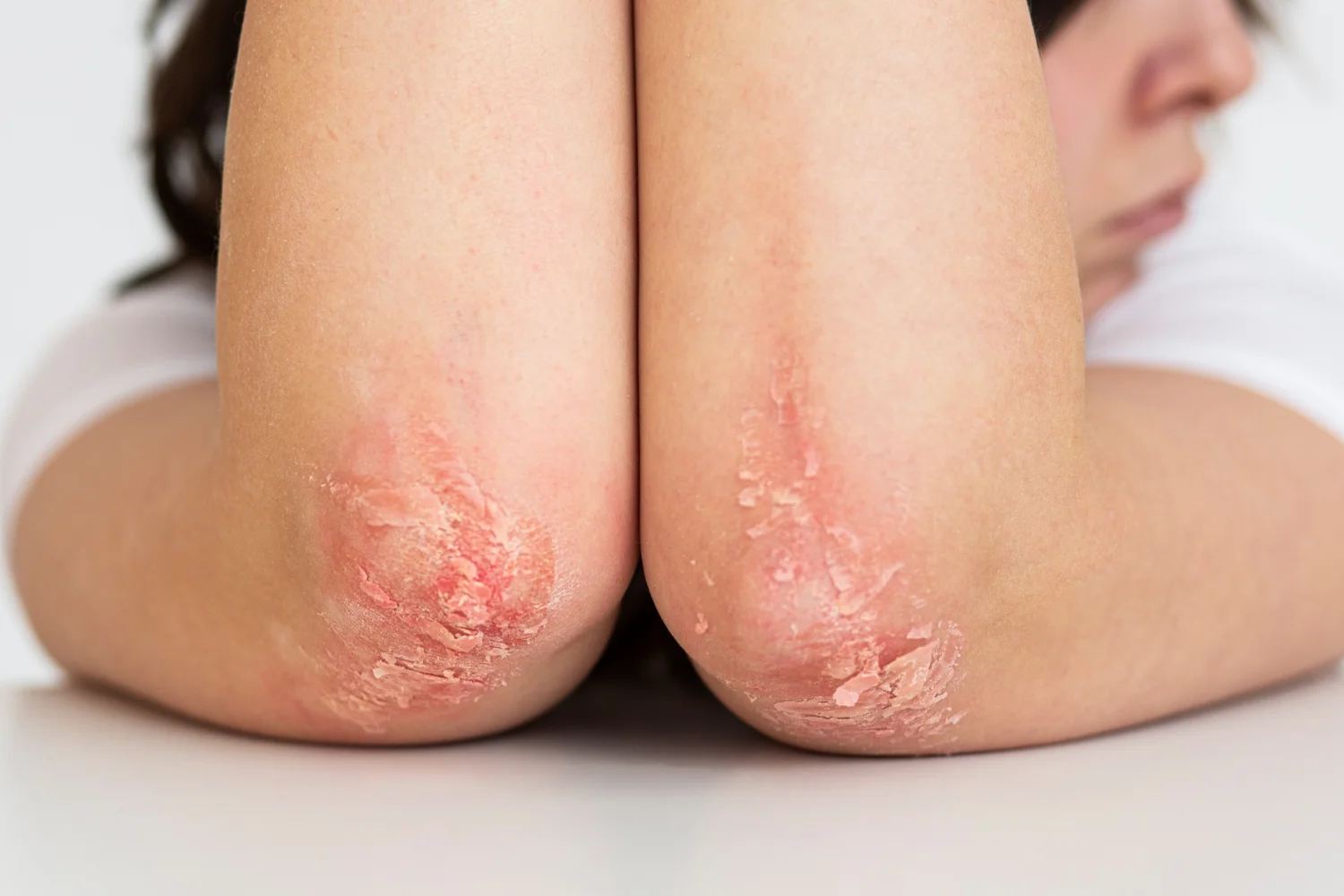
Essential Oils for Atopic Eczema Wellness: Supporting Skin Barrier Restoration and Immune Response Modulation
INTRODUCTION
Atopic eczema, also known as atopic dermatitis, is one of the most prevalent chronic skin conditions globally in contemporary dermatological medicine. It affects approximately 20% of the pediatric population and 10% of the adult population in industrialized countries. This inflammatory skin condition is characterized by intense pruritus (itching), xerosis (extreme dryness), and eczematous lesions that can significantly impact patients' quality of life, causing sleep disturbances, anxiety, and an increased risk of secondary infections by Staphylococcus aureus.
Conventional medicine has historically relied on topical corticosteroids and calcineurin inhibitors; however, some people seek complementary alternatives. Certain essential oils, especially those with chemical profiles rich in sesquiterpenes and aldehydes, have been studied for their potential in modulating the Th2 (type 2 T helper cells) immune response, which is associated with the inflammatory cascade in eczema. Through clinical aromatherapy and the use of pure essential oils like those from the Seed to Seal line, it's possible to support not only symptom relief but also the well-being of the skin barrier.
INFORMATIONAL SECTION: Pathophysiology of Eczema and Potential Mechanisms of Action
To understand how some essential oils can be useful, it is relevant to analyze the "barrier hypothesis." In patients with eczema, there may be a genetic or acquired deficiency of the filaggrin protein, which is essential for maintaining corneocyte structure and the natural moisturizing factor (NMF). This skin alteration can allow allergens and pathogens to penetrate, which could trigger a release of pro-inflammatory cytokines such as IL-4, IL-5, and IL-13.
Some essential oils may have an influence through mechanisms associated with the pathology:
1. Modulation of NF-κB-linked pathways: Components such as alpha-humulene and beta-caryophyllene, present in oils like Copaiba, have been studied for their possible influence on the translocation of nuclear factor Kappa-B to the cell nucleus, which could affect the expression of inflammatory genes.
2. Activity Associated with CB2 Receptors: The cutaneous endocannabinoid system helps balance the skin. Some sesquiterpenes have been shown to act on CB2 receptors without psychoactive effects, which could contribute to reducing neuropathic pruritus and dermal inflammation.
3. Influence on 5-LOX and COX-2: Components like esters and oxides present in certain essential oils can modulate the lipoxygenase and cyclooxygenase pathways, which could lead to a lower production of leukotrienes and prostaglandins, associated with edema and erythema.
Aromatherapy in 2026 considers the potential of essential oils as an intervention that can influence the skin microbiome and the peripheral immune system.
AROMATIC STRATEGY: Potentially Beneficial Groups
The selection of oils for eczema can consider a functional hierarchy:
- For Anti-Inflammatory and Antipruritic Wellness (Pruritus Modulators): Oils with concentrations of chamazulene and terpenic alcohols can be selected, which have been studied for their interaction with cellular receptors and channels, potentially offering a calming effect.
- For Epithelial Recovery: Oils rich in safe ketones and alcohols that can support collagen synthesis and re-epithelialization.
- For Balanced Wellness: Oils that, through inhalation or topical absorption, are associated with reducing cortisol levels, a factor that could influence skin well-being.
THE 3 OILS THAT MAY HELP
1. Helichrysum (*Helichrysum italicum*)
Valued in dermatological aromatherapy. Its main active components are italidiones (beta-diones).
- Potential Mechanism: It may support tissue recovery and has been observed to help reduce the appearance of inflammation. It has been studied for its possible modulation of macrophage response in the affected area.
2. Copaiba (*Copaifera officinalis*)
This oil contains a notable concentration of beta-caryophyllene (up to 55%).
- Potential Mechanism: It can act on CB2 receptors. It is considered very well-tolerated, making it an option for atopic skin with a compromised barrier. Its ability to enhance the penetration of other oils can favor its use in preparations.
3. German Chamomile (*Matricaria recutita*)
Recognizable by its deep blue color, due to chamazulene and its alpha-bisabolol content.
- Potential Mechanism: It may influence 5-lipoxygenase (5-LOX). It is traditionally used for its calming effect and has been studied for its contribution to reducing histamine release from mast cells, which can help alleviate the itch-inflammation cycle.
COMPLEMENTARY OILS THAT CAN HELP
- Lavender (Lavandula angustifolia): Rich in linalool and linalyl acetate. It is valued for its contribution to emotional well-being and epidermal recovery.
- Sacred Frankincense (Boswellia sacra): Contains boswellic acids and alpha-pinene. It may help modulate the immune response and is traditionally used to promote even pigmentation.
- Blue Tansy (Tanacetum annuum): Contains chamazulene; can be useful when redness is more prominent.
- Cedarwood (Cedrus atlantica): Contains sesquiterpenes that can help soothe irritation and is used for its gentle cleansing properties to help prevent superinfections.
OILS TO USE WITH CAUTION ❌
On skin with atopic eczema, the barrier can be compromised, so some potentially irritating or dermocaustic oils should be used with extreme caution or avoided, as they could cause irritation or sensitization:
- ❌ Cinnamon (Bark and Cassia): Cinnamaldehyde is known for its irritant potential.
- ❌ Clove (Syzygium aromaticum): Eugenol could exacerbate itching in reactive skin.
- ❌ Oregano (Origanum vulgare): Carvacrol is considered potentially harsh for compromised skin.
- ❌ Thyme (Thymus vulgaris): Its high phenol content is a precaution during severe flare-ups.
- ❌ Peppermint (on areas of broken skin): Although it provides a cooling sensation, menthol could cause an uncomfortable reaction on open or sensitive skin.
---
SUGGESTED RECIPES FOR ATOPIC ECZEMA WELLNESS
The proposed dilutions follow Tisserand & Young's safety standards for sensitive skin (1% to 2%).
1. "Protective Barrier" Skin Comfort Balm (For dry skin)
This balm can provide a protective layer while delivering active ingredients.
- Ingredients:
- 30 ml of pure Shea Butter.
- 20 ml of V-6 Carrier Oil (or jojoba oil).
- 8 drops of German Chamomile (Matricaria recutita).
- 6 drops of Helichrysum (Helichrysum italicum).
- 6 drops of Copaiba (Copaifera officinalis).
- Dilution: Approx. 1.5%.
- Instructions: Melt the shea butter at a low temperature. Remove from heat, add the carrier oil, and when warm, incorporate the essential oils. Pour into a dark glass container. Apply to dry areas 3 times a day.
2. "Nighttime Anti-Itch" Calming Spray
This can be helpful to mitigate scratching during the night.
- Ingredients:
- 50 ml of Lavender Hydrosol or distilled water.
- 1 tablespoon of Vegetable Glycerin (for mixing).
- 10 drops of Blue Tansy (Tanacetum annuum).
- 10 drops of Lavender (Lavandula angustifolia).
- 5 drops of Cedarwood (Cedrus atlantica).
- Instructions: Mix the essential oils with the glycerin first. Add to the water in a spray bottle. Shake before each use. Spray on the itchy area from an appropriate distance.
3. "Deep Skin Wellness" Serum (For face or delicate areas)
A lightweight formula with good absorption that can help reduce the appearance of redness.
- Ingredients:
- 30 ml of Rosehip Oil (a carrier oil known for its restorative properties).
- 4 drops of Frankincense (Boswellia carterii).
- 4 drops of Myrrh (Commiphora myrrha).
- 2 drops of Helichrysum (Helichrysum italicum).
- Instructions: Mix in a 30ml glass bottle with a dropper. Apply 4-5 drops to the affected area after cleansing. Gently pat into the skin.
4. "Soothing Immersion" Oatmeal and Oil Bath
For the well-being of large areas of the body with eczema.
- Ingredients:
- 1 cup of colloidal oatmeal (finely ground oats).
- 2 tablespoons of sweet almond oil.
- 5 drops of Roman Chamomile (Anthemis nobilis).
- 3 drops of Patchouli (Pogostemon cablin).
- Instructions: Dilute the essential oils in the almond oil. Add the mixture and the oatmeal to warm bathwater. Soak for 15 minutes. Gently pat the skin dry with a cotton towel.
---
SUGGESTED PROTOCOL BY PHASES
Phase 1: Initial Comfort (Days 1 to 7)
Objective: To help relieve itching and reduce the appearance of redness.
- Action: Use the Anti-Itch Calming Spray as needed (up to 6 times a day).
- Night: Apply a generous layer of the Skin Comfort Balm, and you can cover it with a damp cotton bandage (wet wrap therapy) if the area requires it.
Phase 2: Recovery Support (Weeks 2 to 4)
Objective: To support the recovery of the skin barrier and help prevent the formation of crusts or cracks.
- Action: Instead of sprays, use the Deep Skin Wellness Serum twice a day. Use a gentle, soap-free cleanser (Syndet), to which you can add 1 drop of Copaiba per use.
- Emotional Support: Diffuse Lavender and Cedarwood for 30 minutes before bed to contribute to a relaxing environment that can help manage stress levels.
Phase 3: Maintenance and Prevention (Ongoing)
Objective: To promote longer periods of skin wellness.
- Action: Daily moisturization with V-6 carrier oil or a neutral base lotion with 1 drop of Frankincense for every 10ml of product.
- Microbiome: Avoid excessive use of oils with strong properties that could alter the balance of the skin flora.
---
SUGGESTED DAILY ROUTINE
| Step | Product | Frequency |
| :--- | :--- | :--- |
| Cleansing | Lukewarm water + Lavender Hydrosol | Morning and Night |
| Wellness | Deep Skin Wellness Serum | Morning |
| Protection | Skin Comfort Balm (Priority areas) | Afternoon |
| Calming | Anti-Itch Spray | As needed |
| Nourishment | Oatmeal and Oil Bath | Twice a week |
| Nightly Recovery | Skin Comfort Balm + Cotton gloves/socks | Before sleeping |
---
ADDITIONAL TIPS FOR PEOPLE WITH ATOPIC SKIN
1. The 3-Minute
Rule: Apply essential oils mixed in a carrier (Balm or Serum) within 3 minutes after showering. This helps to lock in
moisture in the epidermis.
2. Water Temperature: Avoid hot water. Heat can contribute to histamine release, which could worsen itching. Use lukewarm or cool water.
3. Wellness Management: Eczema can have a stress-related component. Using Lavender or Young Living's Stress Away essential oil on the wrists for direct inhalation can contribute to relaxation when feeling anxious, which supports overall well-being.
---
DISCLAIMER
This guide is for informational and educational purposes based on the practice of clinical aromatherapy. It does not replace diagnosis or medical treatment prescribed by a dermatologist.
Seek professional medical attention if:
- Signs of infection appear (pus, yellowish crusts, extreme heat in the area).
- The eczema spreads to the eyes or genital areas.
- A fever occurs along with the flare-up.
- Painful blisters appear.
This information is for educational purposes and is not a substitute for professional medical advice. Consult with your healthcare provider before starting any supplementation.
#EssentialOils #AtopicEczema #AtopicDermatitis #SensitiveSkin #ClinicalAromatherapy #YoungLivingRecipes #NaturalHealth 🌿 #Skincare #WellnessProtocol #NaturalWellness