```markdown
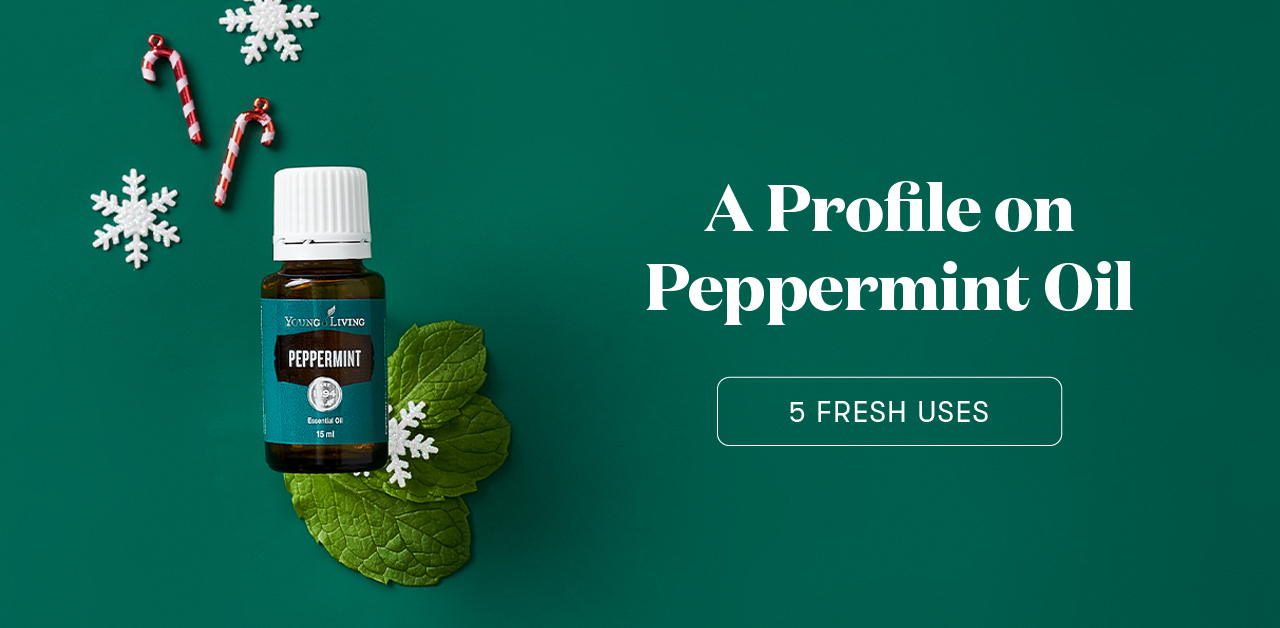
Essential Oils for Sports Performance: The Glacial Power of Peppermint Oil for Recovery and Thermoregulation
In the vibrant universe of physical performance, where every second, every repetition, and every drop of sweat counts, the search for tools that optimize recovery and boost capacity is constant. Today, we will delve into an ancient, yet scientifically validated ally that has burst into the modern athlete's toolkit: Peppermint Essential Oil (Mentha piperita). We are not talking about a simple refreshing aroma, but a biochemical synergy that interacts with our physiology in surprisingly profound ways, especially concerning post-exercise muscle recovery and body temperature regulation.
From marathon runners seeking relief after miles of pounding, to weightlifters craving a comforting sensation in their worked muscles, and professionals needing an extra boost of focus before an important task, Peppermint offers a natural, potent, and versatile solution. In this clinical guide, we will reveal how this "glacial elixir" from Young Living, rich in the potent monoterpene menthol, can become a key part of your sports wellness protocol. We will focus on the science behind its action, safe and effective dilutions, and how to strategically integrate it to achieve optimal performance and accelerated recovery. Prepare to experience the ultimate botanical "Ice Recovery."
📊 Key Statistics and Medical Context of Performance and Recovery
Sport and physical activity are fundamental pillars of a healthy life, but they entail intrinsic challenges. According to the American College of Sports Medicine (ACSM), muscle fatigue and delayed onset muscle soreness (DOMS) affect more than 70% of individuals after intense or unaccustomed exercise. These conditions not only impact subsequent performance but can also undermine motivation and adherence to a training program. The prevalence of sport-related musculoskeletal injuries is alarming, with millions of incidents annually requiring medical attention and prolonged recovery periods.
Thermoregulation, meanwhile, is a critical physiological process, especially in exercise environments. Heat stress during physical exertion, exacerbated by warm or humid environmental conditions, can lead to significant performance decline, heat exhaustion, and even heat stroke—conditions that annually hospitalize thousands of athletes globally. Effective strategies for maintaining optimal body temperature are vital for safety and performance.
Traditionally, solutions have included cryotherapy (ice baths), cold compresses, stretching, and non-steroidal anti-inflammatory drugs (NSAIDs). However, interest in natural and complementary approaches has grown exponentially. This is where Peppermint Essential Oil, with its unique biochemical profile and action on cutaneous thermoreceptors, emerges as a promising alternative and a valuable complement to conventional strategies, offering a sensation of relief and freshness without the side effects associated with other methods. Its topical and aromatic application integrates perfectly into sports wellness protocols, providing a natural solution to modulate discomfort perception and optimize the sensation of recovery.
🔬 Scientific Section: Menthol and Cold Receptors: The Science of Recovery
Peppermint Essential Oil (Mentha piperita), particularly that offered by Young Living, is renowned for its pungent aroma and multiple applications. However, its true magic in the sports context lies in its main component: menthol. This monoterpene, which often accounts for between 30% and 50% of peppermint oil's composition, is responsible for the characteristic cooling sensation we experience when applying or inhaling it.
Mechanism of Action at Cellular and Nervous Levels:
Menthol does not simply "cool" the skin. Its mechanism is much more sophisticated and physiological. Menthol is a selective agonist of the TRPM8 receptor (Transient Receptor Potential Melastatin 8). The TRPM8 receptor, also known as the "cold and menthol receptor," is an ion channel activated by cold temperatures (below 25-26°C) and by chemical compounds such as menthol, icilin, and eucalyptol. These receptors are predominantly found in primary sensory neurons of the skin (nociceptors and low-threshold thermoreceptors), as well as in the respiratory tract and gastrointestinal system.
When menthol binds to the TRPM8 receptor, it triggers a cascade of intracellular events that result in the opening of the ion channel. This opening allows calcium (Ca2+) and sodium (Na+) ions to enter the cell, depolarizing the neuronal membrane and generating an action potential. This electrical signal is transmitted to the central nervous system, interpreted as a sensation of cold, regardless of the actual skin temperature. That is, menthol "fools" our brain into perceiving cold, even when the superficial skin temperature has not significantly decreased.
Impact on Post-Exercise Muscle Recovery:
This menthol-induced "cold sensation" has several direct benefits for sports recovery:
1. Modulation of Discomfort Perception: By activating TRPM8 receptors, menthol can help modulate the perception of muscle discomfort. The cooling sensation can divert attention from feelings of fatigue or mild muscle soreness, providing a comforting and relieving sensation. This is crucial in DOMS, where symptomatic relief allows for faster psychological recovery and a better predisposition for the next training session.
2. "Counter-irritant" Effect: Similar to other essential oils rich in components such as methyl salicylate (Wintergreen) or eugenol (Clove), menthol acts as a counter-irritant. By producing an intense local sensation (in this case, cold), it distracts the brain from deeper discomfort sensations, which can result in a perceived decrease in discomfort.
3. Increased Local Blood Flow (Reflex Effect): Although menthol induces a sensation of cold, its topical application can cause reflex cutaneous vasodilation in some people or at specific concentrations, which could potentially improve local blood flow. Better blood flow can contribute to the elimination of metabolites and the supply of essential nutrients for muscle repair. However, this effect is secondary to TRPM8 activation and sensory perception.
Thermoregulation and Performance during Exercise:
Beyond recovery, menthol plays an intriguing role in thermoregulation during exercise. Topical application of menthol before or during exercise in warm environments can generate a subjective sensation of reduced exertion and less thermal stress. This perception of coolness, induced by TRPM8 activation, can have a significant psychological impact, making the athlete feel more comfortable and, potentially, improving performance in hot conditions.
A study (referenced by the International Society of Sports Nutrition) showed that menthol-containing solutions ingested before exercise in heat can improve heat tolerance and performance. Although our focus is topical and aromatic, the underlying principle of modulating temperature perception is the same. Applying a diluted peppermint roller or spray to strategic points such as the nape of the neck, temples, or back of the neck before or during exercise can contribute to a cooling sensation that reduces the perception of overheating, allowing the athlete to sustain effort longer or with greater perceived intensity.
In summary, Peppermint Essential Oil is not just an air freshener. It is a powerful biochemical tool that, through the modulation of the TRPM8 receptor, offers a natural pathway to manage post-exercise muscle discomfort and positively influence the perception of thermoregulation during physical activity. Its strategic use, always with proper dilutions, makes it an essential pillar for the athlete seeking to optimize their overall well-being and performance.
💧 Recommended Oils for Performance and Recovery with an "Ice Recovery" Effect
To achieve the "Ice Recovery" experience and optimize performance and recovery with essential oils, we will focus on the power of menthol and its synergies.
The 3 Essentials for Your Glacial Sports Kit:
1. **Peppermint Essential Oil (*Mentha piperita*):**
- Key Active Component: Menthol (30-50%), Menthone, 1,8-Cineole (Eucalyptol).
- Mechanism of Action: Primarily through the activation of the TRPM8 receptor, which induces a sensation of cold. Menthol can modulate the perception of muscle discomfort and offer a comforting sensation. It also possesses refreshing properties that support perceived thermoregulation and concentration.
- Why it's Essential: It is the pillar of the "Ice Recovery" sensation. Indispensable for muscle recovery, relief of localized tension, and to promote mental concentration. It is a "hot/cold" oil, so its dilution is OBLIGATORY and should be generous, especially on sensitive skin or in extensive areas.
2. **Copaiba Essential Oil (*Copaifera officinalis*):**
- Key Active Component: β-Caryophyllene (over 50%).
- Mechanism of Action: β-caryophyllene is a selective agonist of the CB2 receptors of the endocannabinoid system, which are widely found in the immune system and peripheral tissues. CB2 activation is non-psychotropic and is associated with the modulation of discomfort pathways and the inflammatory response, without being a direct analgesic. It helps reduce the perception of discomfort and supports a healthy response to physical stress.
- Why it's Essential: It complements Peppermint by offering deeper and more lasting support for overall body well-being. Ideal for applying to fatigued muscles along with Peppermint for a synergistic and comforting effect. It is a gentle oil that calms the "warmth" of Peppermint, allowing for a more comfortable application.
3. **Frankincense Essential Oil (*Boswellia carterii*):**
- Key Active Component: α-Pinene, Limonene, β-Myrcene.
- Mechanism of Action: Boswellic acids (although present in the resin extract, not as much in the distilled essential oil) are known for their ability to modulate the 5-lipoxygenase (5-LOX) enzyme, which plays a role in the body's inflammatory response. The essential oil, rich in monoterpenes, supports cellular regeneration and has calming effects on an emotional level, contributing to a general state of well-being and recovery from physical and mental stress.
- Why it's Essential: Offers holistic support for recovery. It is not only excellent for post-workout skin (supporting its healthy appearance and the recovery of minor abrasions) but its aroma promotes relaxation and reduces mental tension, essential for restorative rest which is critical for physical recovery.
Complementary Oils for a Comprehensive Glacial Recovery:
- Wintergreen Essential Oil (Gaultheria procumbens):
- Key Active Component: Methyl Salicylate (over 95%).
- Mechanism of Action: Methyl salicylate acts as a local counter-irritant. When absorbed through the skin, it produces a warming sensation that can divert attention from deeper discomfort sensations. It is a precursor to salicylic acid. It supports a healthy response to localized post-exercise inflammation.
- Considerations: This is a very potent ("hot") oil and requires extreme dilution (no more than 2% in adults, 0.5% on sensitive skin) and caution, especially in children, pregnant women, or individuals sensitive to aspirin (salicylic acid). Always dilute generously with a carrier oil.
- Eucalyptus Radiata Essential Oil (Eucalyptus radiata):
- Key Active Component: 1,8-Cineole (Eucalyptol), α-Terpineol.
- Mechanism of Action: 1,8-cineole has a refreshing and stimulating effect on the respiratory tract. Topically, it can increase the skin penetration of other compounds and contribute to the sensation of freshness.
- Considerations: Excellent for respiratory support during exercise or for a feeling of openness.
- Lemon Essential Oil (Citrus limon):
- Key Active Component: Limonene (50-70%).
- Mechanism of Action: Limonene is a monoterpene with stimulating and refreshing properties. Its aroma is known to uplift mood and reduce feelings of mental fatigue.
- Considerations: Photosensitive. Avoid direct sun exposure on the application area for at least 12 hours.
- PanAway Blend (Young Living):
- Key Components: Wintergreen, Helichrysum, Clove, Peppermint.
- Mechanism of Action: A synergy designed to offer a comforting and refreshing sensation. It combines the warmth of Wintergreen and Clove with the freshness of Peppermint, and the support of Helichrysum for a soothing sensation.
- Considerations: Contains Wintergreen, so dilution precautions are the same. Not suitable for young children.
- Cool Azul Blend (Young Living):
- Key Components: Wintergreen, Peppermint, Sage, Copaiba, Coriander, Lavender, Roman Chamomile, Lemongrass.
- Mechanism of Action: Another potent Young Living blend specifically formulated for relief and freshness after exercise. The combination of Peppermint and Wintergreen with calming ingredients like Lavender and Roman Chamomile makes it ideal for muscle recovery.
- Considerations: Contains Wintergreen and Peppermint, so similar dilution and precautions to Wintergreen are required.
🚫 Oils to Avoid for the "Ice Recovery" Effect
While at Esseniq we promote a vast range of essential oils, it is crucial to understand that not all are suitable for every purpose or condition. To maximize safety and effectiveness in the context of "Ice Recovery" and sports recovery, there are certain oils that, due to their properties or potential reactions, are best avoided or used with extreme caution in this protocol.
- ❌ Photosensitive Oils in Sun-Exposed Areas: Oils like Lemon (Citrus limon), Lime (Citrus aurantifolia), Bergamot (Citrus bergamia), Grapefruit (Citrus paradisi), and Orange (Citrus sinensis) can cause phototoxicity (burns or discoloration) if applied topically and then the skin is exposed to direct sunlight or UV rays within the following 12-24 hours. Since many sports protocols are performed outdoors or with sun exposure, it is prudent to avoid them on exposed skin, or to use them with extreme caution and sun protection.
- ❌ "Hot" Oils (without adequate dilution): While oils like Wintergreen (Gaultheria procumbens), Clove (Syzygium aromaticum), Cinnamon (Cinnamomum zeylanicum), Oregano (Origanum vulgare), and Thyme (Thymus vulgaris) have very potent properties, their application without adequate dilution can cause severe skin irritation. For "Ice Recovery," we seek a sensation of coolness and relief, not irritating warmth. Although Wintergreen is included in some Young Living blends for muscle relief, its use should always be under extreme dilution and with knowledge of its properties. If you are unsure about dilution, it is best to opt for gentler oils or pre-diluted blends.
- ❌ Oils with Intense Sedative Profiles (before exercise): Although excellent for deep relaxation post-recovery (e.g., before sleep), oils like Spikenard (Nardostachys jatamansi) or Valerian (Valeriana officinalis) are not ideal for enhancing performance or concentration before exercise, as their components (e.g., valeranone) can induce drowsiness or excessive relaxation. For active recovery that requires mental clarity, these would not be the first choice.
- ❌ Oils with High Phenol or Aldehyde Content (on sensitive skin or wounds): Oils rich in phenols (e.g., Thyme, Oregano) or aldehydes (e.g., Citronella, Lemongrass) are potent and can be very irritating to sensitive skin or areas with small wounds or abrasions (common in athletes). Their application in these conditions can exacerbate discomfort and irritation. It is preferable to opt for gentler oils or use phenols with extreme dilution.
Always, the golden rule is to perform a patch test on a small area of skin to detect any sensitivity before widespread application. Dilution is your best ally for safe and effective use of any essential oil, especially in the context of sports performance and recovery.
🧪 Recipes for Your "Ice Recovery" Kit
The key to successful topical application of essential oils is proper dilution. We will use a quality carrier oil, such as Young Living's V-6 Vegetable Oil Complex or fractionated coconut oil. Dilutions for adults typically range from 1% to 5% for specific applications. For "Ice Recovery" protocols, we aim for a dilution that allows you to feel the effect of menthol without irritation.
1. "Glacial Sprint" Refreshing Spray for Pre- and Post-Exercise Thermoregulation
- Description: Ideal for refreshing the body before intense workouts in warm climates or for a quick cooling sensation afterward.
- Ingredients:
- 10 drops Young Living Peppermint Essential Oil (Mentha piperita)
- 5 drops Young Living Eucalyptus Radiata Essential Oil (Eucalyptus radiata)
- 5 ml Witch Hazel (alcohol-free) or Vodka (as a solubilizer to disperse oils in water)
- 95 ml Distilled Water or Peppermint/Witch Hazel Hydrosol
- 100 ml Glass Spray Bottle
- Application Instructions:
1. In the spray bottle, add the drops of Peppermint and Eucalyptus Radiata Essential Oil.
2. Add Witch Hazel or Vodka and shake well to disperse the oils.
3. Fill with distilled water or hydrosol.
4. Shake vigorously before each use.
5. Pre-exercise: Lightly spray on the nape of the neck, wrists, and inner elbows 5-10 minutes before starting, especially in warm climates. Allow the skin to absorb the product without intense rubbing.
6. Post-exercise: Spray on areas needing a refreshing and comforting sensation (legs, arms, neck) immediately after showering. Avoid contact with eyes and mucous membranes. Use 1-2 times daily as needed.
2. "Deep Freeze Rub" Massage Oil for Muscle Recovery
- Description: A powerful massage oil for fatigued and tense muscles, focused on the comforting effect of menthol and the support of β-caryophyllene. Approximately 3-4% essential oil dilution.
- Ingredients:
- 15 drops Young Living Peppermint Essential Oil (Mentha piperita)
- 10 drops Young Living Copaiba Essential Oil (Copaifera officinalis)
- 5 drops Young Living Frankincense Essential Oil (Boswellia carterii)
- 30 ml Young Living V-6 Vegetable Oil Complex (or jojoba/sweet almond oil)
- 30 ml Dark Glass Bottle with Dispenser
- Application Instructions:
1. Combine all essential oils in the 30 ml bottle.
2. Fill with carrier oil (V-6 or similar).
3. Close and shake gently to mix.
4. Use: Apply a coin-sized amount (2-3 ml) to fatigued or tense muscles (quads, hamstrings, calves, shoulders, neck, lower back) after training or before sleep.
5. Massage deeply with circular movements until absorbed.
6. Use 1-2 times daily, or as needed, in the 24-48 hours after intense exercise. Always wash hands after application and avoid contact with eyes and mucous membranes.
3. "Focus Frost" Roller for Concentration and Localized Tension
- Description: A practical roll-on to apply to pulse points or areas of tension (temples, nape of the neck) to improve mental concentration and relieve localized tension. Approximately 2% essential oil dilution.
- Ingredients:
- 8 drops Young Living Peppermint Essential Oil (Mentha piperita)
- 4 drops Young Living Lemon Essential Oil (Citrus limon) (with sun caution) or Rosemary (Rosmarinus officinalis) CT Cineole for non-photosensitive effect.
- 10 ml Young Living V-6 Vegetable Oil Complex
- 10 ml Glass Roll-On Bottle
- Application Instructions:
1. Add essential oils to the roll-on bottle.
2. Fill with V-6 Complex.
3. Insert the roll-on ball and cap, then shake gently.
4. **Use:**
- Concentration: Roll on temples (avoiding eyes), nape of the neck, or behind the ears before a task requiring focus or before training.
- Localized Tension: Apply to the affected area (e.g., neck, shoulders) and massage lightly with fingertips.
5. You can use it several times a day, every 2-3 hours, as needed. If using Lemon, ensure the area is not exposed to the sun for the next 12 hours.
4. "Arctic Soak" Bath Salts for Feet and General Recovery
- Description: A foot or body bath that provides a revitalizing and comforting sensation for fatigued muscles, especially after long walks or runs.
- Ingredients:
- 15-20 drops Young Living Peppermint Essential Oil (Mentha piperita)
- 5-10 drops Young Living Copaiba Essential Oil (Copaifera officinalis)
- 1 cup Epsom Salts (Magnesium Sulfate)
- 1 tablespoon Carrier Oil (V-6, Almond, Jojoba)
- A large basin for foot bath or bathtub
- Application Instructions:
1. In a small bowl, mix the drops of Peppermint and Copaiba with the tablespoon of carrier oil. This helps disperse the essential oils in the water and prevents them from floating on the surface and potentially irritating the skin.
2. Add this mixture to the Epsom Salts and stir well.
3. For a foot bath: Dissolve 1/4 - 1/2 cup of the salt mixture in a basin with warm (not hot) water that covers your ankles. Soak your feet for 15-20 minutes.
4. For a body bath: Dissolve the full cup of salts in a bathtub with warm (not hot) water. Submerge your body for 20-30 minutes.
5. Use 2-3 times a week, or as needed, after intense physical activity. The sensation of coolness will be gradual and deeply comforting.
📈 Phase-Based Protocol: From Acute Crisis to Prevention with "Ice Recovery"
The application of essential oils should be dynamic, adapting to the different phases of your sports cycle: from immediate recovery from intense exertion, through the management of subacute fatigue, to prevention and maintenance of general well-being.
Phase 1: Immediate Post-Exercise and Acute Fatigue (The "Glacial Shock")
- Objective: Reduce the perception of heat stress, offer an instant cooling sensation, and begin to modulate muscle discomfort.
- Essential Products:
- "Glacial Sprint" Refreshing Spray (Recipe 1)
- Peppermint Essential Oil (Mentha piperita) pure for inhalation.
- Application:
1. Immediately after exercise: Inhale directly from the Peppermint bottle or from the palm of your hand (1 diluted drop with a little carrier). This helps clear the mind, energize, and activate the senses.
2. Once home or after showering: Generously spray the "Glacial Sprint" on areas such as the nape of the neck, wrists, inner elbows, calves, and lower back. Allow to air dry. This application helps prolong the cooling sensation and initiates the process of perceived relief.
3. Key fatigued muscles: Apply 2-3 drops of diluted Peppermint Essential Oil (1-2 drops of Peppermint in 5 ml of carrier oil) to specific points of greatest fatigue or tension, such as the trapezius or hamstrings. Massage gently.
Phase 2: Subacute Recovery and DOMS Management (The "Deep Freeze Massage")
- Objective: Relieve delayed onset muscle soreness (DOMS), promote a sensation of prolonged relief, and prepare the body for the next effort.
- Essential Products:
- "Deep Freeze Rub" Massage Oil (Recipe 2)
- "Arctic Soak" Bath Salts (Recipe 4)
- Application:
1. **Day 1-3 post-intense exercise (when DOMS is most pronounced):**
- Morning and Evening: Use the "Deep Freeze Rub". Apply a generous amount (2-3 ml) to the most affected muscle areas. Massage deeply, emphasizing the worked muscle groups. The synergy of Peppermint, Copaiba, and Frankincense will provide a lasting sensation of relief and comfort.
- Recovery Bath (2-3 times a week): Enjoy a foot or body bath with the "Arctic Soak". The magnesium from the salts, along with Peppermint and Copaiba, will help relax muscles and offer a sensation of deep renewal. Warm water will open pores, allowing better absorption of aromatic compounds.
2. During the day (if tension is felt): Use the "Focus Frost" Roller on the nape of the neck or temples to relieve localized tension and maintain concentration.
Phase 3: Prevention, Maintenance, and Continuous Performance (The "Alpine Wellness")
- Objective: Maintain muscle flexibility, optimize body thermal function, improve concentration, and prevent the onset of discomfort in future training sessions.
- Essential Products:
- "Deep Freeze Rub" Massage Oil (Recipe 2)
- "Focus Frost" Roller (Recipe 3)
- Peppermint Essential Oil (Mentha piperita) for diffusion or inhalation.
- Application:
1. Before each workout: Inhale directly from Peppermint or apply the "Focus Frost" Roller on the temples or nape of the neck to boost concentration and a sense of energy.
2. Maintenance massage (2-3 times a week, even on rest days): Use the "Deep Freeze Rub" on major muscle groups to keep them flexible, support circulation, and prevent tension buildup. This is key for long-term prevention.
3. Work/study environment: Diffuse 5-8 drops of Peppermint Essential Oil in your Young Living diffuser for 30-60 minutes to maintain a clear and focused mind.
4. Before sleep (if no contraindication for Peppermint): If it doesn't overactivate you, a light massage with the "Deep Freeze Rub" on the soles of your feet can promote a sense of calm and freshness, ideal for nighttime recovery. If Peppermint activates you, skip this nocturnal application or substitute with Copaiba or Lavender.
This comprehensive protocol allows you to make the most of the properties of Peppermint and its allies, adapting to your body's changing needs throughout your athletic journey, ensuring more efficient recovery and sustained performance.
🗓️ Daily "Ice Recovery" Routine with Peppermint
This table offers a structure to integrate Peppermint and its allied oils into your daily routine, optimizing performance, recovery, and concentration.
| Time of Day | Key Step | Suggested Product/Recipe | Frequency | Description/Benefit |
| :------------------ | :---------------------------------------------------- | :--------------------------------------- | :--------- | :-------------------------------------------------------------------------------------------------------------------------------------------------------------------------------------------------------------------------------------------------------------------------- |
| Morning | 1. Energizing Wake-Up and Concentration | 1-2 drops Peppermint Oil (inhalation) | Daily | Inhale directly from the bottle or from the palm of your hand. Helps clear the mind, promotes concentration, and energizes for the day. |
| | 2. Pre-Workout Preparation (if applicable) | "Focus Frost" Roller (Recipe 3) | Pre-workout | Apply to temples (avoiding eyes) and nape of the neck 5-10 min before exercise. Improves concentration and sense of focus. |
| During Exercise | 3. Refresh and Maintain Performance (if applicable) | "Glacial Sprint" Refreshing Spray (Recipe 1) | As needed | Lightly spray on nape of the neck, wrists, and inner elbows in warm environments or during breaks. Provides a refreshing sensation that supports perceived thermoregulation. |
| Post-Exercise | 4. Immediate Recovery | "Glacial Sprint" Refreshing Spray (Recipe 1) | Post-workout | After showering, spray on legs, arms, neck, and back. Offers a cooling sensation that starts the relief process and helps reduce the perception of heat stress. |
| | 5. Deep Recovery Massage | "Deep Freeze Rub" Massage Oil (Recipe 2) | Daily (post-workout) or every 2 days | Apply a generous amount (2-3 ml) to worked muscle groups. Massage deeply to modulate discomfort and support recovery. Wash hands afterward. |
| Evening/Night | 6. Tired Foot Relief or Recovery Bath | "Arctic Soak" Bath Salts (Recipe 4) | 2-3 times/week | Foot or body bath with salts to relax muscles and provide a sensation of relief and freshness, ideal for ending the day or after long periods on your feet. |
| | 7. Relaxation and Nighttime Relief | "Deep Freeze Rub" Massage Oil (Recipe 2) or diluted Peppermint | As needed | If Peppermint does not interfere with sleep, apply a small diluted amount to the soles of the feet or tension areas. If activating, opt for Copaiba or Lavender. |
| All Day | 8. Refresh the Environment and Maintain Focus | Peppermint Oil (diffusion) | As needed | Diffuse 5-8 drops of Peppermint in your Young Living diffuser for 30-60 minutes in the workspace or