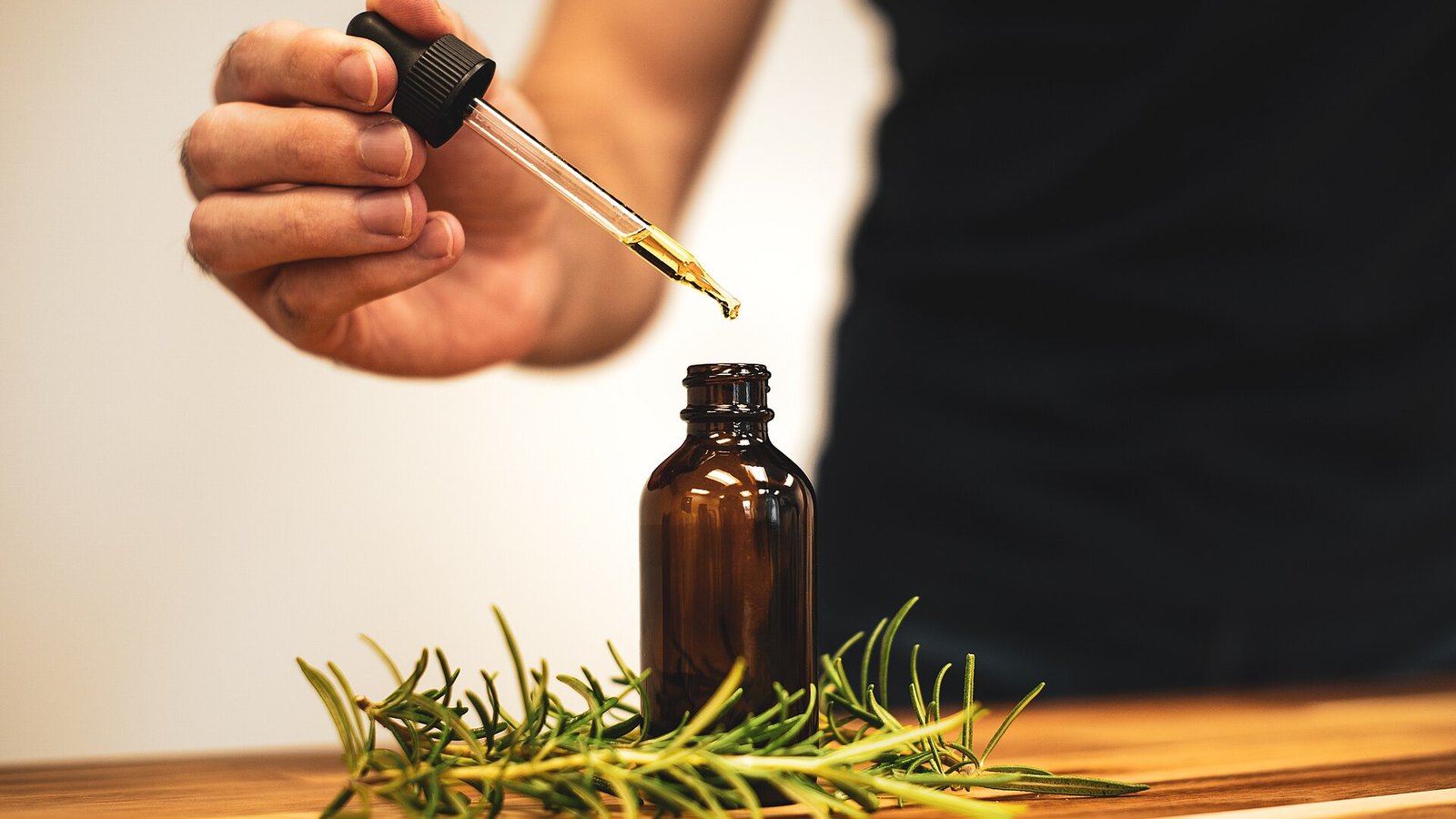
The concept of synergy, which comes from the Greek synergia (working together), describes an interaction where the combined effect is greater than the sum of the individual effects. In the context of essential oils, this idea takes on particular relevance. Since ancient times, various cultures have used plant blends for their aromatic properties and their perceived effects on well-being. Creating synergies with essential oils is not simply about mixing pleasant aromas, but about understanding how the chemical components of different oils can interact to enhance or modulate their effects.
The Chemistry Behind Synergy
Each essential oil is a complex mixture of hundreds of chemical compounds, such as terpenes, esters, aldehydes, ketones, phenols, among others. The proportion and type of these components vary significantly between oils. When two or more oils are combined, their molecules interact. For example, an oil rich in monoterpenes can improve the absorption of another oil with larger molecules. Or, certain compounds can have complementary effects, where one relaxes and another modulates the inflammatory response, generating an overall effect of calm and comfort that is more pronounced than that of each oil individually.
Research in this field, although still developing, suggests that these interactions can influence biological activity. It's not just the sum of its parts, but a new entity with a unique activity profile. Understanding the chemotyping of oils is fundamental for formulating effective synergies, as it allows for predicting possible interactions.
Principles for Formulating Synergies
Creating an effective synergy requires knowledge and experimentation. Some key principles include:
- Clear Objective: What is the synergy intended to achieve? Relaxation, concentration, respiratory support, or a specific aroma? Defining the objective helps select the appropriate oils.
- Aromatic Profiles: Consider how aromas complement each other. Oils can be classified by their notes (top, middle, base) and olfactory families (citrus, floral, woody, spicy). A good synergy often includes a balanced blend of these notes to create a complete and long-lasting aroma.
- Chemical Composition: Understand the main components of each oil. For example, an oil with high linalool content (lavender) can be combined with one rich in limonene (citrus) to enhance relaxing and uplifting effects simultaneously.
- Proportions: Proportions are crucial. Often, small amounts of potent oils are used, and larger amounts of milder oils are used to balance the blend. There is no universal rule, and experimentation is key.
Common Applications of Synergies
Essential oil synergies are used in a variety of contexts, including:
- Emotional Well-being: Blends for relaxation (lavender, bergamot, frankincense), for uplifting mood (citrus, peppermint), or for concentration (rosemary, lemon).
- Personal Care: Incorporated into skincare products, for massages, or in ambient diffusers to create specific atmospheres.
- Environmental Scenting: Beyond a single aroma, synergies can transform a space, evoking feelings of freshness, warmth, or cleanliness.
Important Considerations
When working with essential oils and their synergies, it is crucial to prioritize safety. Always dilute essential oils in a carrier oil (such as jojoba, almond, or coconut) before topical application to avoid irritation. Perform a patch test on a small skin area to check for sensitivity. Avoid contact with eyes and mucous membranes. Pregnant or breastfeeding women, young children, and individuals with pre-existing medical conditions should consult a healthcare professional before using essential oils.
Frequently Asked Questions about Essential Oil Synergies
1. How do I know which oils to combine for a synergy?
Start by defining the goal of your synergy. Then, research the aromatic profiles and chemical properties of the oils you are interested in. Begin with simple combinations of two or three oils and adjust the proportions according to your preferences and desired effect.
2. Are there pre-formulated synergies?
Yes, many essential oil brands offer pre-made blends or synergies for various purposes, such as relaxation, immune support, or concentration. These can be a good starting point for those new to the world of synergies.
3. Is it safe to ingest essential oil synergies?
Ingesting essential oils is generally not recommended and should only be done under the supervision of a qualified healthcare professional. Many oils can be toxic if ingested in improper amounts or if they are not certified food-grade.
This content is for informational purposes only and does not substitute for professional medical advice.
FDA Disclaimer:
Statements about essential oils have not been evaluated by the Food and Drug Administration (FDA). This product is not intended to diagnose, treat, cure, or prevent any disease. Consult a healthcare professional before using any essential oil, especially if you are pregnant, nursing, taking supplements, or have a medical condition.