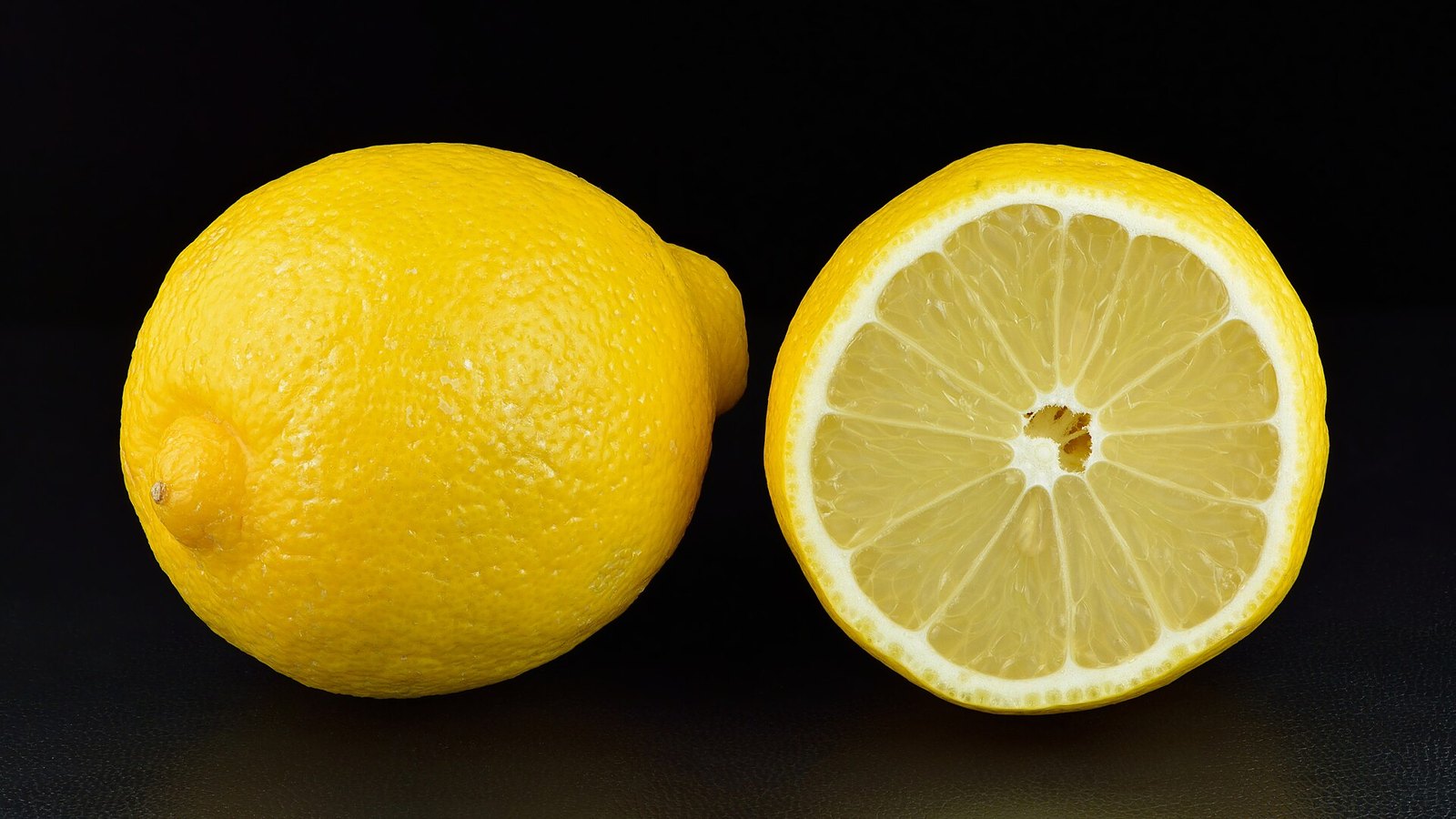
The unmistakable citrus aroma emanating from its peel, the burst of sweet and sour flavor that awakens the taste buds; the lemon, a fruit as common as it is fascinating, has been a pillar in gastronomy and popular culture for centuries. Its presence is ubiquitous, from salad dressings to the base of desserts, and its history is intertwined with that of humanity. But beyond its obvious culinary appeal, the lemon possesses a composition that has been a subject of interest in various fields.
Origin and Botany of the Lemon
The lemon (_Citrus limon_) is a perennial fruit tree belonging to the family Rutaceae. It is believed to be a hybrid between lime and citron, originating from Asia, possibly from the Himalayan region in northeastern India. Its cultivation spread through the Middle East and North Africa before being introduced to Europe by the Arabs in the Middle Ages. Christopher Columbus was responsible for bringing lemon seeds to the New World on his second voyage, establishing its presence on the American continent. Today, Spain, Mexico, India, China, and the United States are among the leading global producers.
The lemon tree can reach heights of up to 6 meters, with evergreen, bright green leaves and white or slightly purple, very fragrant flowers. The fruit, the lemon, is an oval-shaped hesperidium berry, with a peel that varies in color from green to bright yellow when ripe, and a juicy, acidic pulp divided into segments. Its characteristic acidity is mainly due to the high concentration of citric acid.
Nutritional Composition and Bioactive Compounds
The lemon is recognized for its contribution of vitamin C (ascorbic acid), an essential antioxidant. In addition to vitamin C, it contains smaller amounts of other B vitamins, such as folate, and minerals like potassium, magnesium, and calcium. However, its nutritional value goes beyond conventional vitamins and minerals.
Lemons are rich in phytochemical compounds, including flavonoids like hesperidin, naringenin, and eriocitrin, as well as limonoids like limonin and nomilin. These compounds are responsible for many of the lemon's organoleptic properties and have been the subject of study in various research. The peel, in particular, is a concentrated source of essential oils, such as limonene, which give it its distinctive aroma. Dietary fiber, present in the pulp and white pith, contributes to digestive health.
Culinary Uses of Lemon
The versatility of lemon in the kitchen is undeniable. Its juice is used to acidify and enhance flavors in a wide variety of dishes, from salad dressings and marinades to sauces and beverages. Citric acid acts as a natural preservative, helping to prevent the oxidation of cut fruits and vegetables. The zest of the peel, rich in essential oils, adds an intense citrus aroma and flavor to desserts, baked goods, and savory dishes.
In global gastronomy, lemon is a fundamental ingredient. In Mediterranean cuisine, it is omnipresent in fish and seafood dishes. In Asian cuisine, it is used to balance flavors in curries and soups. Lemon-based beverages, such as lemonade, are popular refreshments in many cultures. Its ability to cut through fat and refresh the palate makes it an ideal complement to rich and heavy dishes.
Considerations and Precautions
Although lemon is generally safe for consumption, its high acidity can be a factor to consider for people with dental sensitivity or gastrointestinal issues like acid reflux. Prolonged skin contact with lemon juice and sun exposure can cause phytophotodermatitis in some individuals, a skin reaction characterized by redness and blistering. Moderate and conscious consumption is important.
Frequently Asked Questions (FAQ)
Q1: Is lemon a fruit or a vegetable?
R1: Lemon is a fruit, botanically classified as a hesperidium berry.
Q2: Can lemon peel be consumed?
R2: Yes, lemon peel is edible and commonly used as zest in cooking to add flavor and aroma. It is advisable to use organic lemons and wash them well.
Q3: Is it true that lemon aids digestion?
R3: The citric acid in lemon can stimulate the production of digestive enzymes and bile secretion, which might aid in the digestive process for some individuals. However, this is not a claim for treatment or support for digestive conditions.
***
FDA Disclaimer: This content is for informational purposes only and has not been evaluated by the U.S. Food and Drug Administration. It is not intended to diagnose, treat, cure, or prevent any disease. This content is informative and does not substitute professional medical advice.