Common Aromatherapy Mistakes: What You Should NEVER Do with Your Oils
Oh, my lovely Esseniq people! On this fascinating journey toward natural wellness, full of aromas that comfort and empower us, it's absolutely normal—and even expected—for doubts to arise and, sometimes, for us to stumble a bit at the beginning. Like that first time we tried making pancakes and they ended up a little burnt? Remember? It's all part of the learning process. But when we talk about pure essential oils, as potent as those from Young Living, that first "burnt pancake" can have consequences we want to avoid at all costs.
The unparalleled purity and concentrated power of Young Living oils, guaranteed by our rigorous Seed to Seal commitment, are precisely their greatest strength. But this very purity demands from us a deep respect and a basic understanding to handle them wisely. A single drop of these botanical extracts can be comparable to dozens of cups of tea from the same plant, or even more. Imagine that! It's like having the concentrated essence of nature in a tiny bottle. That's why learning to use them correctly isn't just a recommendation; it's an invitation to fully enjoy their therapeutic benefits with complete safety and without any surprises.
This isn't about being scared, not at all! It's about empowering ourselves with accurate information. At Esseniq, our mission is to accompany you on this discovery, providing you with the tools to make your experiences with essential oils always wonderful, effective, and, above all, safe. So, get comfortable, because today we're going to uncover those common mistakes that, with a little knowledge, we can easily avoid, transforming any doubt into a conscious practice filled with love for ourselves and for Mother Nature.
Mistake #1: Underestimating the Potency of "Hot Oils" and Forgetting to Dilute
Ah, my dears! This is perhaps one of the most frequent mistakes at the beginning and one that nature teaches us with a little "sting" if we don't pay attention. When we say "hot oils," we're not referring to their temperature, but to the sensation they create upon contact with the skin. Some essential oils are dermocaustic, meaning they have natural chemical components so potent they can cause irritation, redness, or a burning sensation if applied directly to the skin without proper dilution.
This property is due to the high concentration of certain active components in their biochemical composition. For example, eugenol in Clove (Syzygium aromaticum) and Cinnamon (Cinnamomum zeylanicum), or carvacrol and thymol in Oregano (Origanum vulgare) and Thyme (Thymus vulgaris). These compounds are extraordinarily beneficial for their properties, but they require respect and caution.
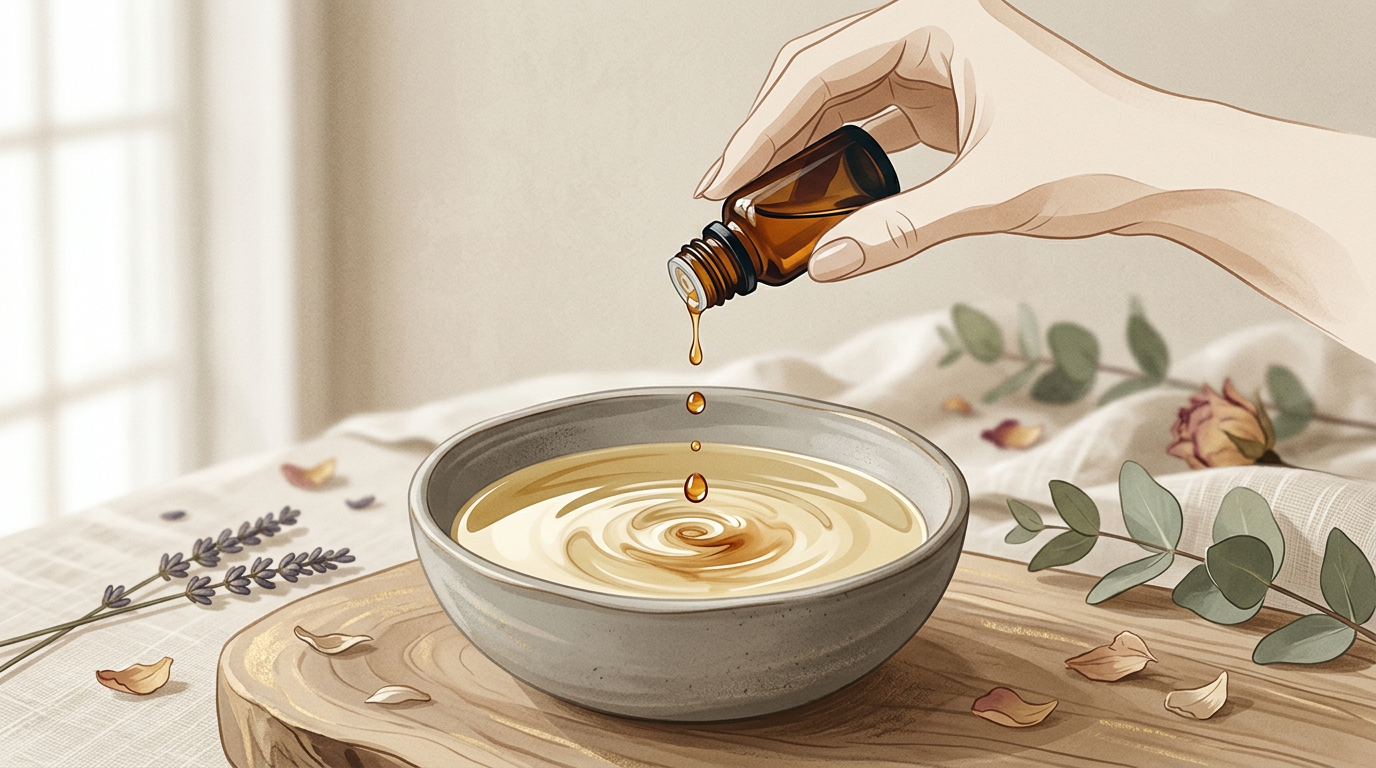
The principle is simple: they should NEVER be applied neat to the skin. They always need to be "carried" or diluted in a carrier oil, like our Young Living V-6 Vegetable Oil Complex (which contains fractionated coconut oil, sesame, grapeseed, sweet almond, and wheat germ oil), or any other pure vegetable oil like almond, jojoba, or coconut. This doesn't diminish their effectiveness, quite the contrary! It allows the essential oil to be absorbed more safely and evenly, covering a larger area without overwhelming the skin's receptors all at once.
Hot Oils vs. Gentle Oils: A Quick Guide to Dilution
| Essential Oil (Latin Name) | Key Active Components | Sensation on Neat Skin | Suggested Dilution (in V-6 or similar) | Recommended Use |
| :--- | :--- | :--- | :--- | :--- |
| Cinnamon (Cinnamomum zeylanicum) | Eugenol, cinnamaldehyde | Very hot, irritating | 1 drop per 8-10 ml of carrier | Always highly diluted for localized massage |
| Clove (Syzygium aromaticum) | Eugenol | Very hot, irritating | 1 drop per 8-10 ml of carrier | High dilution for comfort massages |
| Oregano (Origanum vulgare) | Carvacrol, thymol | Very hot, irritating | 1 drop per 8-10 ml of carrier | Only in very high dilutions, minimal topical use |
| Thyme (Thymus vulgaris) | Thymol, carvacrol | Very hot, irritating | 1 drop per 8-10 ml of carrier | Always heavily diluted for specific applications |
| Peppermint (Mentha piperita) | Menthol | Intense cool, then warm | 1 drop per 3-5 ml of carrier | Always dilute, especially on sensitive skin |
| Ginger (Zingiber officinale) | Zingiberene, ar-curcumene | Warm, slightly spicy | 1 drop per 3-5 ml of carrier | Dilute for comforting muscle massages |
| Young Living Stress Away (blend) | β-caryophyllene, cedrol, limonene | Gentle | Various uses, dilute for sensitive skin | For diffuser, topical (diluted if sensitive) |
| Lavender (Lavandula angustifolia) | Linalool, linalyl acetate | Very gentle | Can be used neat on small areas | Dilute for large areas or sensitive skin |
| Frankincense (Boswellia carterii) | Alpha-pinene, limonene | Very gentle | Can be used neat on small areas | Dilute for large areas or sensitive skin |
The importance of the patch test: Even with gentle oils or correctly diluted ones, it's always an excellent practice to perform a patch test on a small area of skin (like the inner forearm) and wait 24 hours to ensure there is no sensitivity. This way, we avoid surprises!
Mistake #2: Citrus and Sun, the Forbidden Combination
Ah, the sun! Our great friend that gives us vitamin D and joy, but sometimes, if we don't respect it, it can play a trick on us. This is another crucial point, my loves, especially if you enjoy the uplifting citrus aromas, like Lemon (Citrus limon), Bergamot (Citrus bergamia), Orange (Citrus sinensis), or Grapefruit (Citrus paradisi).
These oils, so wonderful for their purifying properties and vibrant aroma, contain natural compounds called furanocoumarins (or psoralens in the case of Lemon, Bergamot, and Grapefruit) and other molecules like d-limonene. These substances are photosensitizing, which means that when they come into contact with the skin and are then exposed to ultraviolet radiation from the sun (or tanning beds), they can cause an adverse reaction. The result? Permanent dark spots (hyperpigmentation), severe burns, or a very annoying and even painful skin irritation.
The Golden Rule of Photosensitivity:
If you apply a citrus essential oil (or a blend containing them) to your skin, the exposed area should not be subjected to direct sunlight or UV rays for a minimum period of 12 to 48 hours. The exact duration depends on the oil and concentration, and you will always find this specific warning on the Young Living label. That's why it's vital to read them!
Does this mean we can't use citrus oils? Not at all! We just need to be strategic:
- In the diffuser: Absolutely safe! Diffusing citrus oils is one of the most delightful ways to lift your spirits, purify the air, and create an atmosphere of joy at any time of day, without worrying about photosensitivity.
- In your nighttime routine: If you love using Lemon oil to tone your skin or Bergamot to soothe it, make it part of your nightly ritual. This gives your skin enough time to metabolize the compounds before the next day's sun exposure.
- On covered areas: If you're going to use a citrus oil topically during the day, make sure to apply it only to areas of the skin that will remain completely covered by clothing.
It's that simple! With a little planning, we can enjoy all the benefits of our favorite citrus oils without any risk.
Mistake #3: Prepping Your DIY Recipes in Plastic Containers
Oh, my queens! This is something that may seem harmless at first glance, but it hides a risk we must be very aware of. At Esseniq, we are committed to a culture of homemade, personalized blends, and reducing toxins. And for that noble mission to be perfect, we must choose the right containers.
Many of our essential oils, especially citrus oils (yes, them again!), are rich in a natural chemical component called d-limonene. This terpene is incredibly versatile and beneficial, but it has a very particular property: it's a potent solvent. What does this mean? It means d-limonene can literally dissolve certain types of plastics, especially low-quality ones (PET or soft plastics) commonly used in cheap containers.
Imagine this: you prepare a wonderful roller with your favorite essential oil and a carrier oil, but you store it in a random plastic bottle. Over time, the d-limonene in the oils will start to interact with the plastic, degrading it. This not only ruins the quality and purity of your blend, but more worryingly, microplastic particles, along with the chemical compounds from the plastic, can migrate into your blend. When you apply that preparation to your skin, you would be absorbing or applying microplastics and petrochemicals directly—the very toxins we are trying to avoid.
The Solution is Simple and Elegant:
For all your DIY (Do It Yourself) blends, your roll-ons, and your sprays, there is only one choice: glass or, in exceptional cases, food-grade stainless steel.
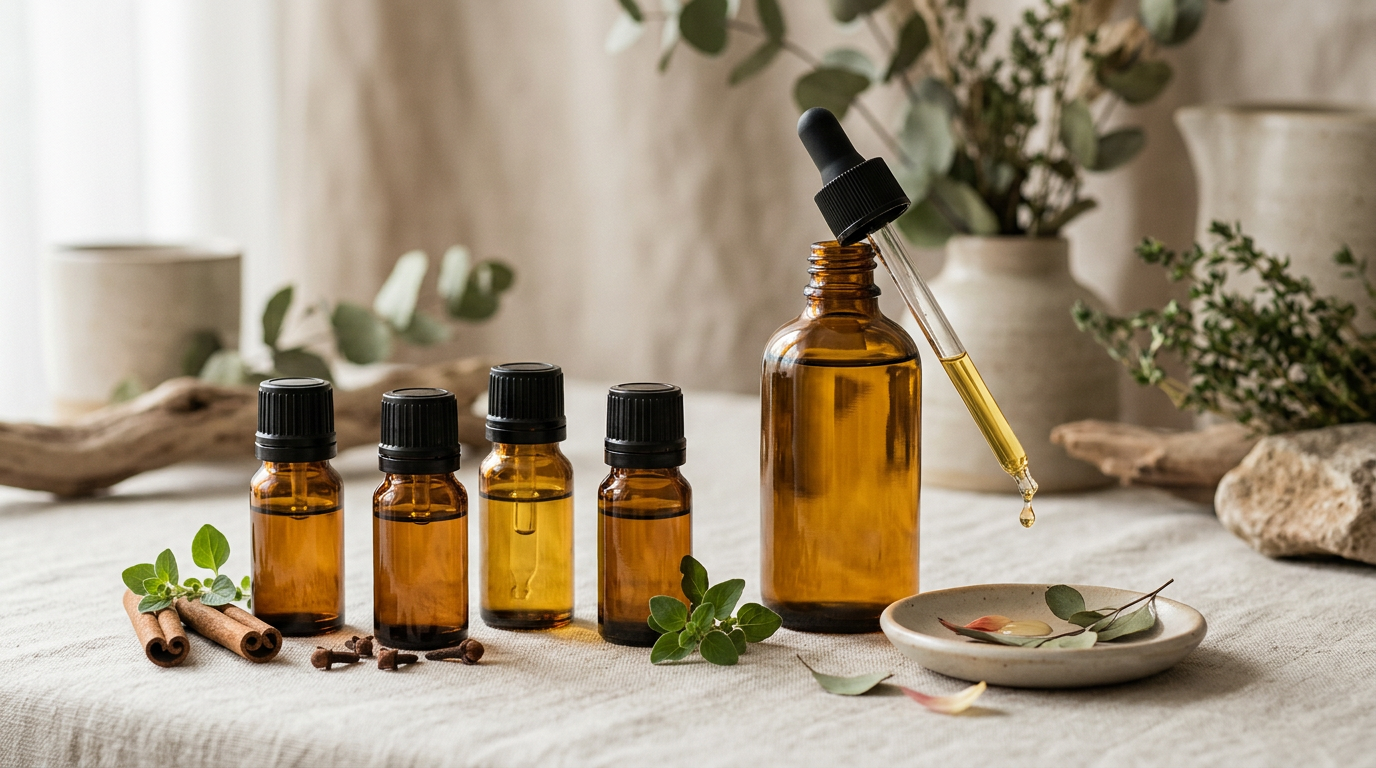
- Amber or Cobalt Blue Glass: This is the ideal option. Glass is inert; it doesn't interact with essential oils. Additionally, dark-colored bottles (amber or cobalt blue) protect the oils from degradation by UV light, extending their shelf life and therapeutic potency. Glass roll-ons are perfect for safe topical applications.
- Stainless Steel: Especially for water bottles or portable misters, high-quality stainless steel is an excellent alternative, as it is also inert and does not react with oils.
Never use: Reused plastic containers, plastic water bottles, or any container not specifically designed for essential oils. Your well-being and the purity of your blends will thank you!
Mistake #4: Water Doesn't Extinguish the Botanical Fire (on Your Skin)
Pay attention, everyone! This is an instinctive mistake we must unlearn because logic plays a trick on us. When something stings, burns, or bothers us on our skin or, worse, in our eyes, our first reaction is to run to the tap, right? Well, when it comes to essential oils, stop right there! Water makes the situation worse.
Why is water the enemy in this case?
Basic chemistry explains it: oil and water don't mix. Essential oils are lipophilic (attracted to lipids or fats) and hydrophobic (repel water). If an essential oil has caused irritation or a burning sensation on the skin, or has accidentally gotten into your eyes, trying to wash it with water only spreads the essential oil over a larger surface area; it doesn't "wash" or remove it. On the contrary, it can push it deeper into the tissues or spread it out, intensifying the discomfort.
The Lifesaving Trick: Carrier Oil is Your Hero!
If you have an adverse reaction to an essential oil—whether it's a stinging, burning sensation, or if it accidentally gets in your eyes—the emergency protocol is always the same: apply a pure, undiluted vegetable oil generously.
- For the Skin: Soak a cotton ball or soft cloth with your favorite carrier oil (Young Living's V-6, fractionated coconut oil, olive oil, sweet almond, jojoba) and gently apply it to the affected area. Repeat several times if necessary. The carrier oil will act like a "magnet," diluting the essential oil and helping to draw it out and soothe the irritation.
- For the Eyes: If a drop of essential oil gets in your eye (oh my goodness!), DO NOT rub or use water. With your eyes closed, apply a little pure carrier oil on a cotton ball or with a clean fingertip to the eyelid and eyelashes. This will help the eye release the diluted essential oil when it opens. You can repeat this several times. If the discomfort persists, seek medical attention.
Always, always have a bottle of carrier oil on hand when you are handling pure essential oils. It's your best friend in an emergency. Dilution with a fatty oil is the safest and most effective way to soothe and neutralize any irritation.
Mistake #5: Ruining Your Investment with Poor Storage
My treasures! Our Young Living essential oils are an investment in wellness. They are precious extracts from nature, distilled with art and science to reach our hands with their full potency. It would be a shame if, by not storing them correctly, they lost their magic before their time, right? This is a common mistake we can avoid with a few simple precautions.
Essential oils are sensitive. Their delicate chemical components, responsible for their therapeutic properties, can easily degrade if exposed to certain elements:
1. **Direct Sunlight and UV Light:** Just as the sun can photosensitize our skin with citrus oils, UV rays are the number one enemy of the chemical stability of essential oils. Light degrades their components and accelerates oxidation, which means they lose their potency and their aroma changes. That's why Young Living packages them in amber or dark glass bottles: to protect them!
2. **Excessive Heat:** High temperatures can volatilize the lighter compounds in oils, altering their molecular balance and reducing their shelf life. Storing oils near windows, radiators, heat-generating appliances, or, for example, in the car on a hot day, is a recipe for disaster.
3. **Humidity:** An excessively humid environment, like the bathroom (yes, I know, it's tempting to have them on hand!), is not the ideal place for our precious bottles. Humidity can promote mold growth on the caps or emulsions if they come into contact with the oil, although this is less common with 100% pure oils. The main problem is the temperature fluctuation and light often found in bathrooms.
4. **Air (Oxidation):** Every time we open a bottle, we allow a small amount of oxygen to enter, which over time can cause oxidation. While we can't avoid opening the bottles, we can make sure to close the caps tightly every time we use them.
Tips to Extend the Shelf Life of Your Oils:
- Cool, Dark Place: The golden rule is to store them in a cabinet, specialized box, or drawer where they won't receive direct light and the temperature is stable and cool (ideally between 60°F and 77°F or 15°C and 25°C).
- Original Containers: Keep your oils in their original amber glass bottles. If you transfer them to roll-ons or diffusers, always use amber or blue glass.
- Tightly Closed Lids: Make sure the lids are always tightly secured to prevent the evaporation of volatile components and excessive oxygen from entering.
- Vertically: Always store them upright to prevent the essential oil from having prolonged contact with the dropper and cap, which could degrade these components or the oil itself in the long run.
- Extreme Temperatures: Avoid storing them in the refrigerator, unless they are particularly delicate oils that Young Living specifically recommends (which is rare). Very cold temperatures can alter the consistency of some oils.
By following these simple guidelines, you'll be protecting your investment and ensuring that every drop of your Young Living essential oil maintains its therapeutic potency and purity for as long as possible. Imagine enjoying your fresh Peppermint or calming Lavender just like the first day, even months later! It's a true act of self-love!
Frequently Asked Questions (FAQ)
What do I do if I get essential oil in my eye?
If essential oil gets in your eyes, DO NOT use water. Immediately and generously apply a pure carrier oil (like Young Living's V-6 Vegetable Oil Complex, olive, or coconut oil) to the eyelid and eyelashes. The oils will dilute each other, and the eye can then release the diluted essential oil. Repeat if necessary. If discomfort persists, seek medical attention.
How long do Young Living essential oils last?
When stored properly (in a cool, dark place with the cap tightly closed), most Young Living essential oils have a shelf life of 2 to 5 years. Citrus oils tend to oxidize faster (1-2 years), while oils like Frankincense or Sandalwood can last 5 years or more. Always check the label and the Young Living guide for specific dates.
What happens if I put lemon oil in a plastic water bottle?
If you put Lemon essential oil (or any other citrus oil) in a regular plastic bottle, the d-limonene present in the oil can gradually dissolve the plastic. This would not only degrade the purity of your drink by introducing microplastics and chemicals from the plastic, but it could also ruin the bottle. Always use glass or stainless steel containers for drinks with essential oils.
Can all essential oils be applied directly to the skin without dilution?
No, not at all! Only a limited number of very gentle essential oils, like Lavender or Frankincense, can be applied neat on small areas if you don't have hypersensitivity. Most oils, especially "hot" ones like Cinnamon, Clove, Oregano, and Thyme, MUST be diluted with a carrier oil to avoid skin irritation. Always perform a patch test before more extensive use.
Is it safe to use essential oils during pregnancy or breastfeeding?
During pregnancy and breastfeeding, it is crucial to be extremely cautious with the use of essential oils. Some oils are contraindicated or require greater dilution. It is always recommended to consult with a healthcare professional experienced in aromatherapy and to review Young Living's specific safety guides. Dilution is your best friend during these special stages.
Conclusion: Knowledge is Our Greatest Aromatic Empowerment
What a joy, my lovely people! We've reached the end of this journey, and I feel in my soul that each of you is leaving here with a much more robust set of knowledge. This isn't about feeling overwhelmed, not for a second! It's about feeling that wonderful sense of empowerment that knowledge gives us. Just as we learn to cook without getting burned, to drive with caution, or to care for a plant so it will flourish, using pure essential oils demands that same curiosity, that same respect, and that same desire to learn.
Every mistake we've broken down today is not a prohibition, but a guide. An invitation for the glorious power of nature, encapsulated in every drop of Young Living, to always be a balm, a support, and a source of well-being in your lives, without any hitches. Understanding how to care for our oils, how to apply them wisely, and how to react in case of a small mishap, is the key to a full and safe experience.
I wholeheartedly congratulate you for taking the time to educate yourselves! Because knowledge, my loves, is power. It's the power to choose well, the power to protect yourselves, and the power to share the benefits of the natural world with your loved ones in a responsible way.
Now, with this wisdom in your hands, you are more than ready to build that safe, vibrant, and certified natural medicine cabinet you've always dreamed of. At Esseniq.es, you will always find the inspiration, tools, and community to continue exploring this wonderful universe. Let's keep flourishing with nature!
---
Disclaimer: This information is for educational purposes and is not intended to diagnose, treat, may support / contribute to, or prevent any disease. Always consult a qualified healthcare professional before modifying your health regimen, especially if you are pregnant, nursing, taking medication, or have a medical condition. Statements about essential oils have not been evaluated by the FDA (U.S. Food and Drug Administration). If you experience an adverse reaction to an essential oil, discontinue use and consult a physician.
---
# Hashtags:
#AromatherapySafety #EssentialOilMistakes #EssentialOilDilution #YoungLivingSafety #ResponsibleAromatherapy
---