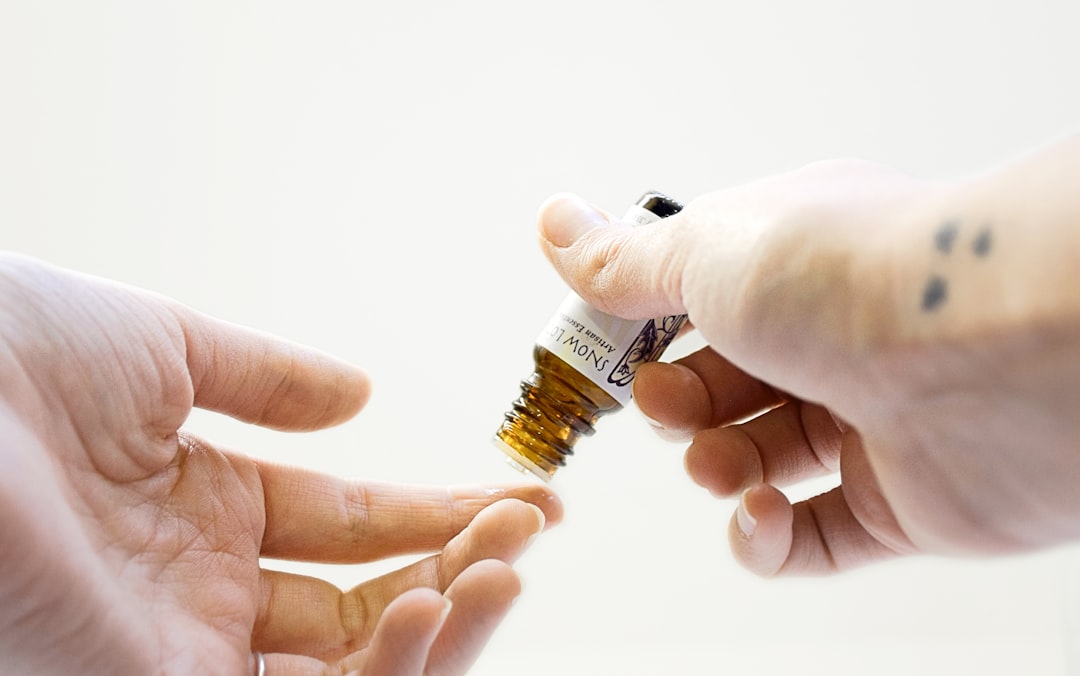
Essential Oils for Carpal Tunnel Syndrome Wellness: Support and Management Considerations
---
1. INTRODUCTION
Carpal Tunnel Syndrome (CTS) is a common condition characterized by compression of the median nerve in the wrist. It is estimated to affect a significant percentage of the adult population, with a higher prevalence in women. Factors such as repetitive use of mobile devices and teleworking have been observed to contribute to its onset.
From a wellness perspective, CTS manifests with sensations of tingling, numbness, and, in some cases, weakness in the thumb area. This condition can impact quality of life and sleep.
While conventional approaches to CTS include the use of splints, anti-inflammatory medications, and, occasionally, surgery, aromatherapy can offer a complementary approach. The use of essential oils with certain properties can contribute to managing discomfort and supporting a localized wellness environment. This guide explores how therapeutic-grade botanical extracts can be considered for general wellness associated with CTS.
---
2. INFORMATIONAL SECTION: ANATOMY AND PHYSIOPATHOLOGY OF THE CARPAL TUNNEL
To understand how essential oils can offer support, it is helpful to know the structure of the carpus. The carpal tunnel is a space bounded by the carpal bones and the transverse carpal ligament, through which tendons and the median nerve pass.
The Compression Mechanism
The reduced space in the carpal tunnel can generate pressure on the median nerve, which can lead to symptoms. This is because pressure can affect nervous microcirculation and nerve function, which can present as:
1. Changes in nerve conduction: Nerve irritation can affect its ability to transmit signals.
2. Fluid accumulation: Tissues can retain fluids, which can perpetuate compression.
3. Sensitization: Sensation receptors can become more sensitive in response to changes in the nerve's environment.
Biochemical Support with Aromatherapy
Some essential oils penetrate the skin and their components can interact with bodily processes in various ways, contributing to wellness:
- Contribution to comfort: Certain molecules can help alleviate localized discomfort.
- CB2 receptor agonism: β-caryophyllene can interact with the endocannabinoid system to promote body balance.
- Modulation of thermal sensations: Menthol can activate specific receptors to provide a refreshing sensation that can be comforting.
---
3. AROMATIC STRATEGY: WELLNESS FUNCTIONS
In addressing CTS wellness, we classify oils according to their support objective:
Group A: Support for General Comfort
Their function is to offer a sensation of relief and support fluid drainage in the area to promote space for the nerve.
- Copaiba (Copaifera officinalis): Rich in β-caryophyllene. It can support the body's natural processes related to comfort.
- Frankincense (Boswellia carterii): Contains boswellic acids that can contribute to a sense of calm.
Group B: Support for Discomfort and Relaxation
Focused on contributing to the management of acute discomfort and relaxing the muscles that can tension the tendons.
- Wintergreen (Gaultheria procumbens): Composed of methyl salicylate. It is traditionally used for muscle comfort.
- Peppermint (Mentha piperita): Menthol can offer a refreshing sensation that helps distract from discomfort.
Group C: Support for Recovery and Local Circulation
They can promote the maintenance of healthy tissues and microcirculation.
- Helichrysum (Helichrysum italicum): It can aid in tissue wellness and localized circulation. Contains italidiones.
- Cypress (Cupressus sempervirens): It can promote fluid drainage and venous tone.
---
4. THE 3 ESSENTIALS FOR WELLNESS (The Must-Haves)
1. Copaiba (Copaifera officinalis)
- Active Component: β-caryophyllene (>50%).
- Mechanism: It is a selective CB2 receptor agonist. Copaiba can contribute to the body's natural balance and support a sense of calm, making it a good complement for comfort in the median nerve area.
2. Wintergreen (Gaultheria procumbens)
- Active Component: Methyl salicylate.
- Mechanism: It can promote a sense of muscular and joint comfort, being an ally for moments of greater discomfort. Its topical application is traditionally used for localized wellness.
3. Helichrysum (Helichrysum italicum)
- Active Component: Neryl acetate and Italidiones.
- Mechanism: This oil is valued for its potential to support tissue health and localized microcirculation, important aspects for median nerve wellness.
---
5. COMPLEMENTARY OILS FOR WELLNESS
- PanAway (Young Living Blend): Contains Wintergreen, Helichrysum, Clove, and Peppermint. It is a synergy that can promote a localized sensation of relief.
- Eburnea: An alternative that can provide comfort to joints and bones.
- Basil (Ocimum basilicum): It can offer a sensation that contributes to the management of paresthesias (tingling). Its methyl-chavicol content can promote muscle relaxation.
- Marjoram (Origanum majorana): Helps relax muscle tension in the forearm, which can contribute to overall wellness.
---
6. OILS TO CONSIDER WITH CAUTION ❌
For individuals with Carpal Tunnel Syndrome and other conditions, consult your doctor before using certain oils:
- ❌ Cinnamon/Cassia: Can be dermal irritants with frequent application in sensitive areas.
- ❌ Wintergreen (for people taking anticoagulants): Methyl salicylate can INTERACT with medications like Warfarin. Always consult your healthcare professional.
- ❌ Peppermint (in babies): Can cause respiratory spasms (does not apply to adults with CTS, but important as a general precaution).
- ❌ Photosensitive oils (Lemon, Orange): If applied to the wrist and exposed to unprotected sun, it can cause photosensitivity.
---
7. BLEND SUGGESTIONS FOR WELLNESS
Suggestion 1: Carpal Wellness Roll-on (Daily Use)
Can support comfort and a feeling of lightness in the wrist.
- Bottle: 10 ml amber glass roll-on.
- Ingredients:
- 10 drops of Copaiba essential oil (Copaifera officinalis)
- 8 drops of Helichrysum essential oil (Helichrysum italicum)
- 6 drops of Cypress essential oil (Cupressus sempervirens)
- Fill with V-6 Vegetable Oil Complex or fractionated coconut oil.
- Dilution: Approx. 5% (For topical use).
- Instructions: Apply to the inner wrist and extend up the forearm. Perform a gentle C-shaped massage 3 times a day.
Suggestion 2: Ointment for Nighttime Comfort
Can contribute to the management of tingling and discomfort to promote rest.
- Base: 30 g of shea butter or natural petroleum jelly.
- Ingredients:
- 12 drops of PanAway Blend (Young Living)
- 10 drops of Basil essential oil (Ocimum basilicum)
- 5 drops of Peppermint essential oil (Mentha piperita)
- Instructions: Heat the butter in a double boiler, add the oils, mix, and let cool. Apply generously before putting on the nighttime splint. Peppermint can provide a sensation that helps distract from discomfort.
Suggestion 3: Bath Salt for Wrist Hydrotherapy
Can promote tendon relaxation and mobility wellness.
- Ingredients:
- 1 cup of Epsom salts (magnesium sulfate)
- 5 drops of Lavender essential oil (Lavandula angustifolia) - to contribute to general calm.
- 5 drops of Wintergreen essential oil (Gaultheria procumbens).
- Instructions: Dissolve in a basin with warm (not hot) water. Submerge hands and wrists for 15 minutes. Perform gentle rotational movements while submerged.
Suggestion 4: Workplace Wellness Spray
For use during the workday in front of the computer. Can support a feeling of lightness.
- Base: 30 ml distilled water + 5 ml witch hazel extract.
- Ingredients:
- 15 drops of Frankincense essential oil (Boswellia carterii).
- 10 drops of Lemongrass essential oil (Cymbopogon flexuosus) - can support ligament wellness.
- Instructions: Shake well and spray on the wrist every 2 hours during work. Leaves no greasy residue on the keyboard.
---
8. SUGGESTED PROTOCOL FOR GENERAL WELLNESS
Phase 1: Focus on Comfort (Days 1 to 7)
- Objective: Promote a sense of comfort and contribute to the management of localized discomfort.
- Action: Apply the Ointment for Nighttime Comfort 4 times a day. Supplement with the intake (if the brand allows and under professional supervision, such as Young Living's Vitality line) of 1 drop of Copaiba in a vegetable capsule every 12 hours for internal support.
- Rest: Consider using a neutral splint as medically recommended.
Phase 2: Support for Recovery (Weeks 2 to 6)
- Objective: Promote tissue wellness and recovery of function.
- Action: Use the Carpal Wellness Roll-on morning and night. Perform gentle median nerve mobility exercises after applying the oils, always under the guidance of a professional.
- Prevention: Evaluate workplace ergonomics and consult preventive measures.
Phase 3: Wellness Maintenance (Ongoing)
- Objective: Help prevent the recurrence of symptoms and maintain tendons and tissues in good condition.
- Action: Hydrotherapy with Epsom salts once a week. Apply Workplace Wellness Spray during periods of intensive screen use.
---
9. SUGGESTED DAILY ROUTINE
| Step | Time | Product | Frequency |
| :--- | :--- | :--- | :--- |
| 1. Balance | Morning (08:00) | Carpal Wellness Roll-on | 1 application |
| 2. Support | During work | Workplace Wellness Spray | Every 2-3 hours |
| 3. Comfort | Evening (18:00) | Massage with pure Copaiba | 5 minutes of massage |
| 4. Rest | Night (22:00) | Ointment for Nighttime Comfort + Splint | Before sleep |
---
10. TIPS FOR CARPAL TUNNEL WELLNESS
1. Layering Technique: To promote absorption, first apply one drop of pure Frankincense, wait 30 seconds, then apply the PanAway blend. Frankincense can help prepare the skin for the application of other oils.
2. Temperature: If the area feels warm, storing the roll-on in the refrigerator can offer a cooling and soothing sensation.
3. Stretches: Perform stretches with caution. Apply essential oils, let them act for 5 minutes, then perform flexor stretches under the guidance of a specialist. The oils can support tissue preparation for elongation.
---
11. DISCLAIMER
IMPORTANT: This guide is informative and educational, based on traditional uses and knowledge of aromatherapy. It does not replace professional medical diagnosis, treatment, or advice. Always consult your healthcare professional before starting any supplementation or wellness method, especially if you have pre-existing health conditions.
Consult your doctor immediately if:
- You experience significant loss or changes in finger sensation.
- You notice that the base of your thumb has changed in shape or size.
- Discomfort is a consequence of acute trauma.
- There are no improvements or symptoms worsen.
This information is for educational purposes only and does not replace professional medical advice. Consult your healthcare professional before starting any supplementation.
---
12. HASHTAGS
#NaturalHealth #ScientificAromatherapy #CarpalTunnel #EssentialOils #HolisticWellness #YoungLivingSpain #NaturalRecipes #OccupationalHealth #MedianNerve #CopaibaBenefits
---
Note to reader: To ensure the desired properties of these protocols, the use of oils with a recognized quality standard is recommended, guaranteeing that constituents such as β-caryophyllene and neryl acetate are present in concentrations that promote wellness.