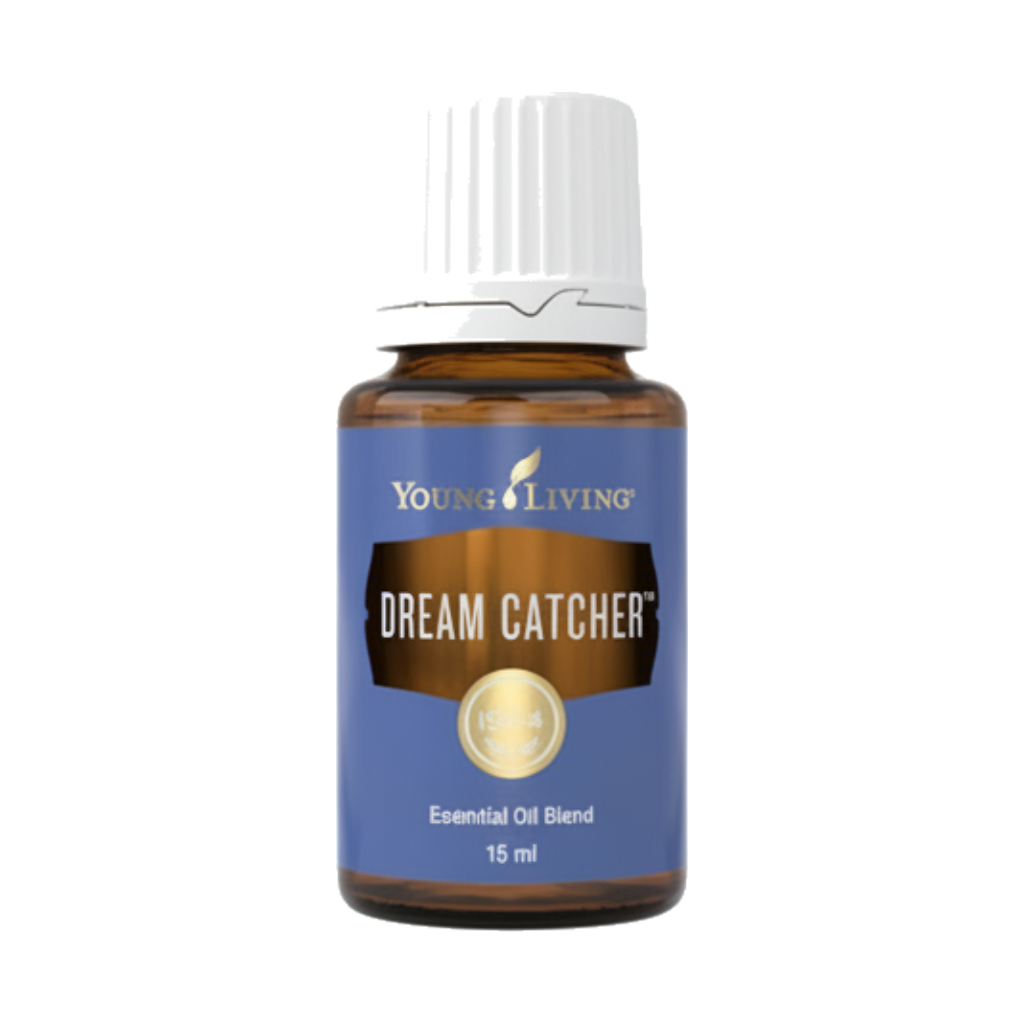
Aroma doesn't sleep for you, but it can become a signal to wind down the day. The key is repetition: same aroma, same time, same gesture.
The Three Most Used References
- Lavender: the classic floral-herbaceous, the most versatile to start with.
- Dream Catcher: a blend with a warmer, resinous aroma, designed for nocturnal diffusion.
- Peace and Calming: a gentle blend widely used in the late afternoon/evening routine; also available in roll-on format.
Four-Step Night Routine
- 90 minutes before: dim the lights and start the diffuser with 4-6 drops in water.
- 60 minutes before: screens off. The aroma acts as a signal only if the rest of the environment supports it.
- 30 minutes before: topical application diluted to 1-2% on wrists, nape of the neck, or soles of the feet.
- At bedtime: program the diffuser with automatic shut-off; it doesn't need to run all night.
Diffusion: How Much and How
In a 10-14 m² bedroom, 4-6 drops and intermittent cycles of 30 minutes are sufficient. Models like the Rainstone Diffuser or the Desert Mist allow for programmed shut-off. Ventilate the room in the morning.
Common Mistakes
- Changing aroma every night: the association is lost.
- Overloading the diffuser: more drops do not equate to a better result and saturate the sense of smell.
- Applying undiluted to sensitive skin.
- Expecting the aroma to compensate for late caffeine, heavy dinners, or screens until the last minute.
Frequently Asked Questions
Can I leave the diffuser on all night?
It's not necessary. Intermittent cycles with programmed shut-off are sufficient and preserve the device.
Is it suitable for children's rooms?
With very low doses, intermittent diffusion, and a ventilated room. For children, consult a pediatrician first.
What if I have pets in the bedroom?
Cats are especially sensitive. Ensure a clear exit from the room and consult your veterinarian.
Informational content. Essential oils do not treat or cure sleep disorders. If you have persistent insomnia, consult a healthcare professional.