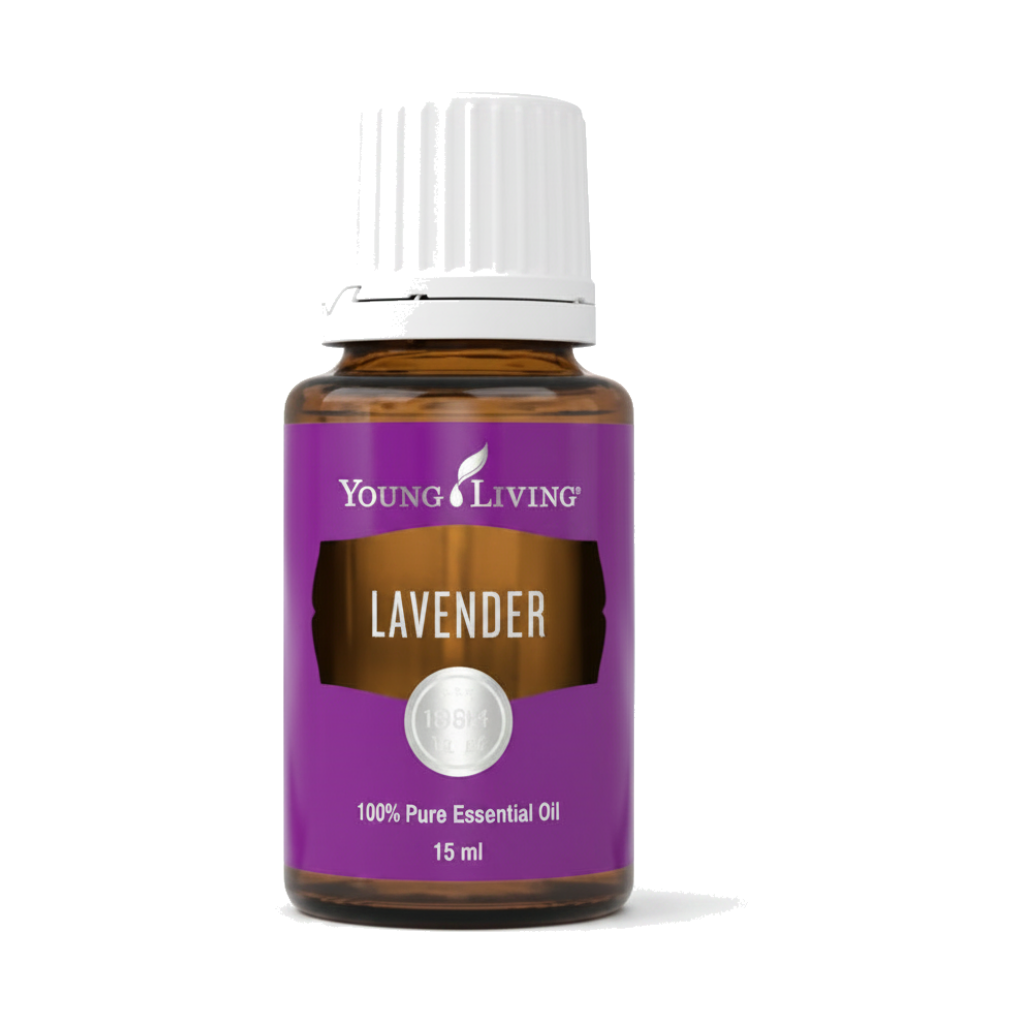
An essential oil label says much more than it seems. With this eight-point checklist, you can evaluate any bottle in less than a minute, no matter the brand.
1. Botanical Name in Latin
The complete species must appear: Lavandula angustifolia is not the same as Lavandula latifolia. If it just says "lavender," you don't know what you're buying.
2. Part of the Plant Distilled
Flowering tops, leaf, bark, root, peel. The composition changes radically: cinnamon from bark and cinnamon from leaf are not interchangeable.
3. Method of Extraction
Steam distillation, cold pressing (citrus), or CO₂ extraction. An "absolute" is obtained with solvent and is not considered a true essential oil.
4. Geographical Origin and Lot Number
Country of cultivation and lot number allow traceability. Without a lot number, there's no way to track the corresponding analysis.
5. "100% Pure" vs. "Fragrance"
If the label says parfum, fragrance oil, or "aromatic essence," it is not an essential oil. If it says "pure essential oil," the ingredient list should contain a single ingredient.
6. Volume, Packaging, and Expiration
Amber or blue glass, dropper cap, and tamper-evident seal. Clear plastic degrades the content. Also look for the PAO symbol (months after opening).
7. Precautionary Statements and Pictograms
A genuine essential oil carries warnings: keep out of reach of children, do not apply undiluted, avoid sun exposure after applying citrus oils. Its absence is a bad sign.
8. Declared Use
Check if the manufacturer declares it for aromatic, topical, or internal use. Not all oils from the same plant have the same classification.
Catalog Examples
You can practice the checklist with real product sheets like the Lavender Essential Oil, the Thieves Essential Oil or the V-6 Enhanced Vegetable Oil.
Frequently Asked Questions
Is "Therapeutic Grade" an official certification?
No. There is no public body that grants this category; it is a commercial designation used by each brand.
Is an expensive oil necessarily better?
Not always, but a very low price for costly species (rose, melissa, sandalwood) usually indicates dilution or adulteration.
What if the botanical name is missing?
Avoid the product for topical use. Without an identified species, you cannot assess contraindications.
Informational content. It does not replace the advice of a healthcare professional. Always consult the manufacturer's instructions.