```markdown
Mini-course: Integrative Oral Hygiene with Essential Oils
In our tireless journey for holistic wellness, we often focus on complex internal systems, forgetting that the gateway to our general health is, no more and no less, our mouth. Oral hygiene goes far beyond a beautiful smile; it is a direct reflection of the health of our entire organism. Statistics don't lie: the World Health Organization (WHO) estimates that oral diseases affect nearly 3.5 billion people worldwide, with dental caries and periodontal diseases (such as gingivitis and periodontitis) being the most common conditions. These not only cause pain and affect quality of life but have also been linked to systemic conditions such as heart disease, diabetes, and pregnancy complications.
But it's not all bad news. There is a path to optimal oral health that integrates ancient wisdom with modern science, a holistic approach that empowers each individual to take charge of their oral well-being. This mini-course, designed for natural health professionals and enthusiasts who are part of Esseniq's Axis 3 Specialization Mini-Courses, will guide you through the principles of integrative oral hygiene. We will set aside chemical-laden products to embrace the power of nature, focusing on the strategic use of key ingredients such as coconut oil, clove, and peppermint. Get ready to discover how these botanical allies can support your daily hygiene routine and contribute to the maintenance of healthy-looking gums, in a didactic, practical, and preventive way.
Remember: This content supports your daily hygiene routine and the maintenance of healthy-looking gums. In no case does it substitute professional dental advice, diagnosis, or treatment. Always consult your dentist for any oral health concerns or conditions.
Module 1: The Oral Microbiota and Natural Prevention
The mouth is much more than the beginning of the digestive tract; it is a complex and dynamic ecosystem, a true microcosm that harbors one of the most diverse microbial communities in the human body: the oral microbiota. It is estimated that hundreds of species of bacteria, fungi, viruses, and protozoa coexist in our mouth, living in a delicate balance. When this balance is disturbed, oral health problems arise, from cavity formation to gum inflammation.
Physiology and Mechanisms of Common Oral Conditions:
- Dental Caries: Caries is the result of tooth enamel demineralization caused by acids produced by certain bacteria (mainly *Streptococcus mutans*) that metabolize sugars present in our diet. When the oral microbiota is unbalanced, these cariogenic bacteria proliferate, creating an acidic environment that erodes the tooth. Bacterial plaque, a sticky film of bacteria and food debris, is the perfect breeding ground for this process.
- Gingivitis and Periodontitis: Periodontal diseases are inflammations of the gums (gingivitis) and, in more advanced stages, of the tooth's supporting structures (periodontitis). Gingivitis is mainly caused by the accumulation of bacterial plaque at the gum margin, which causes the gums to become inflamed, red, and bleed easily. If left untreated, gingivitis can progress to periodontitis, a more serious condition where inflammation spreads, destroying the bone and ligaments supporting the teeth, potentially leading to tooth loss. Certain gram-negative anaerobic bacteria, such as *Porphyromonas gingivalis* and *Aggregatibacter actinomycetemcomitans*, play a crucial role in the pathogenesis of periodontitis, triggering a disproportionate inflammatory response from the host.
- Halitosis (Bad Breath): Although often associated with digestive problems, the most common cause of halitosis is the bacterial decomposition of food debris and dead cells in the mouth, especially on the tongue and between the teeth. Anaerobic bacteria produce volatile sulfur compounds (VSCs) such as hydrogen sulfide and methyl mercaptan, which are responsible for the unpleasant odor. An imbalance in the oral microbiota can exacerbate this problem.
The Esseniq Integrative Approach:
Our philosophy at Esseniq is that prevention can best support/contribute to health. An integrative approach seeks not only to eliminate pathogens but also to nourish a healthy oral environment that promotes the growth of beneficial bacteria and keeps harmful ones at bay. This is where essential oils and carrier oils come into play, offering antimicrobial, anti-inflammatory, and antioxidant properties naturally.
The action of essential oils in oral health is due to their diverse active components. For example, many oils possess terpenes and phenols that can alter the bacterial cell membrane, inhibiting their growth and adhesion. Others modulate the inflammatory response through pathways such as cyclooxygenase (COX) inhibition or modulation of pro-inflammatory cytokines.
Module 2: Coconut Oil, Clove, and Peppermint
These three botanical pillars are the foundation of our integrative oral hygiene strategy. Each offers unique properties that, in synergy, provide comprehensive support for our oral health.
The 3 Essentials for Integrative Oral Hygiene:
1. **Coconut Oil (*Cocos nucifera*):**
- Key Active Components: Lauric acid (approx. 50% of its fatty acids).
- Mechanism of Action: Lauric acid is known for its potent antimicrobial properties, especially against *Streptococcus mutans*, the main bacteria causing cavities. It acts by destabilizing the bacterial cell membrane, leading to its lysis. It also has antifungal properties. "Oil pulling" with coconut oil is an ancient Ayurvedic practice that helps to "draw out" fat-soluble bacteria and toxins from the mouth, reducing the overall bacterial load and promoting oral detoxification.
- Additional Benefits: Hydrates gums and oral mucosa, relieves dry mouth, and can contribute to a sensation of cleaner, brighter teeth.
2. **Clove Essential Oil (*Syzygium aromaticum*):**
- Key Active Components: Eugenol (approx. 70-90%).
- Mechanism of Action: Eugenol is a potent phenol with broad antimicrobial (antibacterial and antifungal), analgesic, and anti-inflammatory properties. It acts by inhibiting the growth of periodontopathogenic bacteria and *Streptococcus mutans*. Its analgesic action is due to its ability to block sodium channels in nerve endings, being traditionally used for toothaches. The anti-inflammatory properties of eugenol are related to the inhibition of pro-inflammatory enzymes such as cyclooxygenase-2 (COX-2) and the reduction of inflammatory cytokine production.
- Additional Benefits: Freshens breath and promotes a healthy oral environment.
3. **Peppermint Essential Oil (*Mentha piperita*):**
- Key Active Components: Menthol (approx. 30-50%), menthone (approx. 15-30%).
- Mechanism of Action: Menthol possesses antimicrobial properties against various oral bacterial strains and antifungal properties. It is known for its cooling effect, activating TRPM8 receptors (transient receptor potential melastatin 8) in nerve endings, which produces a sensation of cold. It helps inhibit the growth of bacteria responsible for bad breath and reduces inflammation.
- Additional Benefits: Provides long-lasting fresh breath and a deep cleaning sensation.
Complementary Oils to Enhance the Effect:
- Tea Tree Essential Oil (*Melaleuca alternifolia*): Terpinen-4-ol (approx. 30-48%). Potent broad-spectrum antimicrobial, useful against bacteria and fungi. Caution: use in low dilutions.
- Myrrh Essential Oil (*Commiphora myrrha*): Furanosesquiterpenes. Known for its astringent, antiseptic, and anti-inflammatory properties, ideal for delicate or irritated gums.
- Lemon Essential Oil (*Citrus limon*): d-Limonene (approx. 58-76%). Mild antiseptic and refreshing. Helps dissolve plaque biofilm. Caution: can be photosensitive if applied externally, but in oral rinses, it poses no risk.
- Eucalyptus Radiata Essential Oil (*Eucalyptus radiata*): 1,8-cineole (eucalyptol, approx. 60-75%). Antimicrobial and expectorant properties, contributes to a sensation of clear airways and oral cleanliness.
Oils to Avoid in Oral Hygiene:
❌ Cinnamon Essential Oil (*Cinnamomum zeylanicum/cassia*): Although a potent antimicrobial (cinnamaldehyde, eugenol), it is extremely irritating to mucous membranes in high concentrations and can cause burns. Not recommended for internal oral use.
❌ Oregano Essential Oil (*Origanum vulgare*): Very potent and caustic (carvacrol, thymol). Can be irritating even in low dilutions and strongly alter the oral microbiota if used indiscriminately.
❌ Thyme Essential Oil (*Thymus vulgaris* chemotype thymol): Similar to oregano, it is very potent and potentially irritating to mucous membranes.
❌ Wintergreen Essential Oil (*Gaultheria procumbens*): Contains methyl salicylate (approx. 98%), which is a component similar to aspirin. It is toxic if ingested in large quantities and can interact with anticoagulant medications. Not suitable for oral use.
Synergy Table for Oral Health:
| Essential Oil | Main Active Component | Key Properties | Specific Uses in Oral Health | Relevant Mechanism of Action |
| :-------------- | :-------------------------- | :---------------- | :----------------------------- | :---------------------------- |
| Coconut (Carrier) | Lauric Acid | Antimicrobial, Hydrating | Oil pulling, base for pastes | Destabilizes bacterial membranes |
| Clove | Eugenol | Analgesic, Anti-inflammatory, Antimicrobial | Toothache, inflamed gums, halitosis | Inhibits COX-2, blocks sodium channels |
| Peppermint | Menthol, Menthone | Refreshing, Antimicrobial, Anti-inflammatory | Fresh breath, deep cleaning, gingivitis | Activates TRPM8, inhibits bacterial growth |
| Tea Tree | Terpinen-4-ol | Antiseptic, Antifungal | Infections, canker sores, gingivitis | Alters bacterial cell membranes |
| Myrrh | Furanosesquiterpenes | Astringent, Antiseptic, Healing | Bleeding gums, canker sores, post-extraction | Modulates NFκB, promotes tissue regeneration |
| Lemon | d-Limonene | Antiseptic, Deodorizing | Natural whitening (mild), halitosis | Dissolves biofilm, inhibits bacterial enzymes |
| Eucalyptus Radiata | 1,8-Cineole (Eucalyptol) | Antimicrobial, Decongestant | Sensation of clear passages, oral cleansing | Inhibits bacterial growth, modulates inflammation |
Module 3: Creating Your Own Botanical Mouthwash and Practical Protocols
The magic of essential oils lies in their versatility. Below, we will explore precise and detailed recipes to integrate these powerful allies into your oral hygiene routine, along with a structured phased protocol.
Considerations on Dilutions:
For oral use, dilutions should be low, generally between 0.5% and 1% for daily or continuous applications, and up to 2-3% for specific, short-term treatments in adults, always under supervision. For mucous membranes, sensitivity is higher, so it is imperative to start with the lowest dilutions.
SPECIFIC RECIPES:
Recipe 1: Esseniq "Clean Mint" Refreshing and Protective Mouthwash
This daily mouthwash helps maintain oral microbiota balance and provides long-lasting fresh breath.
- Ingredients:
- Fractionated Coconut Oil Young Living: 50 ml
- Purified Water: 50 ml
- Peppermint Essential Oil (*Mentha piperita*) Young Living: 5 drops
- Clove Essential Oil (*Syzygium aromaticum*) Young Living: 2 drops
- Myrrh Essential Oil (*Commiphora myrrha*) Young Living: 1 drop
- Baking Soda (food grade): 1/2 teaspoon (optional, to boost pH)
- Preparation:
1. In a 100 ml dark glass bottle with a lid, pour the fractionated coconut oil.
2. Add the drops of Peppermint, Clove, and Myrrh essential oils.
3. If using baking soda, add it now.
4. Close the bottle and shake vigorously so that the essential oils disperse in the carrier oil.
5. Add the purified water. Shake vigorously again before each use. The oils will not completely dissolve in the water, which is why the fractionated coconut oil base helps with dispersion.
- Application Instructions:
1. After brushing your teeth, shake the bottle well.
2. Pour 10-15 ml (approximately one tablespoon) of the mixture into your mouth.
3. Rinse vigorously for 30-60 seconds, covering the entire oral cavity.
4. Spit out the mixture. Do not swallow.
5. Frequency: Use once daily, preferably in the morning or at night.
6. Duration: Can be used continuously as part of the daily routine.
- Total EO Dilution: (5+2+1=8 drops in 100 ml) = 8 drops / (100 ml * 20 drops/ml) = 8 / 2000 = 0.4%, which is a very safe dilution for daily use.
Recipe 2: Soothing Gel for Sensitive and Delicate Gums
Ideal for moments of gum sensitivity or intense post-brushing.
- Ingredients:
- Pure Aloe Vera Gel (additive-free, food-grade): 30 ml
- Frankincense Essential Oil (*Boswellia carterii*) Young Living: 3 drops
- Myrrh Essential Oil (*Commiphora myrrha*) Young Living: 2 drops
- Lavender Essential Oil (*Lavandula angustifolia*) Young Living: 1 drop
- Preparation:
1. In a small glass container with an airtight lid (like a cream jar), pour the aloe vera gel.
2. Add the drops of Frankincense, Myrrh, and Lavender.
3. Mix gently with a glass or plastic spatula until the essential oils are well incorporated.
- Application Instructions:
1. After oral hygiene, apply a small amount of the gel (about pea-sized) with a clean finger or cotton swab.
2. Gently massage onto sensitive or irritated gums.
3. Do not rinse. Avoid eating or drinking for at least 30 minutes.
4. Frequency: 2-3 times a day as needed.
5. Duration: Use until sensitivity subsides or gums return to a healthy appearance.
- Total EO Dilution: (3+2+1=6 drops in 30 ml) = 6 drops / (30 ml * 20 drops/ml) = 6 / 600 = 1%. Suitable for localized and temporary treatment.
Recipe 3: Esseniq "Deep Clean" Intensive Oil Pulling Treatment
For a deeper cleanse and support for oral detoxification.
- Ingredients:
- Extra Virgin Coconut Oil (unrefined, cold-pressed): 10 ml per session
- Clove Essential Oil (*Syzygium aromaticum*) Young Living: 1 drop
- Tea Tree Essential Oil (*Melaleuca alternifolia*) Young Living: 1 drop
- Lemon Essential Oil (*Citrus limon*) Young Living: 1 drop
- Preparation (per session):
1. Gently melt one tablespoon (approx. 10 ml) of extra virgin coconut oil if it is solid. You can do this in a double boiler or by holding the jar in your hands for a few minutes.
2. Once liquid, add the drops of Clove, Tea Tree, and Lemon directly to the oil.
- Application Instructions:
1. In the morning, on an empty stomach and before brushing your teeth, pour the coconut oil mixture with the essential oils into your mouth.
2. Swish the oil around your mouth, pulling it between your teeth and over your gums, for 10-15 minutes. Do not gargle or swallow the oil. The idea is to "draw out" toxins and bacteria.
3. When the oil turns whitish and milky, spit it into a trash can (not the sink to avoid clogs from oil solidification).
4. Rinse your mouth thoroughly with warm water and then brush your teeth as usual.
5. Frequency: 2-3 times per week for an intensive treatment.
6. Duration: You can do this for 2-4 weeks and then space out the frequency to once a week or as needed.
- Total EO Dilution: (1+1+1=3 drops in 10 ml) = 3 drops / (10 ml * 20 drops/ml) = 3 / 200 = 1.5%. This dilution is suitable for a specific and brief treatment, not for prolonged daily use due to the potency of Tea Tree.
PHASED PROTOCOL:
This protocol is designed to adapt to the changing needs of your oral health, from an acute crisis to daily maintenance.
1. Acute Crisis (e.g., Toothache, Acute Gum Inflammation, Persistent Canker Sore):
- Objective: Relieve pain, reduce inflammation, and control bacterial proliferation.
- Esseniq Products:
- Soothing Gel for Sensitive and Delicate Gums (Recipe 2): Apply directly to the affected area 3-4 times a day. The Eugenol from Clove (present in small amounts or 1 extra drop can be added to Recipe 2 for localized pain) and furanosesquiterpenes from Myrrh, along with Lavender's calming properties, will provide significant relief.
- Esseniq "Deep Clean" Oil Pulling (Recipe 3): Perform once daily for 5-7 days. The antimicrobial components of Clove, Tea Tree, and Lemon will help reduce the overall bacterial load that may be contributing to the crisis.
- Frequency: Maintain for 3-5 days or until acute symptoms improve.
- Important: If pain persists, worsens, or there are signs of infection (fever, severe swelling), consult a dentist immediately.
2. Subacute Phase (e.g., Mild to Moderate Gingivitis, Occasional Gum Bleeding, Prolonged Sensitivity):
- Objective: Consolidate improvement, reduce residual inflammation, and prevent relapse.
- Esseniq Products:
- Esseniq "Clean Mint" Refreshing and Protective Mouthwash (Recipe 1): Use twice daily (morning and night) after brushing. Peppermint, Clove, and Myrrh in mild dilution will continue to support gum health and microbiota.
- Soothing Gel for Sensitive and Delicate Gums (Recipe 2): Apply once daily, preferably at night, to areas that still show some sensitivity or redness.
- Frequency: Maintain for 2-4 weeks.
3. Prevention and Maintenance (Daily Oral Wellness Routine):
- Objective: Maintain optimal oral health, prevent cavities and periodontal diseases, and enjoy fresh breath.
- Esseniq Products:
- Esseniq "Clean Mint" Refreshing and Protective Mouthwash (Recipe 1): Use once daily (morning or night) after brushing.
- Regular Brushing with Natural Toothpaste: Use a fluoride- and sulfate-free toothpaste, ideally enriched with Xylitol. You can add 1 drop of Young Living Peppermint essential oil directly to your toothbrush with toothpaste once a day for an extra boost of freshness and cleanliness.
- Esseniq "Deep Clean" Oil Pulling (Recipe 3): Perform once a week as part of your detoxification and maintenance routine.
- Frequency: Continuous, as part of daily oral hygiene.
DAILY INTEGRATIVE ORAL HYGIENE ESSENIQ ROUTINE:
| Step | Esseniq Product / Action | Frequency | Key Notes |
| :------------------------------------ | :---------------------------------------- | :---------------------- | :--------------------------------------------------------------------------------- |
| Morning (upon waking) | Esseniq "Deep Clean" Oil Pulling (Recipe 3) | 1-3 times/week | Perform on an empty stomach. Spit into the trash. |
| Morning (after Oil Pulling/breakfast) | Tooth Brushing | 1 time/day | Use natural toothpaste + 1 drop Peppermint EO (optional). |
| | Tongue Cleaning | 1 time/day | Use a copper or stainless steel tongue scraper. |
| | "Clean Mint" Mouthwash (Recipe 1) | 1 time/day | Shake well before use. Rinse vigorously. |
| Night (before sleep) | Tooth Brushing | 1 time/day | Carefully clean all tooth surfaces. |
| | Use Dental Floss or Interdental Brushes | 1 time/day | Essential for removing plaque between teeth. |
| | "Clean Mint" Mouthwash (Recipe 1) | 1 time/day | For a fresh and clean oral environment overnight. |
| As needed | Soothing Gum Gel (Recipe 2) | 2-3 times/day (localized) | Apply directly to sensitive or irritated gums. Do not rinse. |
ADDITIONAL PRACTICAL TIPS AND ADVICE:
1. Hydration is Key: Drinking enough water throughout the day helps keep your mouth moist, which is vital for saliva production, a natural protector against cavities and bacteria.
2. Anti-inflammatory Diet: Reduce consumption of refined sugars and processed foods. Opt for a diet rich in fruits, vegetables, healthy fats, and lean proteins to support the health of your oral and general microbiota. Foods rich in vitamin C (citrus, peppers) and antioxidants are excellent for gum health.
3. Quality Toothbrushes: Use a soft-bristled brush and change it every 3 months or sooner if bristles are worn. Consider an electric toothbrush for more efficient cleaning.
4. Tongue Scraper: The tongue is a reservoir of bacteria that cause bad breath. Using a copper or stainless steel tongue scraper in the mornings is a simple but very effective step.
5. Regular Dental Check-ups: Despite an excellent at-home routine, visits to the dentist every 6-12 months are fundamental for professional cleanings and preventive check-ups.
6. Stress Reduction: Chronic stress can negatively affect the immune system, making gums more susceptible to inflammation. Practices like meditation, yoga, or diffusing relaxing essential oils (like Lavender or Frankincense) can be beneficial.
7. Avoid Tobacco and Alcohol: Both are significant risk factors for periodontal diseases, cavities, and oral cancer.
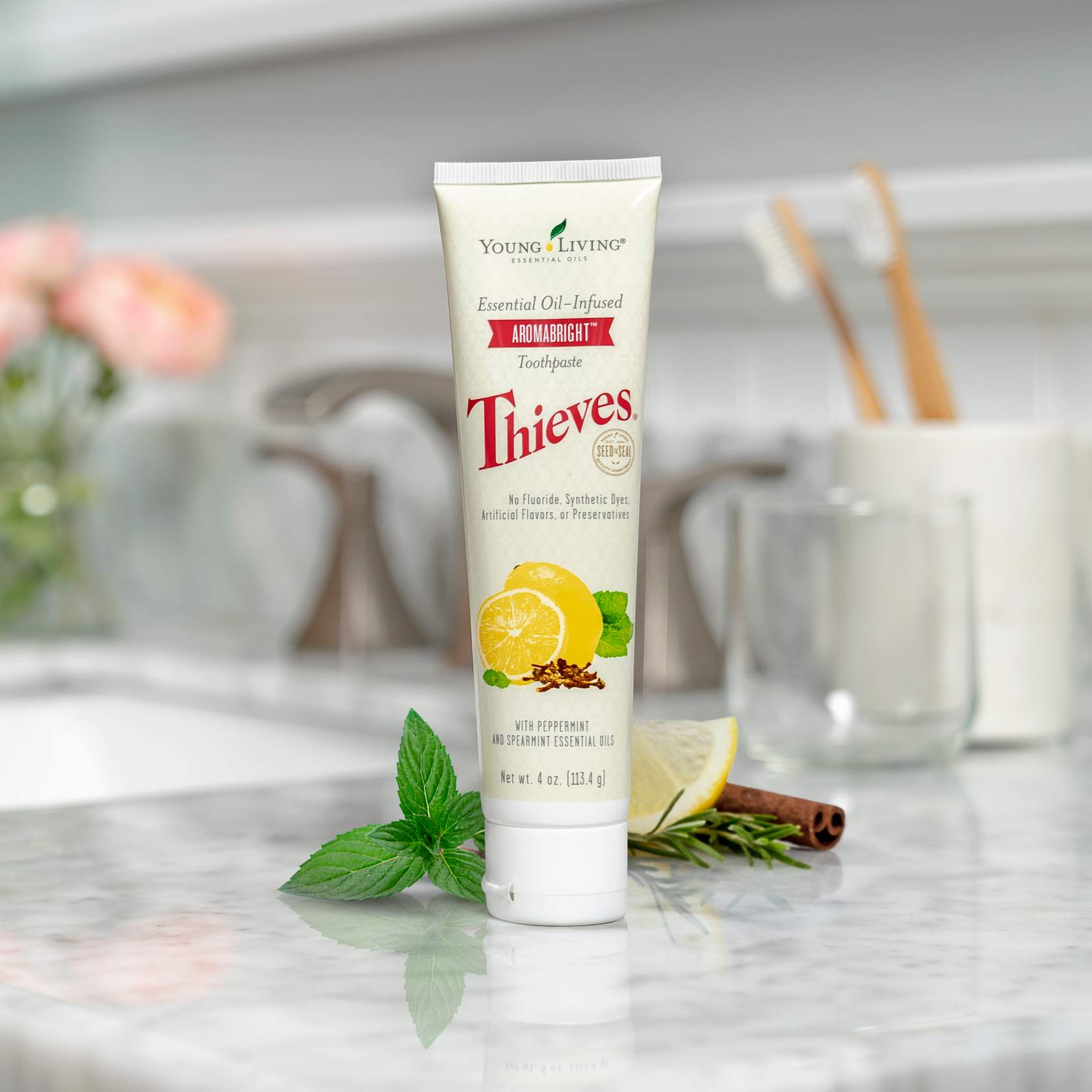
8. Thieves Essential Oil (Young Living): Although not the basis of this course, the Thieves blend is an excellent option to complement oral hygiene. You can add 1 drop to your toothpaste occasionally or use the Thieves oral hygiene product line (toothpaste, mouthwash) which are already formulated with this potent blend (Clove, Lemon, Cinnamon, Eucalyptus Radiata, and Rosemary). Its synergy is designed to be compatible and safe in Young Living oral products.
FREQUENTLY ASKED QUESTIONS (FAQ) FROM STUDENTS:
1. Is it safe to swallow essential oils when oil pulling or using mouthwashes?
No, it is not recommended to swallow the oils used in oil pulling or mouthwashes. During oil pulling, the oils "draw out" toxins and bacteria from the mouth, and swallowing them would mean reintroducing those substances into the digestive system. In the case of mouthwashes, although dilutions are low, prolonged use or ingestion of certain components might not be ideal. Always spit and rinse well afterward.
2. Can I use these protocols if I have braces or dental implants?
Yes, in general, these protocols are safe and beneficial for people with orthodontics or implants. In fact, essential oils can help maintain hygiene in hard-to-reach areas around appliances. However, if you have any specific concerns or experience irritation, consult your orthodontist or implant specialist. Always ensure that coconut oil does not clog your braces.
3. How often should I do oil pulling?
For general maintenance and prevention, 2-3 times per week is sufficient. If you are addressing a specific issue, such as mild gingivitis, you could do it once a day for 1-2 weeks, then reduce the frequency. Listen to your body and observe how you react. It is not recommended to do it daily long-term without supervision, as it could excessively alter the microbiota.
4. Can I substitute coconut oil with another carrier oil in the recipes?
For oil pulling, coconut oil is the most recommended due to its high lauric acid content and its specific antimicrobial properties against oral bacteria. For gels or mouthwashes, fractionated coconut oil is ideal for its lightness and ease of mixing, but if you don't have it, you can try jojoba or sweet almond oil, although their antimicrobial benefits will be different.
5. Can essential oils whiten my teeth?
Some oils, like Lemon or Tea Tree, have slightly astringent and cleansing properties that can help remove superficial stains and improve the natural brightness of teeth. However, they are not tooth whiteners in the sense of modifying the intrinsic color of enamel, like peroxide treatments. Always use safe dilutions to avoid enamel erosion.
6. Are these protocols safe for children?
The internal use of essential oils (even as a mouthwash that might be swallowed) is not recommended for young children without the supervision and guidance of a healthcare professional or certified aromatherapist. Dilutions for children are much lower, and some oils are not suitable. For children, the most important thing is good brushing with age-appropriate toothpaste and regular visits to a pediatric dentist.
7. What is "lauric acid" and why is it important for oral health?
Lauric acid is a medium-chain fatty acid found in high concentration in coconut oil. It is particularly important for oral health because it has been shown to have potent antimicrobial properties, especially against *Streptococcus mutans*, the main bacteria causing cavities. It acts by destabilizing the cell membrane of these bacteria, leading to their elimination.
8. How does Eugenol affect gum inflammation?
Eugenol, the main active component of Clove essential oil, is a phenol with potent anti-inflammatory properties. It acts by inhibiting pro-inflammatory enzymes such as cyclooxygenase-2 (COX-2) and reducing the production of inflammatory cytokines in tissues. This action helps decrease redness, swelling, and pain associated with gingivitis and other gum inflammations.
9. Why does menthol in peppermint give that fresh sensation?
Menthol, the predominant active component in Peppermint, produces a sensation of freshness by activating TRPM8 receptors (transient receptor potential melastatin 8) in the nerve endings of the mouth and skin. These receptors are responsible for detecting cold, so their activation by menthol sends a signal to the brain that is interpreted as a refreshing sensation.
DISCLAIMER:
This "Mini-course: Integrative Oral Hygiene with Essential Oils" has been prepared for educational and informational purposes and is not intended to replace professional dental advice, diagnosis, or treatment. The information provided on the use of essential oils is to support daily hygiene routine and the maintenance of healthy-looking gums.
Warning Signs to Consult a Dentist:
- Persistent or severe tooth or gum pain.
- Abundant or spontaneous gum bleeding.
- Very inflamed, red, or painful gums.
- Tooth mobility.
- Persistent halitosis that does not improve with hygiene.
- Any lesion, ulcer, or change in the mouth that does not heal within two weeks.
- Fever, facial swelling, or difficulty swallowing, which may indicate a serious infection.
These statements have not been evaluated by the Food and Drug Administration (FDA). The products and techniques described are not intended to diagnose, treat, support/contribute to, or prevent any disease. Always consult a qualified healthcare professional before starting any new health regimen, especially if you are pregnant, nursing, taking medication, or have a pre-existing medical condition. Suggested dilutions are based on clinical aromatherapy guidelines (e.g., Tisserand and Young) but individual response may vary. Always perform a patch test on a small skin area before extensive application.
---
Congratulations! You have completed the "Mini-course: Integrative Oral Hygiene with Essential Oils." We hope this ultra-detailed guide empowers you on your journey towards more natural and conscious oral wellness.
To promote maximum safety and effectiveness in all your essential oil preparations, we invite you to use the Precision Dilution Calculator available on the Esseniq portal. Click here to access this indispensable tool and customize your recipes like a true expert!
---