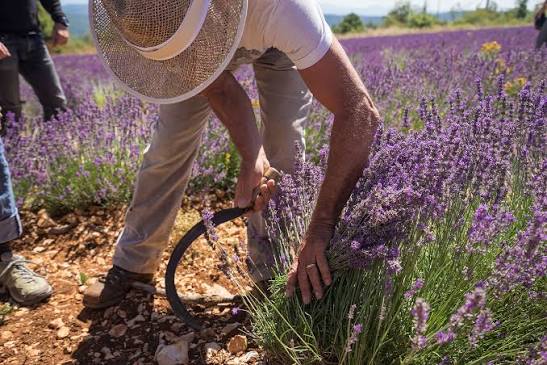
On our journey through the vast and fascinating universe of essential oils, there is one star that shines brightly, an essence that has cradled generations and beautified skin throughout the centuries. We are talking about lavender, that purple elixir which, with its unmistakable aroma, has earned a privileged place in our hearts and in our natural medicine cabinets. Today, we will dive into the depths of this indispensable classic, unveiling the science behind its magic and the infinite ways it can weave its mantle of calm and well-being into your life.
Lavender Oil: The Indispensable Classic for Calm and Skin
Introduction: The Purple Embrace of Well-being
In a world that often spins at a dizzying pace, where stress and anxiety have become unwelcome companions for many, the search for refuge and serenity is more pressing than ever. Sleep disorders affect a significant percentage of the global population, with statistics suggesting that up to 45% of adults experience occasional insomnia, and 10-15% suffer from chronic insomnia. At the same time, concerns about emotional well-being and the need for healthy, balanced skin, free from minor irritations, are constant. This is where Lavender (Lavandula angustifolia) essential oil emerges as a beacon of hope, an ancient balm that modern science now validates.
Since antiquity, civilizations such as the Egyptians, Romans, and Greeks already valued lavender for its aromatic properties and its use in baths, perfumery, and medicine. Its name derives from the Latin "lavare," meaning "to wash," a testament to its traditional use for cleansing and purification. But beyond its history, it is its unique chemical composition that grants it its status as the "Swiss Army knife" of aromatherapy, capable of offering a dual benefit: a soothing embrace for the nervous system and restorative care for our skin.
This article is an invitation to explore the power of Young Living lavender, an essential oil distilled with the utmost care to promote its purity and potency. We will guide you through its science, its practical applications, and how to integrate this botanical treasure into your daily routine to foster an environment of calm, restful sleep, and radiant skin.
Scientific Section: The Molecular Magic of Lavender
To understand the true power of Lavender essential oil, we must delve into its chemical composition. The key to its versatility lies in the synergy of its components, primarily esters like linalyl acetate and monoterpene alcohols like linalool.
Linalool, a monoterpene alcohol, is primarily responsible for lavender's floral and sweet aroma, and also for much of its sedative and anxiolytic effects. Linalool has been shown to act on the central nervous system, interacting with GABA (gamma-aminobutyric acid) receptors, which are the main inhibitory neurotransmitters in the brain. By modulating the activity of these receptors, linalool helps reduce neuronal excitability, thereby promoting relaxation, decreasing anxiety, and facilitating sleep. This action is similar to that of some anxiolytic drugs, but in a natural and gentle way.
Linalyl acetate, an ester, complements the action of linalool. This component also contributes to lavender's characteristic aroma and is metabolized in the body to linalool, enhancing its effects. The combination of both creates a biochemical profile that exerts a harmonizing influence on the nervous system.
In addition to these two dominant components, lavender oil contains trace amounts of other compounds such as 1,8-cineole, camphor (in very low concentrations in high-quality Lavandula angustifolia), and β-caryophyllene. β-caryophyllene, a sesquiterpene, is known for its ability to interact with CB2 receptors of the endocannabinoid system, which gives it anti-inflammatory and analgesic properties, providing another level of well-being.
Mechanisms of Action for Emotional Well-being and Rest:
When we inhale lavender oil, aromatic molecules travel directly to the limbic system of the brain, the region associated with emotions, memory, and behavior. Here, linalool and linalyl acetate can:
- Modulate GABA receptor activity: As mentioned, this reduces nervous activity, promoting calm.
- Influence neurotransmitter production: It can help balance serotonin and dopamine levels, contributing to a more positive mood.
- Reduce cortisol levels: Cortisol is the primary stress hormone. Several studies suggest that inhaling lavender can help lower its levels, attenuating the body's response to stress.
Mechanisms of Action for Skin Care:
Regarding skin, lavender is a true gem due to its properties:
- Regenerative and healing: Linalool stimulates the formation of new tissue and accelerates the healing process of minor wounds.
- Anti-inflammatory: β-caryophyllene and other components help reduce inflammation and redness.
- Antiseptic and antimicrobial: Although to a lesser extent than other oils like Tea Tree, lavender possesses compounds that can inhibit the growth of certain bacteria and fungi, being useful in skin cleansing and supporting minor skin conditions.
- Soothing and balancing: Its ability to calm irritations and restore skin balance is unparalleled, making it ideal for sensitive skin or skin exposed to external aggressors (such as after sun exposure).
In summary, lavender acts on multiple levels, offering comprehensive support ranging from neuronal modulation for calm to cellular regeneration for the skin. It is this biochemical complexity and its gentle yet effective action that makes it the essential oil par excellence for those seeking natural and safe solutions.
Recommended Oils: The Power of Pure *Lavandula angustifolia*
To fully harness the benefits of lavender, it is crucial to use a high-quality, pure, and unadulterated essential oil. Young Living is a pioneer in the Seed to Seal® movement, guaranteeing the purity and potency of its oils, from seed to bottle seal.
The 3 Essentials for Wellness with Lavender:
1. **Lavender Essential Oil (Lavandula angustifolia)**:
- Latin Name: Lavandula angustifolia (also known as Lavandula officinalis or True Lavender).
- Main Active Components: Linalyl Acetate (25-45%), Linalool (25-40%).
- Key Mechanisms: Modulates GABA receptor activity, reduces neuronal excitability, interacts with CB2 receptors (β-caryophyllene).
- Main Uses: Promotion of deep sleep, reduction of stress and anxiety, relief of minor skin irritations, skin regeneration, support for minor burns and insect bites. It is the most versatile and safest essential oil for topical and aromatic use.
2. **Copaiba Essential Oil (Copaifera officinalis)**:
- Latin Name: Copaifera officinalis.
- Main Active Components: β-Caryophyllene (40-60%).
- Key Mechanisms: Selective agonist of the CB2 receptor of the endocannabinoid system, which gives it potent anti-inflammatory properties without the psychoactive effects of other cannabinoids. Modulates NFκB, a crucial pathway in the inflammatory response.
- Main Uses: Enhances the effects of other oils, especially lavender. Excellent natural anti-inflammatory and analgesic. Ideal for muscle and joint pain, and for reducing inflammatory response in the skin. Can help calm the nervous system in synergy with lavender.
3. **Cedarwood Essential Oil (Cedrus atlantica)**:
- Latin Name: Cedrus atlantica or Juniperus virginiana (Virginia Cedarwood).
- Main Active Components: Alpha-himachalene, Beta-himachalene, Gamma-himachalene (in Cedrus atlantica). Cedrol (in Juniperus virginiana).
- Key Mechanisms: Cedrol is a sesquiterpene known for its ability to induce relaxation and improve sleep quality through central nervous system sedation. Helps release melatonin.
- Main Uses: Promotes deep and restful sleep, calms the mind, reduces nervous tension. Its earthy aroma perfectly complements lavender, creating an atmosphere of peace and stability. Also beneficial for the skin, especially in oily or irritated conditions.
Complementary Oils to Enhance Effects:
- Roman Chamomile (Chamaemelum nobile): Rich in esters (isobutyl angelate), known for its deeply calming and antispasmodic properties. Ideal for anxiety, insomnia, and irritated skin.
- Frankincense (Boswellia carterii): With high levels of alpha-pinene, it is an excellent oil for meditation, stress reduction, and supporting skin cell regeneration.
- Vetiver (Vetiveria zizanioides): A sesquiterpene that acts as an earth balancer, helping to calm the nervous system and promote deep, uninterrupted sleep. Ideal for anxiety and severe insomnia.
- Bergamot (Citrus bergamia): A citrus oil with anxiolytic and uplifting properties, thanks to limonene and linalyl acetate. Caution with sun exposure if applied topically and a furanocoumarin-free version (like Young Living's) is not used.
- Geranium (Pelargonium graveolens): Excellent for balancing emotions and skin. Its astringent and tonic properties make it ideal for mature or unbalanced skin.
- Myrrh (Commiphora myrrha): A sesquiterpene with regenerative and anti-inflammatory properties, highly valued for damaged or irritated skin. Its aroma is grounding and meditative.
Oils to Avoid: With Caution and Knowledge
Although lavender (Lavandula angustifolia) is generally considered one of the safest essential oils, it is essential to be aware of potential interactions or precautions with other oils.
❌ Spike Lavender (Lavandula latifolia) and Lavandin (Lavandula x intermedia):
- Reason: Unlike Lavandula angustifolia, these varieties have a significantly higher content of 1,8-cineole (eucalyptol) and camphor. These components, while beneficial for respiratory support and muscle pain, can be stimulating rather than relaxing, and potentially more irritating for sensitive skin or small children. Their profile is more medicinal and less sedating than true lavender.
- Recommendation: Avoid these varieties if the main goal is relaxation, sleep, or care for very sensitive skin/babies. Young Living prioritizes Lavandula angustifolia in its pure lavender products, but it's good to know the distinction.
❌ Oils with high phenol content (Clove, Oregano, Thyme ct. Thymol):
- Reason: These are extremely "hot" and dermocaustic oils if not properly diluted. Although there is no direct contraindication with lavender, their indiscriminate use or in high concentrations can cause severe skin irritation.
- Recommendation: Always dilute in very low proportions (0.5-1% for adults) and perform a patch test on a small area of skin before general application. They are not suitable for sensitive skin or delicate areas.
❌ Essential oils rich in neurotoxic ketones (Hyssopus officinalis, Salvia officinalis, Artemisia absinthium):
- Reason: Some oils, though powerful, contain ketones like thujone, which can be neurotoxic and cause seizures in high doses, especially in susceptible individuals (epileptics, children, pregnant or breastfeeding women).
- Recommendation: These oils should not be used internally or topically without the supervision of a certified and experienced clinical aromatherapist. It is vital to know the biochemical profile of each oil. Young Living promotes the safety of its oils for recommended use, and these are not usually in their general topical use line without specific warnings.
General Considerations:
- Photosensitivity: Some citrus oils (such as non-furanocoumarin-free bergamot, lemon, lime, bitter orange) can cause photosensitivity if applied topically before sun exposure. Always check if the oil is photosensitive and follow Young Living's instructions, as they often offer furanocoumarin-free versions. Lavender itself is not photosensitive.
- Sensitive skin: Although lavender is gentle, proper dilution is always recommended, especially for sensitive skin or children. A patch test is prudent.
- Pregnancy and breastfeeding: Always consult a healthcare professional before using any essential oil during pregnancy or breastfeeding. Lavender is generally considered safe, but dilution and moderation are key.
Practical Recipes for Calm and Skin
Here are some ultra-detailed recipes, designed to integrate lavender into your daily routine, promoting emotional well-being and skin health. Remember to always use Young Living essential oils to ensure maximum quality and purity.
1. "Lavender Dreams" Serum for Deep Rest
This serum is designed to prepare the body and mind for a night of restful sleep, promoting relaxation and tranquility.
- Ingredients:
- Young Living Lavender Essential Oil (Lavandula angustifolia): 8 drops
- Young Living Cedarwood Essential Oil (Juniperus virginiana): 5 drops
- Young Living Vetiver Essential Oil (Vetiveria zizanioides): 3 drops
- Young Living V-6™ Enhanced Vegetable Oil Complex (or Jojoba): 10 ml
- Preparation: In a 10 ml amber glass roll-on bottle, add the drops of each essential oil. Fill the rest of the bottle with the carrier oil up to the neck. Insert the roll-on ball and cap. Shake gently to mix.
- Application Instructions:
- Frequency: Every night, 30 minutes before bedtime.
- Method: Apply generously to the temples, the back of the neck (along the cervical spine), the soles of the feet (especially the arch and heels, where relaxation reflex points are located), and the inner wrists.
- Duration: Use continuously for at least 21 days to establish a healthy sleep pattern. Then, as needed. Inhale the aroma deeply directly from the roll-on or from your hands after application.
- Dilution: Approximately 8% essential oil concentration. Suitable for adults without hypersensitive skin.
2. "Caressed Skin" Post-Sun and Restorative Balm
Ideal for comforting the skin after sun exposure, calming minor irritations, or simply to hydrate and promote cellular regeneration.
- Ingredients:
- Young Living Lavender Essential Oil (Lavandula angustifolia): 15 drops
- Young Living Copaiba Essential Oil (Copaifera officinalis): 7 drops
- Young Living Geranium Essential Oil (Pelargonium graveolens): 5 drops
- Pure unrefined Shea Butter: 30 grams
- Fractionated Coconut Oil (MCT oil): 10 ml
- Beeswax (cosmetic grade): 5 grams (to give consistency)
- Preparation:
1. In a double boiler (a heat-resistant glass bowl over a pot of boiling water), gently melt the shea butter, fractionated coconut oil, and beeswax. Stir until you get a liquid and homogeneous consistency.
2. Remove from heat and let cool slightly (about 5-10 minutes), until the mixture is warm but not hot.
3. Add the Lavender, Copaiba, and Geranium essential oils. Mix well with a small spatula.
4. Pour the mixture into a wide-mouth amber glass jar or an aluminum tin.
5. Let cool and solidify at room temperature for several hours or refrigerate briefly to speed up the process.
- Application Instructions:
- Frequency: Apply 2-3 times a day, as needed.
- Method: Take a small amount of the balm with your fingertips and gently apply to clean skin on affected areas (irritations, minor burns, bites, dry skin, etc.). Massage until fully absorbed.
- Duration: Continue until the skin regains its comfort and healthy appearance.
- Dilution: Approximately 3% essential oil concentration. Suitable for adults. For small children, reduce the essential oil concentration by half.
3. "Nighttime Quietude" Mist for Atmosphere and Linens
A light mist to imbue the environment and bedding with a relaxing aroma that invites calm and rest.
- Ingredients:
- Young Living Lavender Essential Oil (Lavandula angustifolia): 20 drops
- Young Living Roman Chamomile Essential Oil (Chamaemelum nobile): 8 drops
- Grain alcohol or vodka (food grade, min. 40%): 10 ml (acts as a solubilizer)
- Distilled water or Young Living Lavender Hydrosol: 90 ml
- Preparation:
1. In a 100 ml amber glass spray bottle, add the drops of essential oils.
2. Pour in the grain alcohol. Shake vigorously so that the essential oils disperse well in the alcohol.
3. Add the distilled water or hydrosol. Shake vigorously again before each use, as oils and water may separate over time.
- Application Instructions:
- Frequency: Every night, just before bedtime.
- Method: Spray into the air in your bedroom, on your pillow, sheets, and bed linens. You can also use it as a personal spray on your clothes or pajamas.
- Duration: Daily use to create a consistent sleep routine.
- Dilution: Approximately 1.4% essential oil concentration in the final mixture. Safe for environmental and fabric use.
Phase-Based Protocol: From Crisis to Prevention
Understanding that well-being is a dynamic process allows us to adapt the use of essential oils to different needs. Lavender, with its gentle yet powerful action, is ideal to accompany us at every stage.
Phase 1: Acute Crisis (e.g., Anxiety episode, occasional insomnia, minor burn or intense irritation)
- Objective: Quickly calm the nervous system, alleviate physical and emotional discomfort.
- Key Oils: Lavender, Copaiba, Roman Chamomile.
- Application:
- Direct Inhalation: Inhale 2-3 drops of Lavender directly from the bottle, or place 1-2 drops in the palm of your hands, rub and cup over nose and mouth, inhaling deeply for 1-2 minutes. Repeat every 15-30 minutes if the crisis is emotional.
- Diffusion: Diffuse 5-8 drops of Lavender and 2-3 drops of Roman Chamomile in an ultrasonic diffuser in the environment where you are.
- Localized Topical Application: For irritations or minor burns, apply Lavender "neat" (undiluted if it's a small area and the skin is not broken) or lightly diluted (1:1 with carrier oil) to the affected area every 30-60 minutes until discomfort subsides. For an anxiety attack, apply 2-3 diluted drops of Lavender and Copaiba to the solar plexus, temples, and pulse points.
- Frequency: Depending on intensity and need, it can be every 15-30 minutes initially, decreasing to every 2-3 hours.
Phase 2: Subacute Phase (e.g., Prolonged stress, difficulty falling asleep, skin in recovery)
- Objective: Consolidate calm, improve sleep quality, foster regeneration and balance.
- Key Oils: Lavender, Cedarwood, Frankincense, Vetiver (for sleep); Lavender, Geranium, Copaiba (for skin).
- Application:
- "Lavender Dreams" Serum (Recipe 1): Apply every night 30 minutes before bedtime.
- "Caressed Skin" Balm (Recipe 2): Apply 2-3 times a day to skin areas that need support.
- Relaxing Massage: Mix 5-7 drops of Lavender with 2-3 drops of Cedarwood or Vetiver in 10 ml of V-6™ Oil. Perform a gentle massage on shoulders, neck, and lower back before sleeping.
- Relaxing Bath: Add 5-10 drops of Lavender (pre-mixed with 1 tablespoon of Epsom salts or unscented bath gel for dispersion) to the bathtub before soaking.
- Frequency: 1-3 times a day as needed.
Phase 3: Prevention and Maintenance (Daily well-being, healthy skin, and balanced environment)
- Objective: Maintain a state of calm, promote healthy sleep, and radiant skin long-term.
- Key Oils: Lavender (as a base), with rotation of Bergamot, Geranium, Frankincense for variety and synergy.
- Application:
- Daily Diffusion: Diffuse 4-6 drops of Lavender alone or combined with Bergamot or Frankincense during the day to maintain a serene environment, and at night to prepare for sleep.
- "Nighttime Quietude" Mist (Recipe 3): Daily use for atmosphere and linens.
- Daily Facial Care: Add 1-2 drops of Lavender to your facial moisturizer or night serum to support skin health and even tone.
- Daytime Anti-Stress Roller: Prepare a 10 ml roll-on with 5 drops of Lavender, 3 drops of Bergamot, and fill with V-6™ Oil. Apply to wrists and behind ears throughout the day to maintain calm.
- Frequency: Daily, as part of your wellness routine.
Daily Routine with Lavender: Your "Purple Serenity" Ritual
Incorporating lavender into your daily life can significantly transform your quality of life. Here is a structured routine to maximize its benefits, inspired by the calm of "Purple Serenity."
| Time of Day | Suggested Product/Recipe | Frequency | Main Benefit