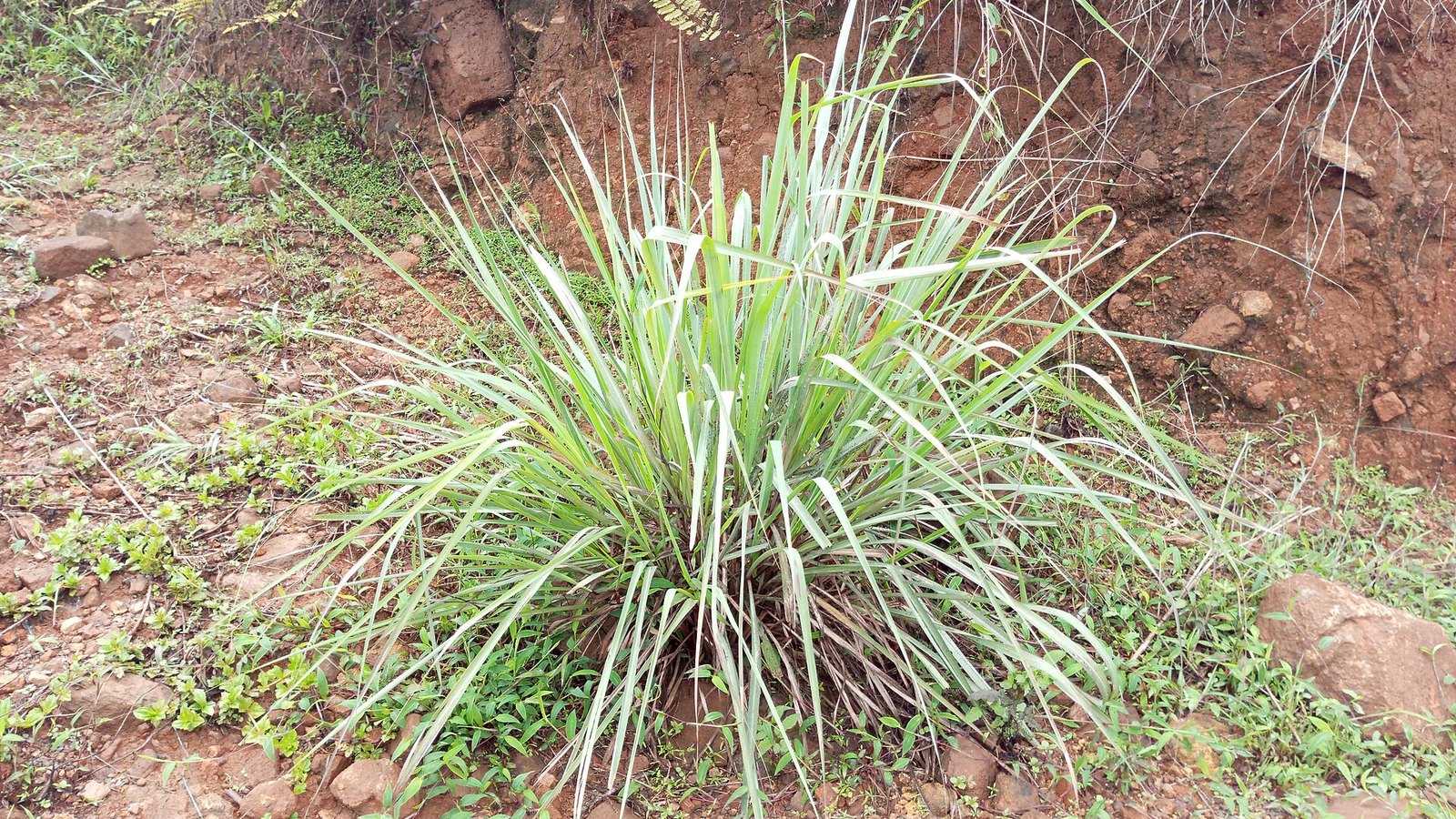
The air is filled with a citrusy and herbaceous fragrance, an aroma that evokes sun-drenched fields and exotic kitchens. This is how Cymbopogon citratus, commonly known as lemongrass or lemon herb, presents itself—a plant that has transcended borders due to its unique aromatic profile and its presence in various cultures. Native to tropical regions of Asia, especially India and Sri Lanka, lemongrass has been valued for centuries not only for its culinary contributions but also for its role in traditional wellness practices.
Its name, Cymbopogon, derives from the Greek kymbe (boat) and pogon (beard), an allusion to the shape of its floral spikelets. The addition of "citratus" refers to its unmistakable citrus aroma, which is often compared to lemon, though with more earthy and complex nuances. This perennial herb, which can reach up to 1.5 meters (5 feet) in height, is characterized by its long, sharp, vibrant green leaves that grow in dense clumps.
History and Distribution of Lemongrass
The history of lemongrass is intrinsically linked to ancient Asian civilizations. Botanical evidence and historical records suggest its use in Ayurvedic medicine and Traditional Chinese Medicine for millennia. Explorers and traders traveling the Silk Road and maritime routes contributed to its spread to other parts of the world, including Africa, America, and the Caribbean, where it adapted to new climates and integrated into local customs.
Today, lemongrass is extensively cultivated in tropical and subtropical climates around the globe. Countries such as Thailand, Vietnam, India, Indonesia, and Malaysia are major producers and consumers, where it is a fundamental ingredient in their cuisines and wellness rituals. Its adaptability and ease of cultivation have allowed its presence to become global, even appearing in home gardens in temperate regions during warmer months.
Biochemical Composition and Characteristic Aroma
The distinctive aroma of lemongrass is primarily due to its volatile components, particularly citral. Citral is a terpenoid aldehyde that constitutes approximately 65-85% of lemongrass essential oil and is responsible for its citrus note. In addition to citral, the plant contains other compounds such as myrcene, geraniol, neral, limonene, and farnesol, which contribute to its aromatic profile and botanical properties.
From a plant physiology perspective, these volatile compounds perform various functions in the plant, such as attracting pollinators and defending against herbivores. In the human context, the interaction of these compounds with our olfactory and gustatory receptors is what gives it its culinary value and its use in aromatherapy.
Culinary Uses of Lemongrass
Lemongrass is a staple in Southeast Asian cuisine. Its fibrous stalk, especially the more tender lower part, is used to infuse soups, curries, marinades, and teas with its fresh, citrusy flavor. Some of the best-known preparations that include it are:
- Tom Yum and Tom Kha Gai: Iconic Thai soups where lemongrass is an essential ingredient for their aromatic base.
- Curries: Both in pastes and directly in the stew, it adds a unique depth of flavor.
- Marinades: Used to tenderize meats and poultry, as well as to impart a fresh aroma.
- Teas and Infusions: Leaves and stalks can be infused in hot water to create a comforting and aromatic beverage.
- Desserts and Beverages: In some cultures, it is used to flavor desserts or cocktails, offering a citrusy and herbaceous counterpoint.
For culinary use, the most commonly used part is the base of the stalk, which is lightly bruised or thinly sliced to release its essential oils. The leaves can be used for infusions or to tie herb bundles that are removed before serving.
Traditional and Wellness Applications
Beyond the kitchen, lemongrass has been valued in various wellness traditions. In Ayurvedic medicine, it has been used to balance doshas and in topical preparations. In Traditional Chinese Medicine, it has been employed for its aromatic properties. Lemongrass essential oil is popular in aromatherapy, where it is diffused to create a fresh and stimulating atmosphere, or diluted in carrier oils for massages. Modern research continues to explore the mechanisms behind these traditional applications.
It is important to remember that the use of herbs and essential oils should be done with knowledge and caution. Concentrations and application methods can vary, and it is always advisable to consult a healthcare professional before incorporating new substances into a wellness regimen, especially if there are pre-existing medical conditions or other supplements are being taken.
Cultivation and Sustainability
Lemongrass is a relatively easy plant to grow in suitable climates. It prefers full sun and well-drained soil. Its propagation is commonly done by dividing clumps, making it a sustainable option for home gardens. Its rapid growth and resistance to common pests make it attractive for small- and large-scale agriculture. The demand for lemongrass has increased globally, driving cultivation practices that seek to be more sustainable and environmentally friendly.
Frequently Asked Questions about Lemongrass
Can the entire lemongrass stalk be consumed?
Generally, the lower, more tender part of the stalk is consumed or finely grated. The tougher leaves and the upper part of the stalk are more fibrous and are primarily used to infuse flavor, being removed before serving.
Is lemongrass the same as lemon verbena or lemon balm?
No, although they share a citrus aroma, they are distinct plants. Lemongrass (Cymbopogon citratus) is different from lemon verbena (Aloysia citrodora) and lemon balm (Melissa officinalis). Each has its own botanical and flavor profile.
How is fresh lemongrass stored?
To keep it fresh, the stalk can be wrapped in a damp paper towel and stored in a plastic bag in the refrigerator, where it will last for several weeks. It can also be frozen chopped or in large pieces for prolonged use.
This content is for informational purposes only and does not substitute professional medical advice.
FDA Disclaimer: The U.S. Food and Drug Administration (FDA) does not evaluate dietary supplements or herbs with the same rigor as complements. The information provided here has not been evaluated by the FDA and is not intended to diagnose, treat, cure, or prevent any disease. Always consult a healthcare professional before using any herb or supplement, especially if you have pre-existing medical conditions or are taking other complements.