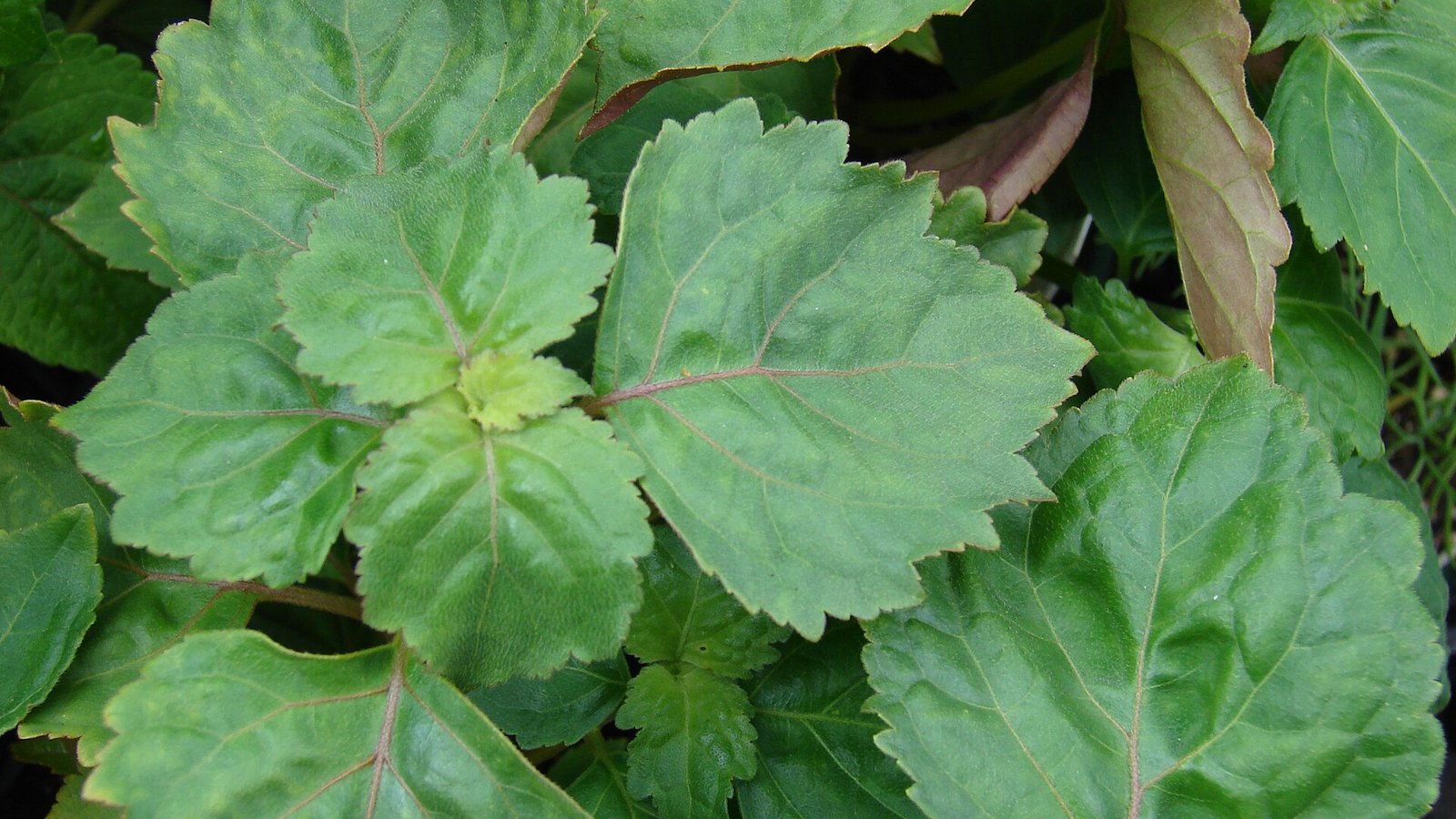
Patchouli, from the genus Pogostemon and native to the tropical regions of Asia, is a plant known primarily for the essential oil extracted from its leaves. Its deep, earthy, and slightly sweet fragrance has left an indelible mark on various cultures and eras. From the Silk Road to the countercultural movements of the 20th century, patchouli has been a constant companion, not only for its aroma but also for the perceptions associated with its potential uses.
Historical and Cultural Origins of Patchouli
The earliest records of patchouli use date back thousands of years in Southeast Asia. In India, China, and Malaysia, dried leaves were used to perfume fabrics, protect clothes from insects, and, in traditional medicine, for various topical applications. Silk Road merchants would wrap their valuable silks with patchouli leaves, not only to protect them from moths but also to impart a distinctive scent associated with the luxury and eccentricity of the East. This early use highlights one of patchouli's most recognized properties: its ability to act as a fixative in fragrances and its possible insect-repelling effect.
In Victorian Europe, patchouli gained popularity through cashmere shawls imported from India, which often came scented with this oil. Its association with the exotic and bohemian solidified, a legacy that would strongly resurface in the 1960s.
Patchouli in Modern Perfumery
One of patchouli's most prominent roles today is its extensive use in the perfumery industry. Its unique aromatic profile makes it a fundamental base note in many compositions. Patchouli essential oil is characterized by its complexity, which evolves over time, becoming smoother and sweeter as it ages. This quality makes it invaluable for:
- Base Notes: Provides depth, warmth, and longevity to fragrances.
- Fixative: Helps other more volatile notes remain on the skin longer.
- Harmonizer: Blends well with a wide range of oils, including citrus, floral, and woody, creating balanced olfactory profiles.
Its distinctive scent can be polarizing; while some find it intoxicating and sensual, others perceive it as too earthy or "heavy." However, its versatility is undeniable, present in everything from opulent oriental perfumes to contemporary chypre and fougère fragrances.
Applications in Aromatherapy and Wellness
In the realm of aromatherapy, patchouli essential oil is valued for its potential effects on mood and overall well-being. Although scientific research is ongoing and inconclusive, patchouli has traditionally been suggested to have properties that may contribute to:
- Relaxation: Its aroma is believed to help calm the mind and reduce feelings of stress.
- Focus: Some people use it to promote concentration and mental clarity.
- Emotional Balance: It is credited with qualities that can help stabilize emotions.
These applications typically involve diffusing the oil into the air, direct inhalation of a few drops, or diluting it in a carrier oil for massage. It is crucial to remember that aromatherapy is a complementary practice and should not replace conventional medical treatments.
Patchouli in Skin and Hair Care
Patchouli has also found its place in personal care formulations. Its properties, while not curative, have been explored in cosmetic products for several reasons:
- Mild Astringent: May contribute to a feeling of cleanliness on the skin.
- Moisturizing: In some formulations, it is included to help maintain skin moisture.
- Antioxidant: Like many plant extracts, it contains compounds that may offer protection against free radicals.
- Natural Aroma: Adds a pleasant fragrance to soaps, lotions, and shampoos.
It is important to properly dilute patchouli essential oil before topical application and to perform a patch test to avoid possible irritation on sensitive skin.
Frequently Asked Questions about Patchouli
1. Is patchouli oil safe to ingest?
No, patchouli essential oil is not intended for internal consumption. Its use is exclusively topical or aromatic. Ingestion can be harmful and should be avoided.
2. How can I identify a good quality patchouli essential oil?
A quality oil is usually amber to dark brown, with medium viscosity. The aroma should be deep, earthy, and sweet, without chemical or strange notes. It is advisable to look for oils from reputable suppliers who specify the botanical origin (Pogostemon cablin) and the extraction method (steam distillation).
3. Does patchouli have side effects?
In general, patchouli essential oil is well-tolerated when used correctly (diluted for topical application or diffused). However, some people may experience skin irritation or sensitization, especially if applied undiluted. A patch test is always recommended. Pregnant or breastfeeding women and individuals with pre-existing medical conditions should consult a healthcare professional before use.
FDA Disclaimer:
The U.S. Food and Drug Administration (FDA) does not evaluate or approve most essential oils for the diagnosis, treatment, cure, or prevention of disease. Statements regarding the benefits of patchouli have not been evaluated by the FDA and are not intended to diagnose, treat, cure, or prevent any disease. This content is informational and does not replace professional medical advice.