DIY Recipes with Lemon Oil: Support for a Natural Shine and Cleaning Without Harsh Chemicals
Oh, my beautiful people, what a great joy, what a sparkling energy I feel being here sharing with you the secrets of natural cleaning and a healthy glow! Imagine for a moment that aroma released from a freshly cut lemon... isn't it a fragrance that instantly evokes the image of cleanliness, of freshness, of a space that breathes calm? Lemon has always been an ally in the home, that companion that can foster a spotless environment. But, be careful! Because often, the products we find in the supermarket only imitate its scent with chemicals, with formulations that, far from purifying, fill our homes with substances we don't want.
Today, my luminous souls, we're going to turn that reality around. Today we are going to rediscover the power of lemon, not just its aroma, but its purest and most concentrated essence. Ready to bring the power of this wonderful fruit directly to your kitchen countertop, to your most cherished furniture, to every corner of your home? Because with Young Living's Lemon essential oil, the promise of a bright, clean, and fresh home becomes possible, without chemicals that tarnish your well-being. Let's give your home that touch of light, that glow it so deserves!
The Power of d-Limonene: The Science Behind a Natural Solvent
To understand what Lemon essential oil offers us, we must look beyond its refreshing aroma and delve into its chemical heart. The main component here is a molecule called d-limonene. This cyclic monoterpene is the primary component of Lemon (Citrus limon) essential oil, typically making up 60% to 75% of its total composition. And it is precisely this high concentration of d-limonene that can make it a potent natural solvent.
But how does this molecular component work? The key lies in its chemical structure. D-limonene is a non-polar compound, which means it has a natural affinity to interact with and help dissolve other non-polar substances, such as fats, oils, waxes, resins, and adhesives. Imagine a molecular party where 'likes' attract: d-limonene binds to fat molecules and can help break them down into smaller, more manageable ones, which can then be easily wiped away with a cloth or water. It's like a magnet for sticky and greasy things.
This mechanism of action can make it very useful for those stubborn glue residues left by labels, gum stuck to surfaces, or that caked-on grease in the oven. Unlike some synthetic solvents, which are often toxic and volatile, d-limonene is biodegradable and offers a more thoughtful and ecological cleaning alternative. Furthermore, scientific studies have explored d-limonene for its potential antioxidant and protective properties, which adds an extra layer of value to this surprising natural compound, far beyond its cleaning capacity. It's science working hand-in-hand with nature to give us solutions that can support cleanliness and well-being.
The Bottle of Essence: 75 Lemons in a 15 ml Bottle from Young Living
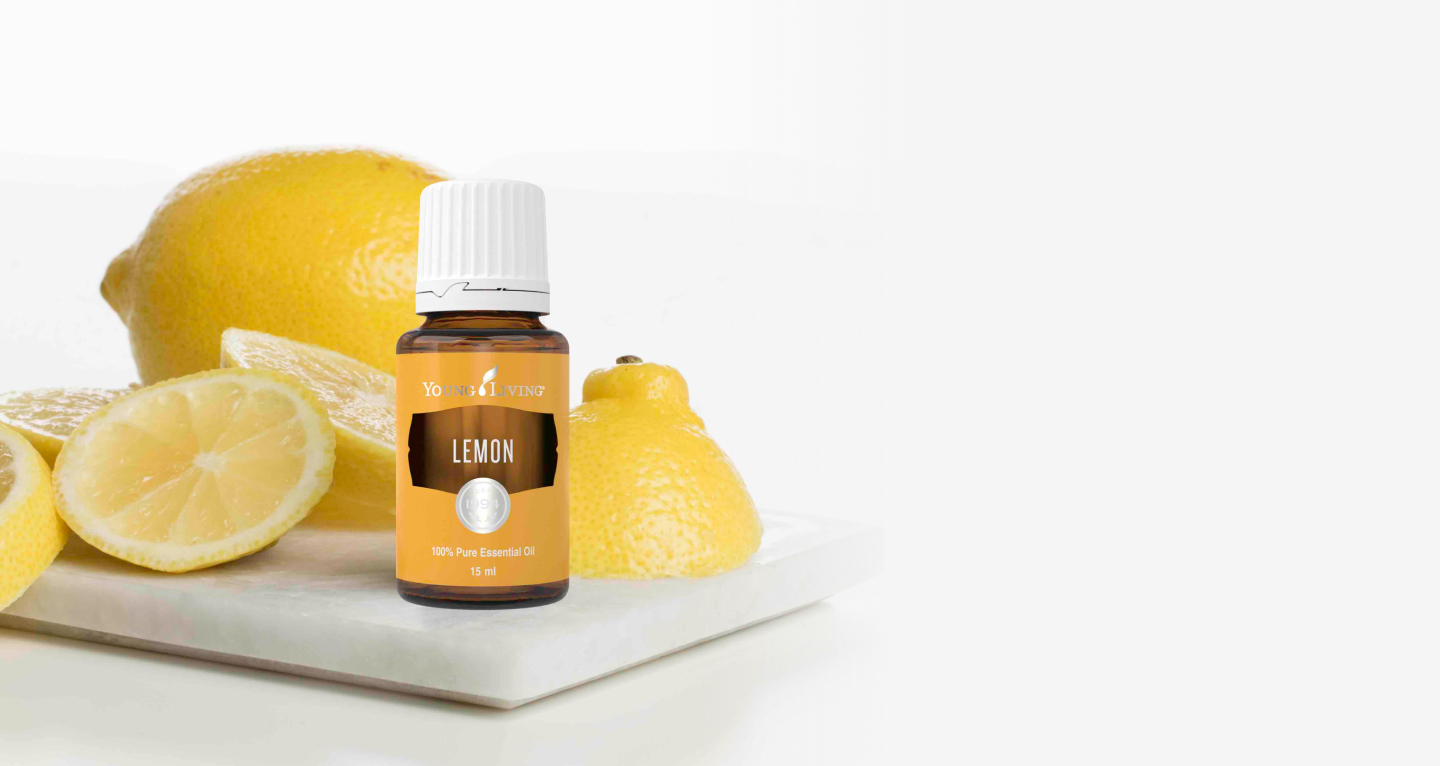
My loves, when we talk about Young Living's Lemon essential oil, we're not talking about just any scent. We're talking about a high concentration of its power. Can you believe it takes approximately 75 lemons! to produce a single 15 ml bottle of this precious oil? Seventy-five fruits, each contributing its peel, which is where most of this d-limonene and other beneficial compounds reside.
This process is not a simple extraction; it's a careful alchemy. Young Living's Lemon essential oil is obtained through a cold-pressing method of the fruit's peel. What does this mean? It means no high temperatures or harsh chemical solvents are used that could degrade the integrity and potency of the active components. It's a mechanical process that extracts the essence of the peel gently and efficiently, ensuring that every drop that reaches your hands retains the cleaning-related properties that nature has bestowed upon it.
And here comes the most important part: the "Seed to Seal" standard. This is Young Living's commitment that can promote maximum quality, from the seed to the final seal of the bottle. Each lemon is grown without pesticides or herbicides, harvested at the optimal time, and processed with the highest quality standards. This means that when you open that little yellow bottle, you are not only releasing a delicious aroma, but you are using a product that can offer purity and is free of adulterants, just as nature intended. It's proof that you are inviting the best that the natural world has to offer into your home for your well-being and that of your home. It's quality you can feel, you can breathe, you can verify.
3 DIY Recipes to Make Your Home Sparkle
And now for the most exciting part, my darlings! It's time to get to work and transform your home with these simple, powerful, and, best of all, completely natural recipes. Forget about harsh chemical products and welcome a shine that is born from the cleaning power of lemon.
Recipe 1: Support for Removing Glue and Labels
Hasn't this happened to all of us? We buy a beautiful jar, a cool new gadget, and when we remove the label, boom! That annoying sticky residue is left behind, which seems impossible to remove. Or even worse, that piece of gum stuck to your shoe or the floor. Don't worry anymore, my queens! Here is a simple solution that can be very effective.
Ingredients:
- 1-2 drops of Young Living Lemon (Citrus limon) Essential Oil
- A clean cotton cloth
Application Instructions:
1. Step 1: Direct application. Put one or two drops of your Young Living Lemon essential oil directly on the glue residue, stubborn label, or gum. Don't overdo it; one or two drops can be enough due to its high concentration of d-limonene.
2. Step 2: Let it sit. Give it a minute to work its magic. This allows the d-limonene to penetrate and begin to help dissolve the adhesive's bond.
3. Step 3: Wipe away. With the clean cotton cloth, gently rub the area. You'll see how the glue dissolves and comes off effortlessly, leaving the surface impeccable and with a delicious clean scent.
Frequency and Duration: Use as needed. Results can be immediate.
Notes: This is very useful on glass, ceramic, metals, and most non-porous hard surfaces. Always do a small patch test in an inconspicuous area if you're unsure about the surface, especially plastics or sensitive painted surfaces, due to the potency of d-limonene.
Recipe 2: Serum for Wood Furniture Maintenance
Our wooden furniture, my beauties, is like skin: it can benefit from nourishment to look healthy and radiant. Tired of those commercial products that leave a sticky residue or an artificial shine? With this recipe, your furniture can regain its vitality, its natural shine, and a soft touch that you'll love. It's like a sunbath for your wood!
| Ingredient | Amount | Function |
|:-------------:|:--------:|:---------------------------------------------------------|
| Olive Oil (extra virgin) | 1 cup (250 ml) | Nourishing, moisturizing, and protective base for wood |
| Young Living Lemon (Citrus limon) Essential Oil | 10-15 drops | Helps dissolve wax/dirt buildup, adds shine, purifying aroma |
Preparation Instructions:
1. Step 1: Combine the ingredients. In a clean, dry, dark glass bottle (remember, always glass!), combine the cup of olive oil with 10-15 drops of Lemon essential oil.
2. Step 2: Mix well. Close the bottle tightly and shake it vigorously for a few seconds to ensure both oils are perfectly integrated.
3. Step 3: Storage. Store this wonderful serum in a cool, dark place to preserve its properties.
Detailed Application Instructions:
1. Step 1: Pre-clean. Make sure the furniture is clean and free of dust. You can wipe it with a damp cloth and then dry it well.
2. Step 2: Application. Pour a small amount of the serum onto a soft, clean cotton cloth.
3. Step 3: Massage. Apply the serum onto the wooden surface, rubbing gently in the direction of the wood grain. Make sure to cover the entire surface.
4. Step 4: Polish. With a clean, dry cloth (or a clean part of the same cloth), rub to polish the wood until it shines and has a soft, non-greasy feel. You'll see how the wood 'absorbs' the nourishing oil and gleams.
Frequency and Duration: Apply this serum every 2-4 weeks or when you notice your wooden furniture starting to lose its shine.
Recipe 3: Paste for Managing Grease on Ovens and Countertops
Oh, the kitchen! The heart of the home where we create delicious things, but also where the most stubborn grease accumulates. The oven, the countertops, the range hood... but you'll see how this dynamic duo can help with the most caked-on grime! The combination of the gentle abrasive power of baking soda and the dissolving effect of d-limonene is very useful.
Ingredients:
- Half a cup (120 g) of Baking Soda
- A splash of Water (approximately 2-3 tablespoons, adjust as needed)
- 10 drops of Young Living Lemon (Citrus limon) Essential Oil
Preparation Instructions:
1. Step 1: Create the paste. In a glass or ceramic bowl, mix the baking soda.
2. Step 2: Add the water. Gradually add the water, stirring with a wooden or silicone spoon, until you get a thick but manageable paste, that's not too runny or too dry.
3. Step 3: Incorporate the Lemon. Add the 10 drops of Lemon essential oil and mix well to fully integrate.
Detailed Application Instructions:
1. Step 1: Apply to the grease. Using a silicone spatula, a wooden utensil, or your own fingers (you can use gloves if you have very sensitive skin), apply a generous layer of the paste over the areas with caked-on grease on the oven, countertops, range hood, or pans.
2. Step 2: Let it work. Patience is key here. Let the paste work for at least 30 minutes. For very stubborn grime, you can leave it for one or two hours, or even overnight if necessary. The baking soda helps to soften the dirt and the lemon can help dissolve the grease.
3. Step 3: Scrub and remove. With a non-abrasive scourer or a soft brush, scrub the surface in circular motions. You'll see how the grease and grime come off easily.
4. Step 4: Rinse and dry. Remove the paste residue with a damp cloth and then go over it with a dry cloth to polish and leave the surface shiny.
Frequency and Duration: Use as needed for deep cleaning of areas with built-up grease.
Golden Rule of Botanical Kitchens: Avoid Plastic
Attention, my dear home alchemists! This is a golden rule that you cannot forget when working with Lemon essential oil, and with citrus oils in general. The power of d-limonene, that natural solvent we so appreciate for its ability to help remove grease and glue, has an essential characteristic: it is so active that it can interact with certain types of plastics and paints.
What does this mean in practice? It means that your wonderful DIY recipes with Lemon oil must always be stored and used in glass (preferably amber or frosted to protect the oil from light) or stainless steel containers.
Why is this so important?
- Plastic Integrity: If you store your Lemon cleaning mixes in plastic bottles, the d-limonene can begin to interact with the plastic over time. This can not only affect the bottle but may also leach plastic microparticles into your cleaning solution, affecting what you're trying to purify.
- Oil Potency: By reacting with plastic, d-limonene can lose some of its effectiveness or be chemically altered, reducing the potency of your cleaning mix.
- Preservation: Dark glass bottles protect essential oils from UV light, which can degrade their compounds and reduce their shelf life.
So, my precious ones, plan ahead. Invest in a few glass spray bottles, glass jars with lids, or stainless steel containers. Not only are they safer and more effective for your citrus oil mixes, but they also look fantastic in any `Clean Girl` aesthetic kitchen! It's a small investment that can make a big difference in the use and effectiveness of your botanical cleaning.
Other Ways to Complement Your Daily Life with Lemon
Young Living's Lemon essential oil, my jewels, isn't just an ally for deep cleaning. Its versatility is so vast that it can complement many other aspects of your daily life. Let me tell you about other simple and pleasant ways to integrate this gift of nature into your home and your well-being:
- Shine in the Dishwasher: Want your glasses and dishes to come out of the dishwasher with a good shine, without water spots, and with a fresh scent? Add 2-3 drops of Lemon essential oil to the rinse aid compartment along with your usual detergent. It can help dissolve lime scale residues and leave a fresher fragrance.
- Natural Air Freshener: To start the day with high spirits and fresh air, diffuse 5-8 drops of Lemon essential oil in your favorite diffuser. Its uplifting and potentially purifying aroma elevates the spirit, can help dissipate stagnant odors, and creates an atmosphere of optimism and energy.
- Support for Odor Control in Trash Cans: The trash can, oh, that corner! After cleaning it, put 2-3 drops of Lemon on a cotton ball and leave it at the bottom of the can before putting in the bag. It can help neutralize bad odors and maintain a fresher environment.
- Laundry Refresher: When washing clothes, especially towels or athletic wear that sometimes retain odors, add 2-3 drops of Lemon to your wash cycle (you can put it directly in the detergent compartment or on a wool dryer ball). The laundry can come out with a fresh and revitalizing scent.
- Glass Cleaner with a Shiny Finish: For streak-free, chemical-free windows, mirrors, and shiny surfaces, add 10-15 drops of Lemon essential oil to a glass spray bottle with 16 oz (500 ml) of distilled water and a splash of white vinegar. Shake and spray, then wipe with a microfiber cloth. The shine can be exceptional!
As you can see, Lemon essential oil is a treasure at home, a versatile ally for keeping everything impeccable, fresh, and full of that positive energy that only pure nature can provide.
Frequently Asked Questions (FAQ)
Can I use lemon oil to clean wood floors?
Yes, you can, but with caution. For sealed wood floors, you can add 5-10 drops of Lemon essential oil to a bucket of warm water with a splash of neutral soap. Mop with a well-wrung mop. However, it's not recommended to use it pure or in large quantities on unsealed or very porous wood floors, as it could affect the finish. Always perform a test on a discreet area first.
Can lemon oil help remove stains from clothing?
Lemon (Citrus limon) essential oil can be useful for greasy stains, ink, gum, or adhesive residues on clothing. For localized stains, apply 1-2 drops onto the stain (never on delicate fabrics or silk directly without testing) and let it sit for a few minutes before washing as usual. The active components in lemon can help dissolve oily substances. Always test on an inconspicuous area first to ensure it doesn't discolor the fabric.
Why use glass containers for lemon oil?
It is essential to use glass (preferably dark) or stainless steel containers to store cleaning products containing Lemon essential oil. This is because d-limonene, the main active component of lemon, is a potent solvent that can interact with certain types of plastic over time, leaching microparticles into your solution and potentially reducing the essential oil's effectiveness. Glass helps maintain the integrity of the product and the cleanliness of your mixes.
Is Lemon essential oil suitable for cleaning kitchen surfaces where food is prepared?
Yes, Young Living Lemon essential oil is suitable for cleaning kitchen surfaces. Given its Seed to Seal purity and lack of toxic residues, it can be an excellent alternative to chemical cleaners. For food preparation surfaces, dilute it in water (e.g., 10-15 drops in 16 oz/500 ml of water in a glass spray bottle) and spray. It is always recommended to wipe the surface dry after cleaning.
Do I need to dilute Lemon essential oil for cleaning?
For most general cleaning uses, such as for surfaces, floors, or air fresheners, it is recommended to dilute Lemon essential oil to optimize product use and ensure even distribution. The recipes provided in this guide already account for proper dilutions. However, for very localized spots or persistent glue residues, a direct application (1-2 drops) can be an effective strategy, followed by subsequent cleaning.
Conclusion: A Shine Born from Nature
And so we reach the end of this olfactory and cleaning journey, my luminous souls! We have walked the path together towards a brighter, purer home, with fewer harsh chemicals and filled with that revitalizing energy that only Mother Nature can offer. We have discovered the science behind d-limonene, we have learned about the concentration of 75 lemons in a single bottle from Young Living, and we have created recipes that, I am sure, will become your most cherished allies.
It's time to feel the power in your hands, to consider alternatives to those synthetic degreasers, to restore the natural light to your wooden furniture, and to embrace a cleaning that nourishes, that can contribute to purification, that uplifts. The aroma of Lemon essential oil is not just a fragrance; it's a reminder that purity, effectiveness, and beauty can go hand in hand, without compromising your health or that of your family.
So, my beauties, I invite you to take the step, to experience this capacity for yourselves. Discover the purity of Young Living's Lemon essential oil and transform every corner of your home into a space of shine, freshness, and vitality. Your home and your well-being will thank you for it!
This information is for educational purposes and does not substitute for professional medical advice. Consult with your healthcare professional before starting any supplementation.