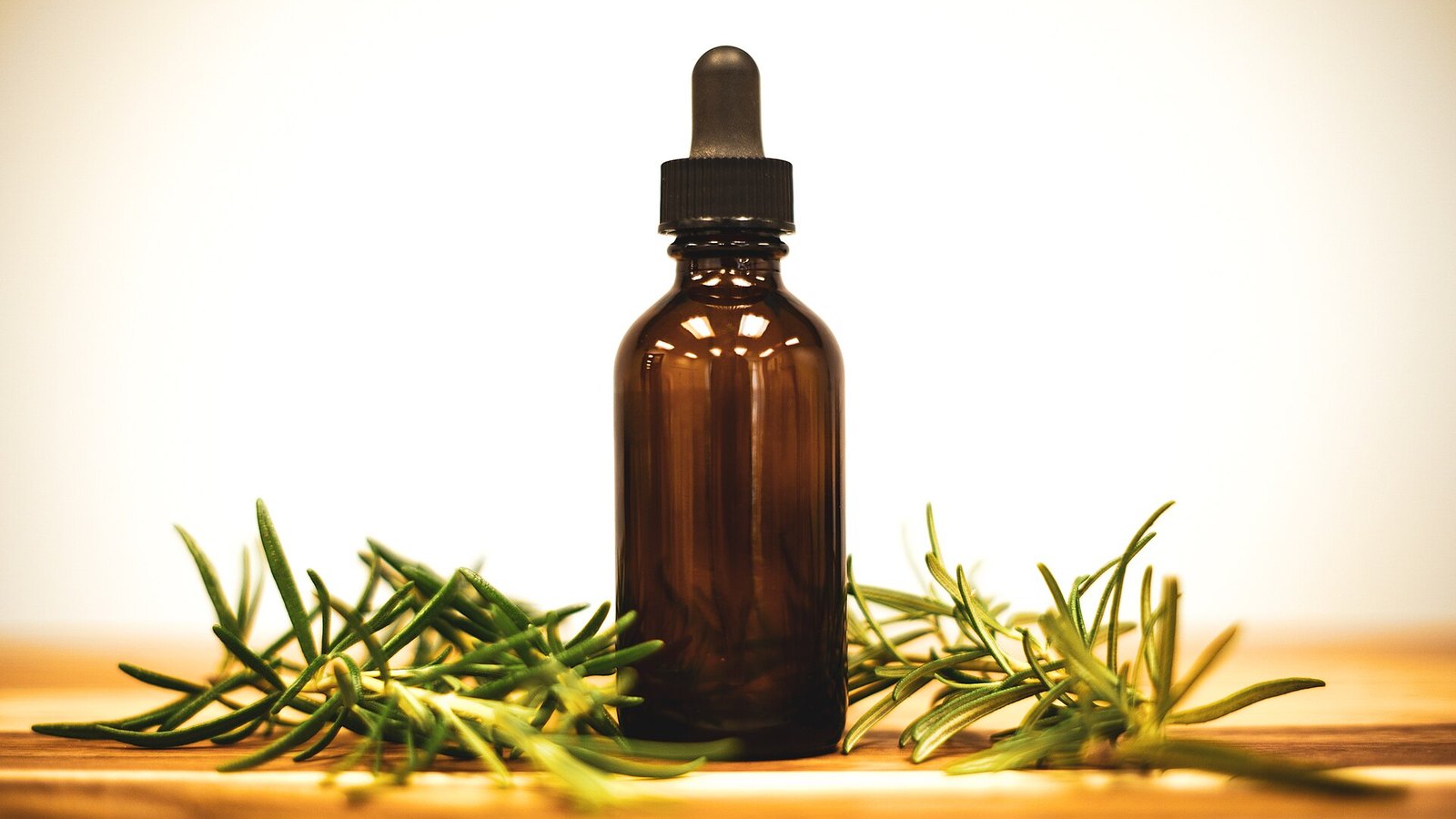
The plant kingdom, with its vast chemical diversity, offers us a treasure in the form of essential oils. These volatile substances, extracted from plants, are known for their aromatic profiles and diverse properties. However, the true art and science behind their application often reside in the concept of synergy. Synergy, from the Greek synergia (working together), refers to the interaction of two or more elements that, when combined, produce a combined effect greater than or different from what they would produce acting independently.
Understanding Synergy in Essential Oils
In the context of essential oils, synergy involves the careful blending of different oils to enhance certain properties, mitigate others, or create an entirely new effect. Each essential oil is a complex matrix of hundreds of chemical compounds (terpenes, esters, aldehydes, ketones, etc.). When combined, these compounds interact with each other. For example, one oil may contain a compound that improves the absorption of another, or their chemical profiles may complement each other to address a specific goal more comprehensively.
The formulation of synergies is not merely a matter of mixing pleasant aromas, although the olfactory aspect is undeniably important. It is based on an understanding of the chemistry of each oil and its known mechanisms of action. Historically, many cultures have used plant blends for their combined effects, a practice that predates modern essential oil distillation but shares the same underlying philosophy: nature offers complex solutions that often work better together.
Principles for Creating Effective Synergies
Creating effective synergies requires a methodical approach and a basic understanding of essential oils. Here are some key principles:
- Know Individual Profiles: Before blending, it is essential to understand the properties and dominant chemical components of each essential oil. An oil rich in monoterpenes may have stimulating properties, while one with esters may be more calming.
- Clear Objective: What is the goal of the synergy? A relaxing aroma? An energizing atmosphere? A skin care blend? Defining the objective helps in selecting the appropriate oils.
- Chemical Complementarity: Look for oils whose chemical components complement each other. For example, an oil with refreshing properties can be balanced with one with warm properties. Some compounds can act as "enhancers," improving the efficacy of others.
- Aromatic Notes: Consider the aromatic notes (top, middle, base) to create a balanced and pleasing blend. Top notes are volatile and evaporate quickly; middle notes give body to the aroma; and base notes are persistent and fix the blend.
- Proportions: Proportions are crucial. Often, a few drops of a potent oil can significantly influence the synergy. There is no single rule, but starting with low proportions and adjusting is good practice.
Common Applications of Synergies
Essential oil synergies are used in a variety of contexts, always with a focus on general well-being and complementary support. Some applications include:
- Emotional Well-being: Blends designed to promote relaxation (lavender, bergamot, frankincense), concentration (rosemary, lemon, peppermint), or mood upliftment (orange, geranium).
- Personal Care: Synergies for skin care (tea tree, lavender, frankincense), hair care, or massage (marjoram, ginger, lavender).
- Environment: Diffusing blends to purify the air (eucalyptus, lemon, pine) or create a cozy ambiance (cinnamon, orange, clove).
It is important to remember that the use of essential oils, even in synergies, must be done with caution. Proper dilution in a carrier oil (such as jojoba, almond, or coconut) is essential for topical application, and a skin patch test is recommended to detect possible sensitivities.
Safety and Quality Considerations
The quality of essential oils is a fundamental pillar for the safety and effectiveness of any synergy. Pure oils from reliable sources and properly stored are preferable. It is crucial to avoid ingestion unless under the supervision of a qualified healthcare professional, and dilution recommendations should always be followed to avoid irritation or adverse reactions.
Research on specific chemical interactions in essential oil synergies is constantly evolving. While empirical experience has guided much of their use, modern science seeks to unravel the precise mechanisms at the molecular level. This field promises to continue revealing the complexity and potential of these aromatic wonders.
Frequently Asked Questions about Essential Oil Synergies
1. How many essential oils can be combined in a synergy?
There is no fixed number. Often, 2 to 5 oils are sufficient to create a complex and effective synergy. More oils can complicate the blend and dilute the desired effects.
2. How do I know which oils blend well together?
In addition to considering their chemistry and properties, aromatic "notes" (top, middle, base) can be used as a guide. There are also compatibility charts and resources that suggest common combinations.
3. Is it safe to apply synergies directly to the skin?
Generally no. Most essential oil synergies must be diluted in a carrier oil (such as fractionated coconut oil, jojoba, or almond) before topical application to avoid skin irritation. Always perform a patch test.
This content is for informational purposes only and does not substitute professional medical advice.
FDA Disclaimer:
These statements have not been evaluated by the Food and Drug Administration (FDA). This product is not intended to diagnose, treat, cure, or prevent any disease.