"Vegan" and "cruelty-free" are not synonyms, and almost no essential oil catalog is 100% both. This guide explains what each term means, what Young Living declares, and how to verify it product by product before purchasing.
Vegan and Cruelty-Free Are Not the Same
Vegan refers to the composition: no animal-derived ingredients. Cruelty-free refers to the method: no animal testing is performed on the product or its ingredients.
A product can be cruelty-free and not vegan (for example, if it contains beeswax or honey), and theoretically, it could be vegan without being cruelty-free.
What the Brand Declares
According to Young Living's stated information, the brand does not perform animal testing on its finished products, and pure, single-plant essential oils are, by definition, 100% plant-derived.
What does contain animal-derived ingredients in some catalog references: beeswax in lip balms and some creams, honey in certain products, lanolin, marine collagen, and gelatin in some capsule supplements.
How to Check It Yourself in Three Steps
- Read the full INCI list. Look for cera alba (beeswax), mel (honey), lanolin, carmine, or gelatin.
- Check the capsule in supplements: if it doesn't state "vegetable capsule," it's usually gelatin.
- Ask before buying if the listing is not complete on the product page.
Catalog References That Are Plant-Based by Composition
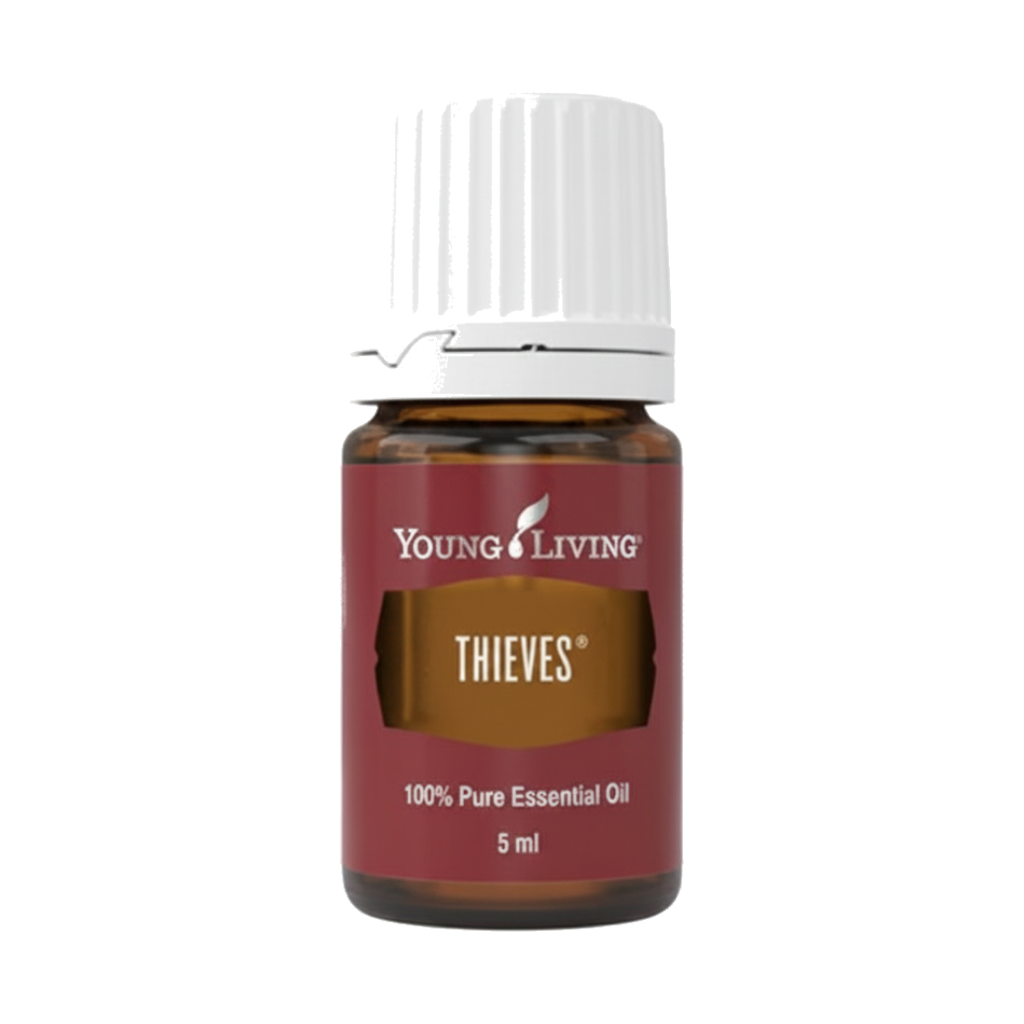
Pure essential oils do not contain animal ingredients. For example, Thieves Essential Oil or Lavender Essential Oil. The same applies to vegetable carrier oils like V-6 Enhanced Vegetable Oil Complex.
European Regulation
In the European Union, it has been prohibited since 2013 to market cosmetics tested on animals, both the final product and its ingredients. This means that any cosmetic legally sold in the EU meets this condition, regardless of the brand.
Frequently Asked Questions
Are all essential oils vegan?
Pure essential oils are: they are distilled from plant material. Fatty-based blends or formulated products may incorporate animal ingredients.
Is the "cruelty-free" seal mandatory?
No. It is a voluntary certification from private organizations. Its absence does not imply that animal testing is conducted.
How do I know if a capsule is vegetable?
The label should indicate it (HPMC or cellulose). If it only says "capsule," consult the full product information.
Information attributed to what the brand declares. ESSENIQ are authorized Young Living advisors and distributors. This content is for informational purposes only and does not substitute for the advice of a healthcare professional.